
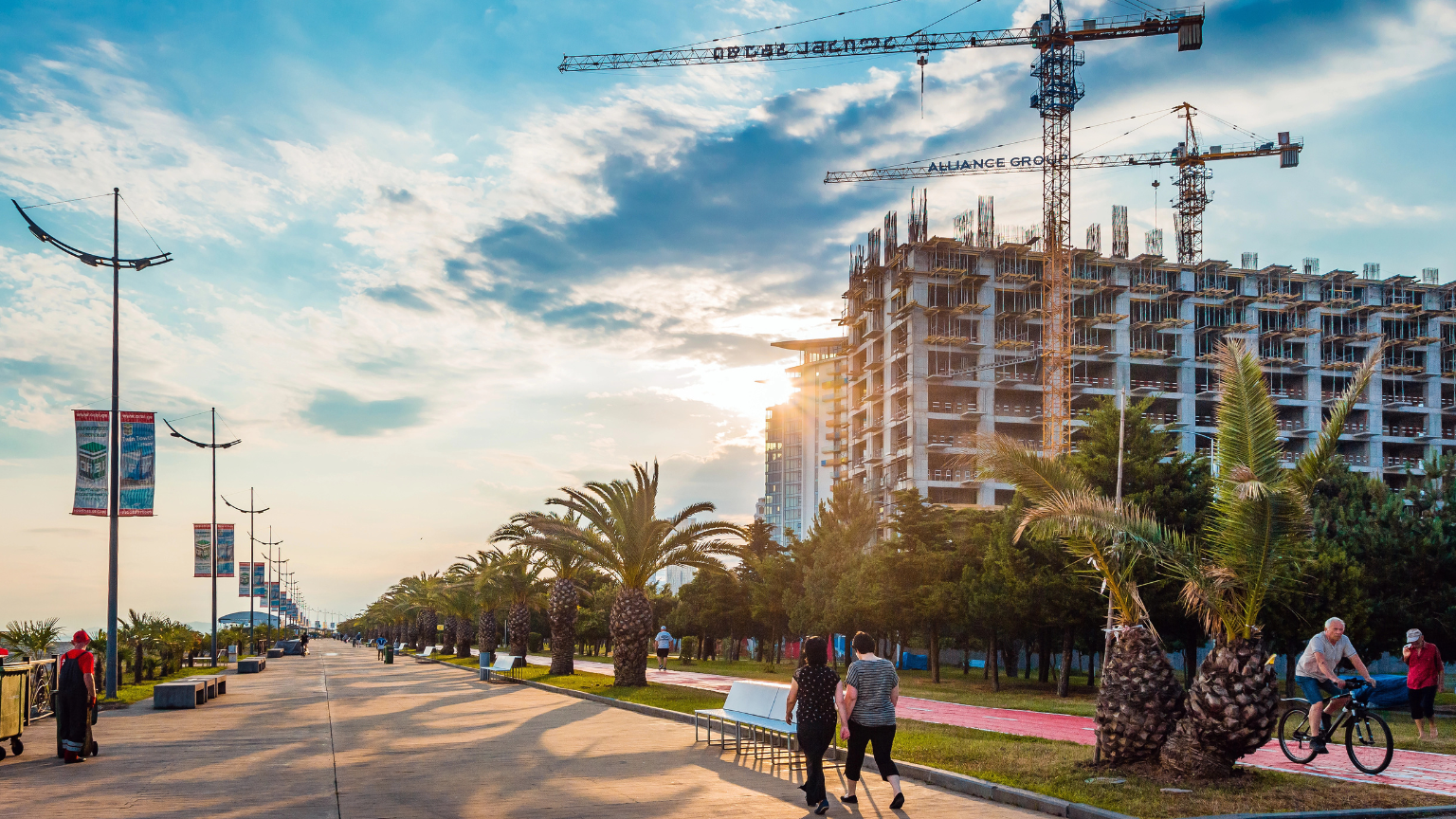

There is something almost secret about a city at 6 A.M. Most people never see it. They are still in bed, half awake over hotel breakfast, or scrolling their phones before the real day begins. Step outside at that hour, though, and you realize the city has already been awake for a while. The lights are on in bakery kitchens, delivery trucks are idling at the curb, and street sweepers are doing their best to erase last night.
A 6 A.M. walk is like peeking backstage before the curtains rise. The tourist version of the city has not arrived yet. What you see instead is how the place actually works.
Why 6 A.M. Is The City’s Truth Serum
In the middle of the day, cities perform. Cafes put out chalkboard signs, souvenir shops drag racks onto the sidewalk, and restaurants queue up lunchtime specials. People dress for the part they want to play, whether that is sleek business traveler or perfectly styled tourist.
At 6 A.M., the performance is not ready yet. The city is running on its base layer. You see who has to be up first just to make the eight o’clock world possible. Bakers hauling trays of warm bread. Cleaners unlocking office towers. Transit workers checking buses and trains before the first rush of commuters.
This is when you notice what kind of city you are really visiting. Is it a place that wakes up slowly, with lights flickering on one by one, or does it already feel like it is halfway through the day? Does the morning smell like fresh bread, wet pavement, salt air, or exhaust? That first quiet hour answers more questions than any city guide ever will.
The Soundtrack Before The Noise
At 6 A.M., the soundtrack of the city is completely different from what you hear even two hours later.
There might be the soft hiss of street sweepers, the clink of glass bottles being sorted behind a bar, or the rattle of metal shutters being pulled halfway open. Birds are often louder than cars. You pick up snippets of conversation from people who work early shifts, talking about real life instead of pointing at maps and menus.
This stripped down soundscape tells you how intense the city really is. In some places you notice how peaceful it can be once the traffic thins and the nightlife goes quiet. In others, you realize the city never truly sleeps, it only dips down a notch before the next wave of buses, horns, and sirens.
That early walk also gives you a better read on how safe you feel, how easy it is to cross streets, and whether sidewalks are made for walking or simply leftover space between buildings and traffic.
The Invisible Workers Who Keep Everything Running
If you want to understand any city, watch who is working while most people are still hitting snooze.
You see hotel staff stepping out for a quick breath of air after the night shift. You see garbage collectors and recycling crews doing the unglamorous work that keeps streets from turning into chaos. You see grocery workers rolling out pallets of produce, cafes receiving crates of milk and coffee, and delivery drivers zigzagging from one storefront to the next.
These are the people who make the “nice” version of the city possible later in the day. The clean tables. The stocked shelves. The empty trash cans. A 6 A.M. walk reminds you that the photo ready version of the city is built on thousands of small tasks done by people you might never see otherwise. It adds a layer of respect to the way you move through the day.
Neighborhoods Without Their Makeup On
Tourist districts often look polished and packaged by midday, but early morning reveals what is real and what is staged.
In some historic centers, you can see which streets actually belong to locals by who is outside at dawn. You might find an older neighbor watering plants on a balcony, a parent walking a dog before the school run, or a cyclist in a work uniform grabbing a quick coffee at a tiny bar. Take a turn onto a different block and you may discover that every single window above a shop is dark because there is no one living there at all, just short term rentals and empty offices.
You also see which businesses are built for residents and which ones are pure theater. The bakery with a line of people in work clothes is real. The souvenir shop with the lights still off is waiting for a different crowd. A 6 A.M. walk quietly sketches the border between a living neighborhood and a stage set, even when they occupy the same few streets.
How Seasons and Weather Change the Story
The same city can tell you a different story at 6 A.M. depending on the time of year. In winter, you might walk under a dark sky dotted with the warm glow of apartment windows, seeing the city stretch itself awake in the cold. In summer, you could find joggers already circling parks at first light to beat the heat, with soft pink light catching the tops of buildings.
Rainy mornings show you another side again. People hurry along under umbrellas, street reflections double the glow of traffic lights, and the few open cafes become cozy little refuges. In coastal cities, you might smell sea air more strongly, hear waves against a sea wall, or spot fishing boats heading out before breakfast.
Because 6 A.M. is so quiet, you notice these seasonal details more sharply. They color your impression of the city far more than a midday traffic jam or a crowded lunch spot ever could.
Small Moments You Would Miss Later
A lot of the charm of an early walk comes down to tiny, almost throwaway moments you would never see if you stayed in bed.
You might see a street vendor setting up their cart with slow, practiced movements, arranging fruit or pastries one by one before the first customers appear. You might watch a pair of kids in school uniforms share headphones on a tram, clearly half asleep but already laughing. You might see an older couple walking in comfortable silence, clearly following a routine they have kept for years.
These little scenes do not make it into travel brochures, but they are what make a city feel human. At 6 A.M., you have the time and space to notice them.
The Way a City Handles Quiet Says A Lot About It
Some cities lean into early morning calm. They keep night noise regulations strict, maintain clean sidewalks, and invest in parks that actually feel safe and peaceful at dawn. Walking through these places at 6 A.M. feels like stepping into a well kept secret, and you can see why locals are proud of where they live.
Others feel more frayed. You might pass overflowing trash bags that never made it to collection, broken bottles near club districts, or public spaces that no longer feel welcoming once the crowds are gone. It does not mean the city is not worth visiting, but it gives you a more honest picture of the challenges people who live there deal with every day.
That honesty can change how you travel. You become more aware of your own impact, more willing to support local businesses doing the right thing, and more interested in how the city is trying to evolve.
How To Take Your Own 6 A.M. Walk
You do not need to be an extreme morning person to try this, but a little preparation helps. Set out clothes the night before so you can roll out of bed and be out the door in a few minutes. Choose a route that feels safe and simple, ideally looping past a main street, a residential area, and some kind of public space like a park or square.
Leave your headphones in your pocket for at least part of the walk so you can actually hear the city waking up. Stop at a local cafe that is open early and watch who comes through the door. Notice the pace people move at, the way they greet the staff, and what they order. This one small ritual can tell you more about a place than an entire afternoon of rushed sightseeing.
Of course, pay attention to your own safety. Stick to well lit areas, trust your instincts, and if a street feels off, turn around and choose another direction. The goal is to see a softer, more honest side of the city, not to test your luck.
Why This Simple Habit Changes How You Travel
Once you get in the habit of taking a 6 A.M. walk, it can be hard to stop. You start to crave that quiet hour where no one needs anything from you and the city does not yet expect you to be a tourist. It becomes a kind of travel meditation, a way to drop into the real rhythm of a place before the day fills up.
You will still visit museums, viewpoints, and famous landmarks. You will still take photos and eat at buzzy restaurants. But underneath all of that, you will carry a different understanding of the city, built on those early morning observations.
You will know which streets belong to locals before the crowds arrive, which cafes hold the city’s true heartbeat, and how the place feels when it is not performing for anyone. And once you have seen that side of a city, it is very hard to see it as just another stop on a long list ever again.
Follow us on MSN for all your travel and lifestyle tips.
This article was written by Hunter and edited with AI Assistance