
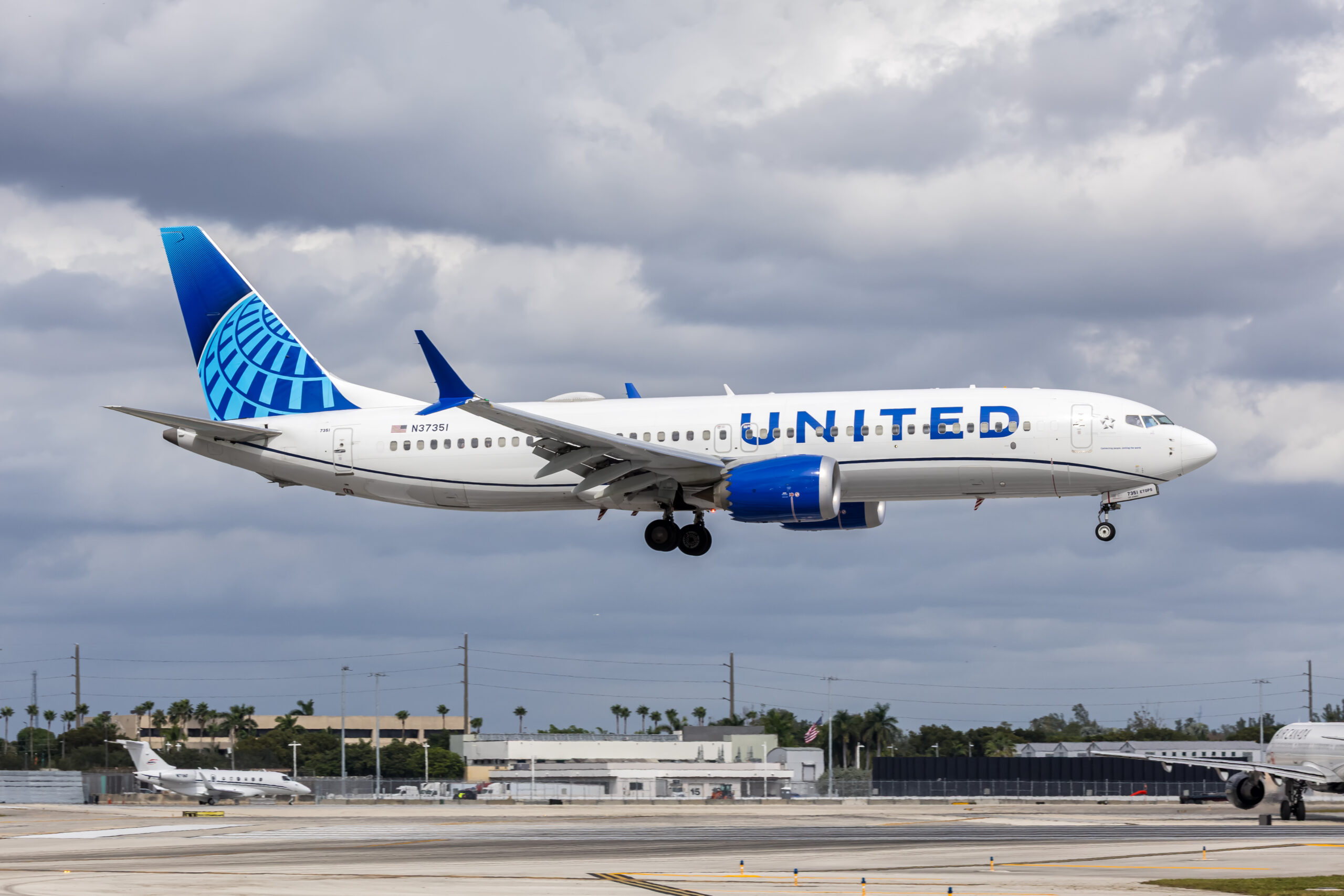

What does this mean for your next trip? It means the era of listening to videos or music on speaker is officially over. United Airlines has updated its passenger policies to address one of the most common grievances in modern air travel: the use of electronic device speakers within the cabin. The carrier now explicitly requires all travelers to use headphones when engaging with audio or video content. This policy change provides the airline with the legal authority to remove passengers from a flight or refuse them future transportation should they fail to comply with the directive.
The Legal Framework of Rule 21
This adjustment was not merely an informal suggestion but a formal amendment to United’s Contract of Carriage, which serves as the legally binding agreement between the airline and its ticket holders. Specifically, the change was integrated into Rule 21, titled Refusal of Transport. This update was first identified by travel industry observer Gino Bertuccio and subsequently reported by the aviation news site One Mile At A Time.
United has categorized the new mandate under Section H, Item 22, which is situated within the Safety clause of the contract. This section empowers United Airlines to refuse transport or remove a passenger whenever such an action is deemed necessary for the safety of that passenger, other travelers, or members of the flight crew. By classifying noise etiquette as a safety issue, the airline provides its staff with broader leverage to enforce cabin decorum.
Passenger Sentiment and Social Friction
The decision by United Airlines aligns with a growing consensus among the traveling public regarding acceptable cabin behavior. A survey of 1,000 North American adults conducted for Kayak revealed that 70 percent of travelers believe that watching content without headphones should be strictly prohibited. While many passengers view the use of external speakers as a significant nuisance, the aviation industry increasingly views these disruptions as a potential catalyst for cabin conflict and air rage.
The 2026 Regulatory Landscape
The implementation of this rule comes during a period of increased oversight by the Federal Aviation Administration (FAA). According to a March 2026 report, the FAA has already recorded 235 reports of unruly passengers in the first two months of the year alone. The report highlights that 200,000 dollars in total fines have been issued against non-compliant passengers so far this year, with 14 formal investigations and 12 enforcement actions already in progress.
While the FAA noted that the rate of incidents has declined since the record highs of 2021, the recent uptick in early 2026 underscores an ongoing challenge for flight crews. The federal body has reiterated that threatening or violent behavior can lead to a felony conviction and a referral to the Federal Bureau of Investigation (FBI).
Enforcement and Financial Penalties
Passengers should be aware that the legal and financial consequences of non-compliance are significant. Beyond being removed from a United Airlines flight and potentially facing a permanent ban from the carrier, the FAA has the authority to propose civil penalties of up to 43,658 dollars per violation. In the current aviation environment, a single incident can lead to multiple fines and federal criminal charges. By formalizing headphone use as a contractual obligation, United Airlines is providing its staff with the necessary tools to intervene early in potential conflicts, ensuring cabin order and the safety of all those on board.