

Ever get that feeling that cleanliness flies out the window as soon as you board a plane? With recycled air and tight quarters, it’s easy for germs to spread unnoticed. From the moment you sit down, you’re surrounded by surfaces touched by countless hands-many far from spotless.
Have you ever noticed how hygiene rules seem to disappear the second you board a plane? The cramped environment and recycled air turn everyone into unwitting carriers of germs. As soon as you fasten your seatbelt, you’re amidst surfaces that get touched more than at a high-five marathon-tray tables, for instance, have been found to harbor bacteria levels even higher than toilet flush handles.
Seatback Storage Pockets: A Hidden Bacteria Haven
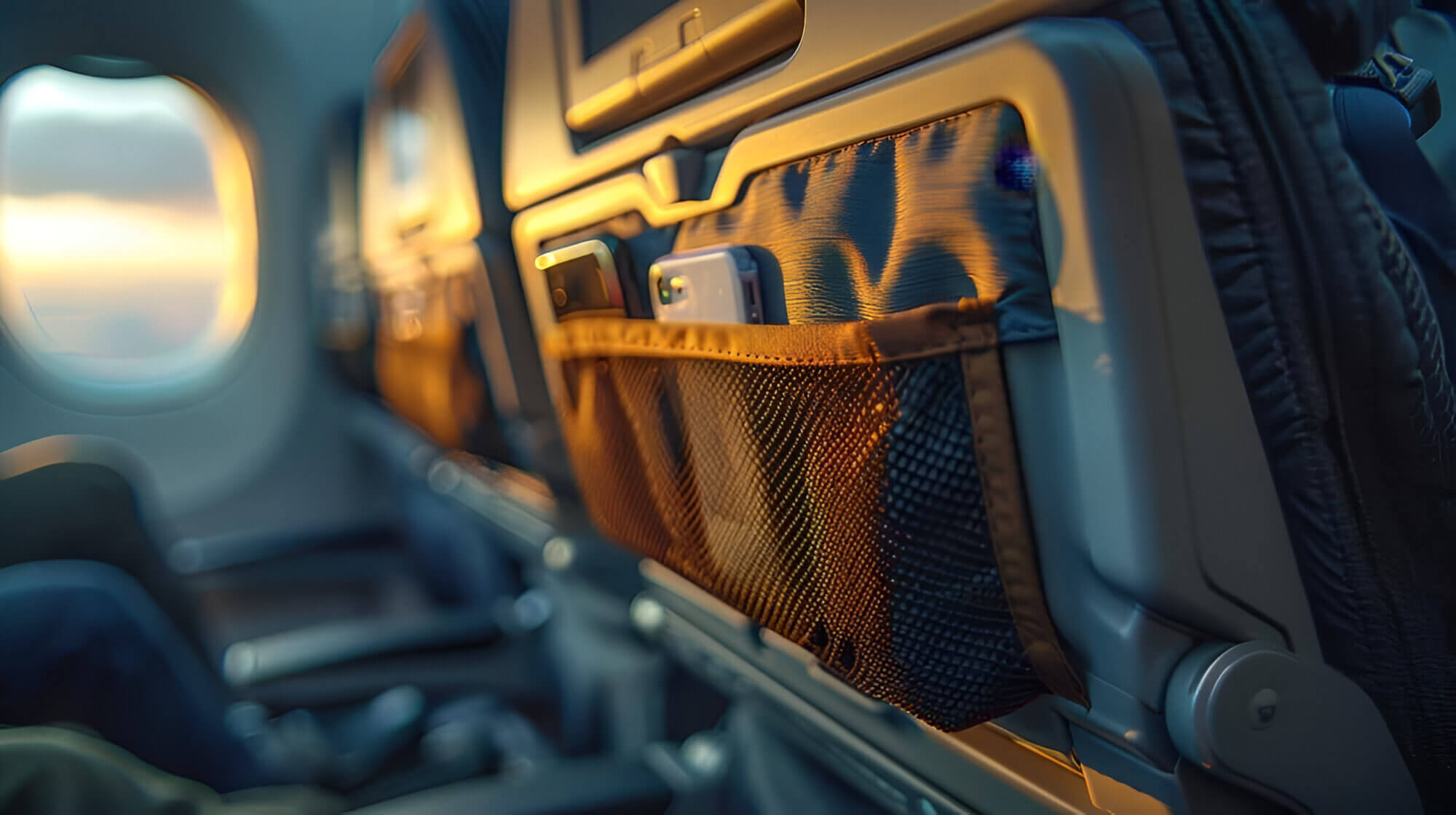
Those pockets behind your seat might seem harmless, but they can harbor some nasty germs. Studies have uncovered bacteria like E. coli and mold lurking inside. Flight attendants report finding all kinds of discarded items-from used tissues to dirty diapers-left behind by careless passengers. To minimize risk, it’s best to avoid stashing your personal belongings there during your flight.
Tray Tables: Germ Hotspots at Your Fingertips
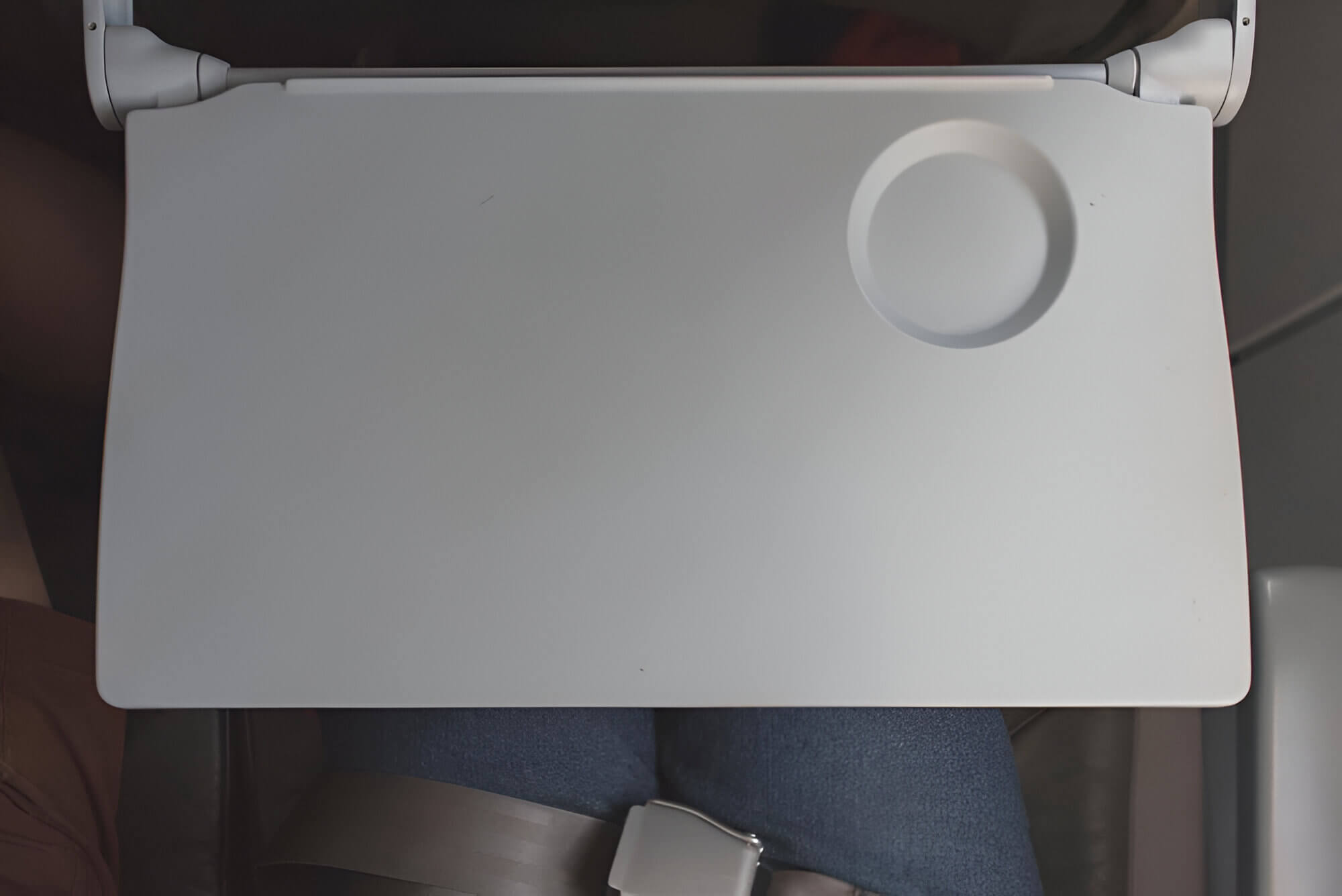
Tray tables rank among the most contaminated spots on a plane. Research shows they can host over 2,000 bacterial colonies per square inch-far surpassing the average home toilet seat. This happens because they’re rarely cleaned between flights and get used for eating, working, and sometimes even diaper changes. To stay safe, give your tray table a good wipe with disinfecting wipes before using it.
Lavatory Door Handles: Germy Touchpoints
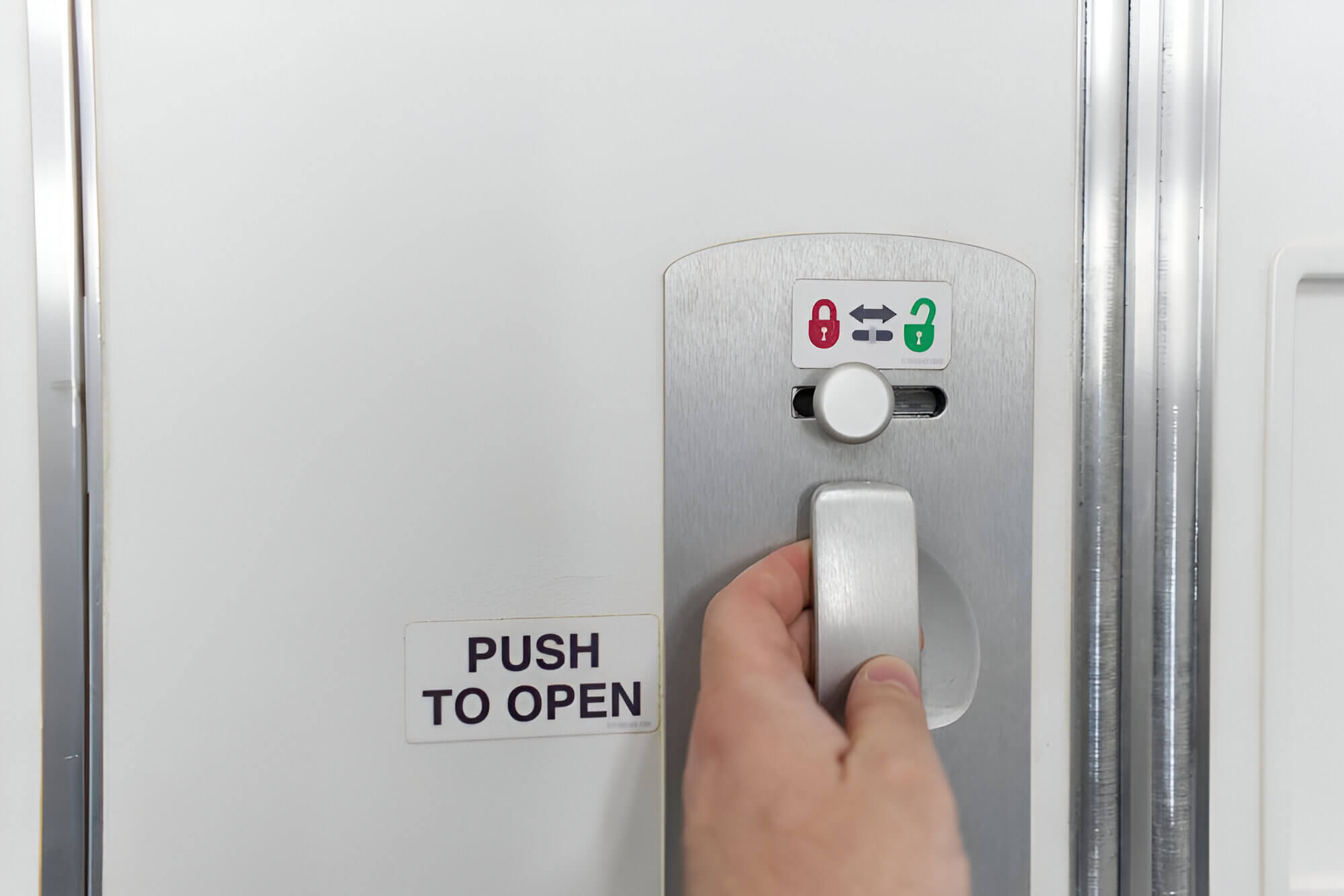
The handles on airplane bathroom doors are notorious for being packed with bacteria, including fecal coliforms. Since many passengers skip proper handwashing, these frequently touched surfaces become germ magnets. The cramped, high-traffic lavatories only worsen the problem. To cut down your exposure, try to grab the door using a tissue or paper towel, and sanitize your hands immediately after.
Toilet Flush Buttons: A Bacterial Breeding Ground
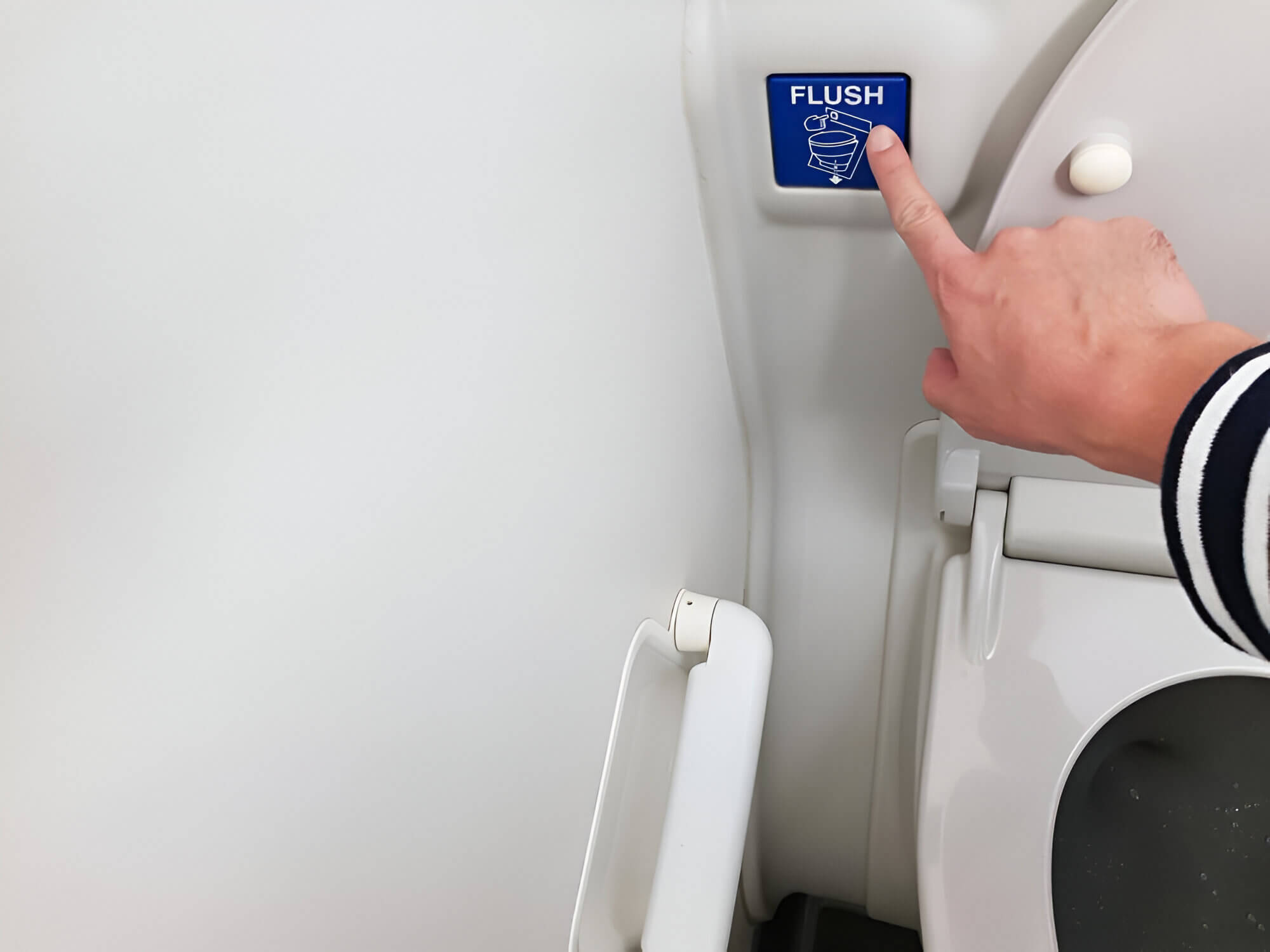
Flush buttons in airplane bathrooms are among the filthiest spots you’ll encounter. Countless travelers press them, often without washing their hands, leaving behind a cocktail of germs. To protect yourself, always wash your hands thoroughly after using the restroom and consider using a napkin or tissue to press the flush button. Following these simple steps can greatly reduce your risk of picking up unwanted bugs while flying.
Safety Instruction Cards: Germ-Carrying Paperwork
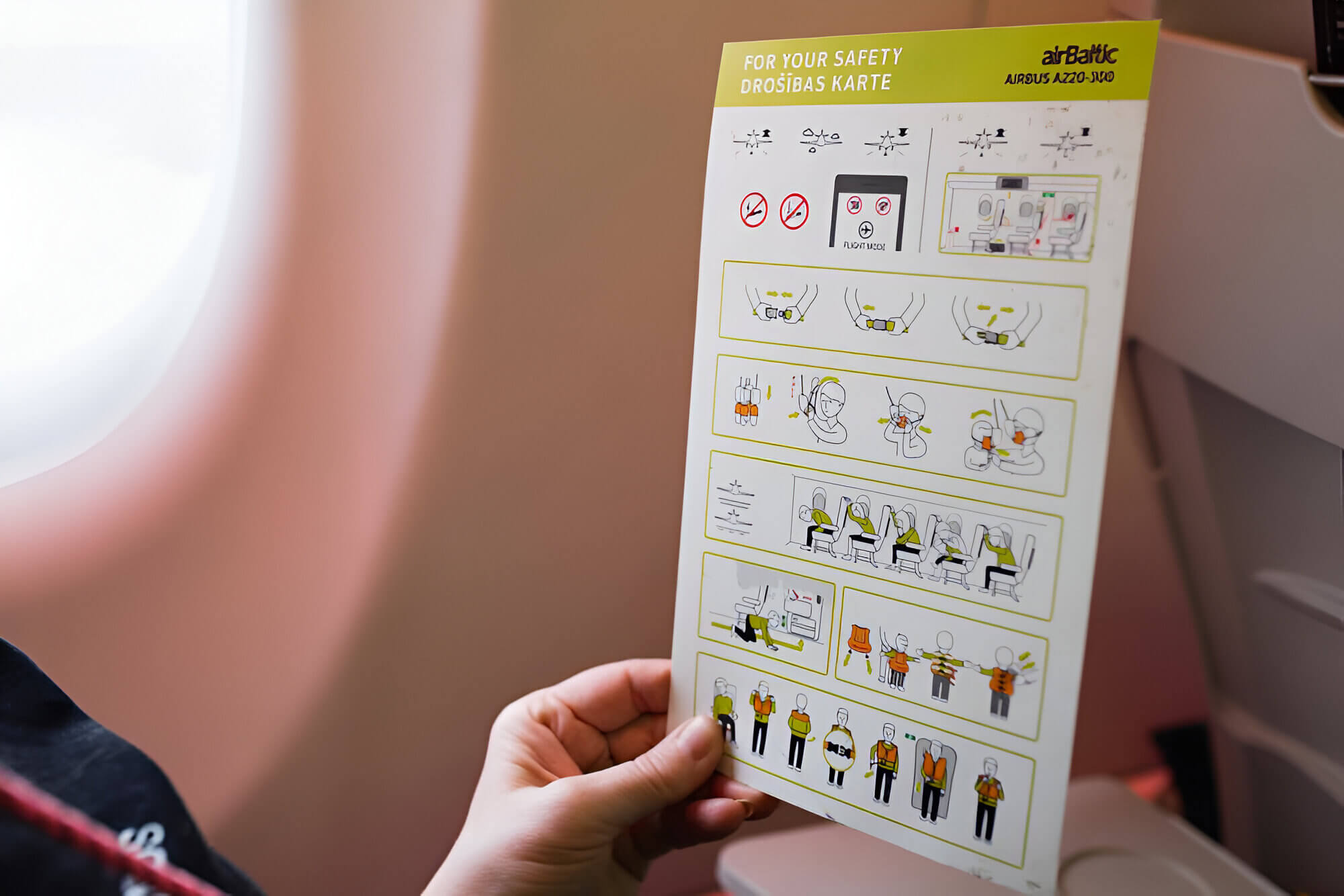
Those safety cards in your seat pocket might seem clean, but they actually attract a lot of germs. Many passengers handle these cards without washing their hands, turning them into germ-ridden surfaces. To protect yourself, avoid touching your face after flipping through the card and use hand sanitizer afterwards. Taking these precautions can help keep you healthier during your journey.
Overhead Compartments: Dirty Hands at Reach
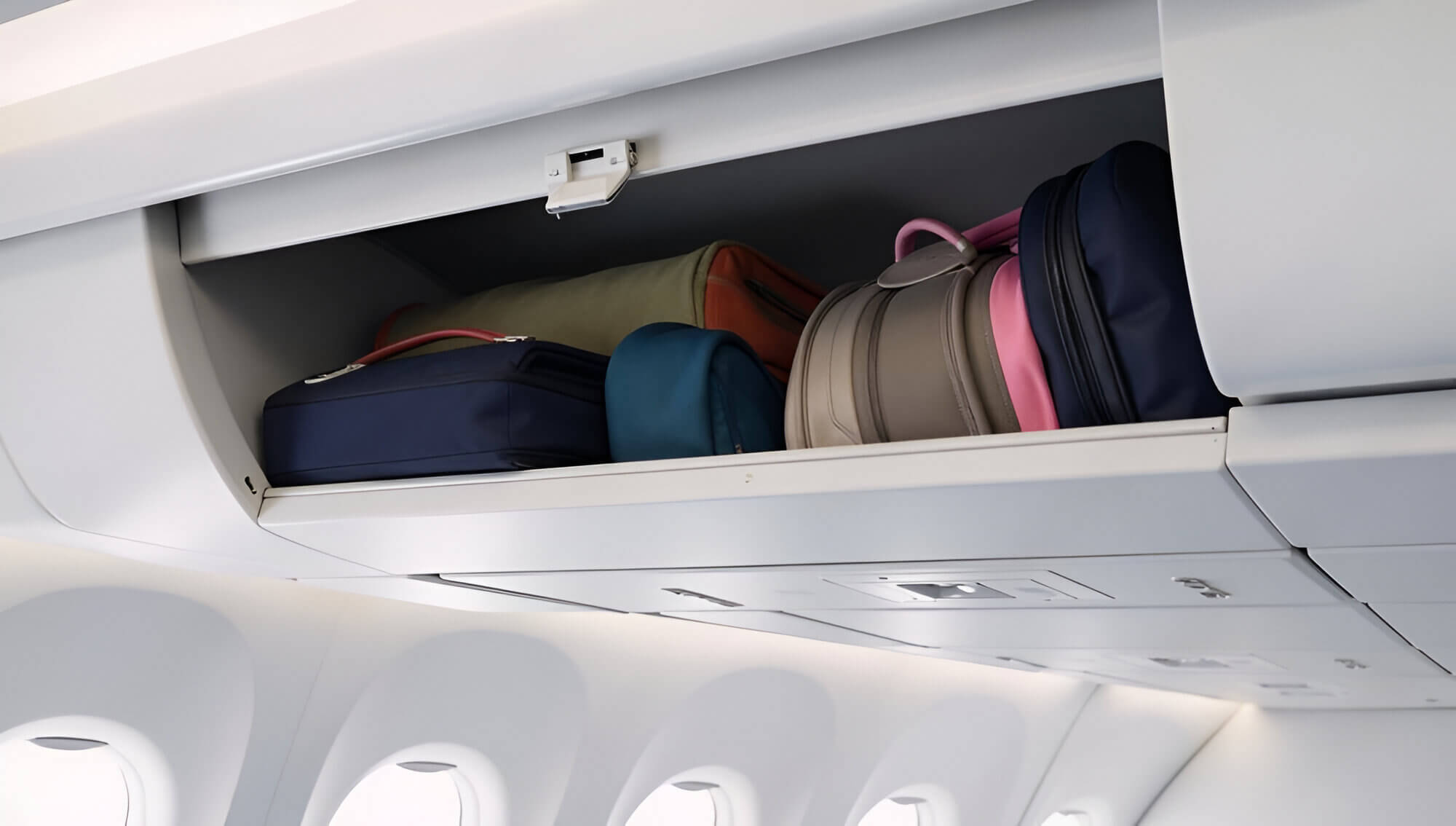
The overhead bins are a convenient place to store your luggage, but they’re also hotspots for germs. Passengers constantly open and close these bins, transferring bacteria onto the handles and surfaces. Plus, bags carrying dirt from various places bring even more germs inside. Airlines don’t always clean these compartments thoroughly between flights, so next time you reach up, be aware you might be touching some seriously contaminated spots.
Touchscreens: Entertainment with a Side of Germs
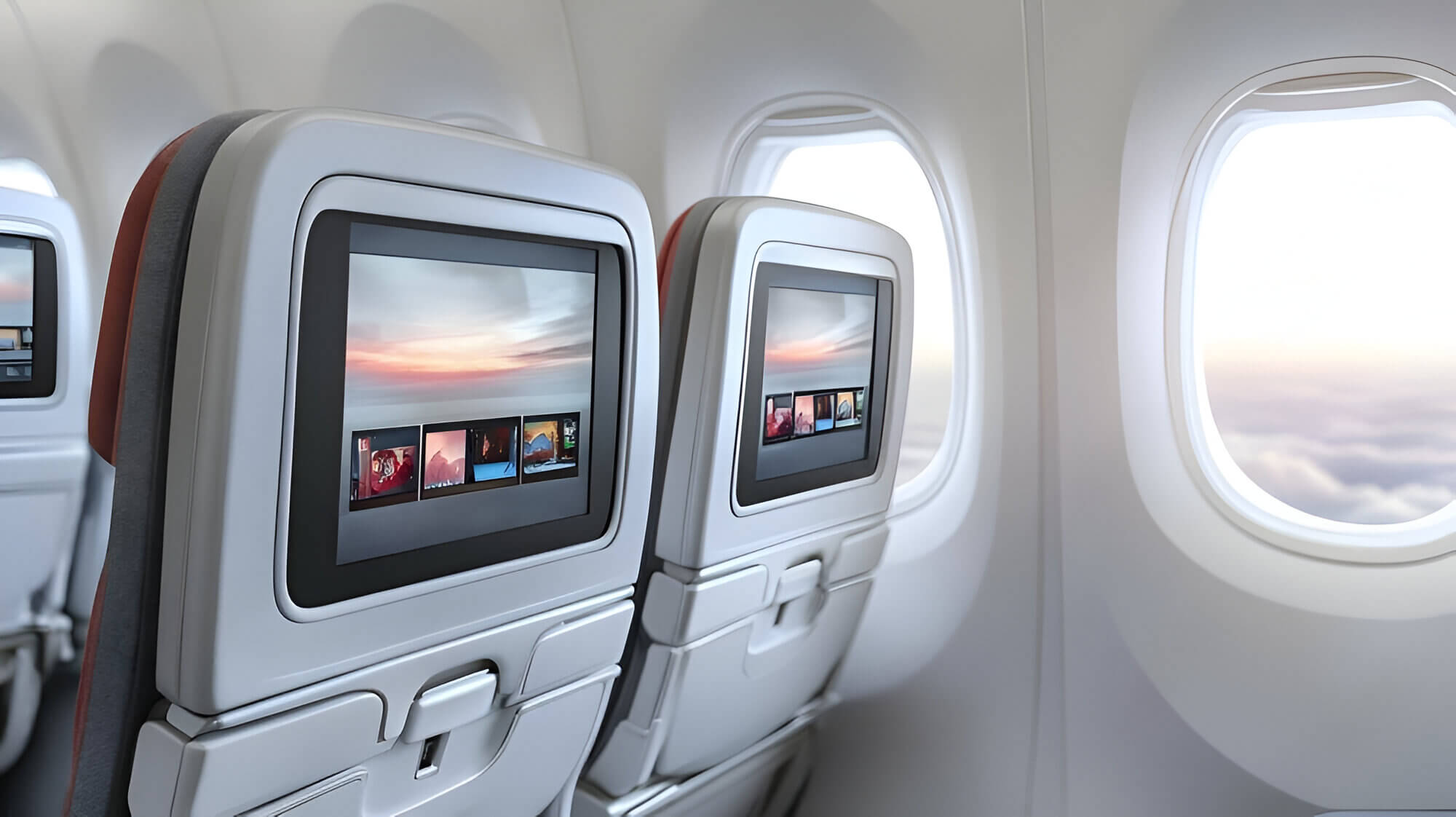
Airplane touchscreens offer fun and convenience but are breeding grounds for bacteria. Hundreds of passengers tap on them daily to watch shows, play games, or order food, yet these screens rarely get cleaned between flights. Since people often touch them after eating, coughing, or bathroom visits, germs accumulate quickly. Using these screens is a bit like shaking hands with dozens of strangers-so try to sanitize your hands afterward.
Seat Belt Clasps: More Germs Than You Expect
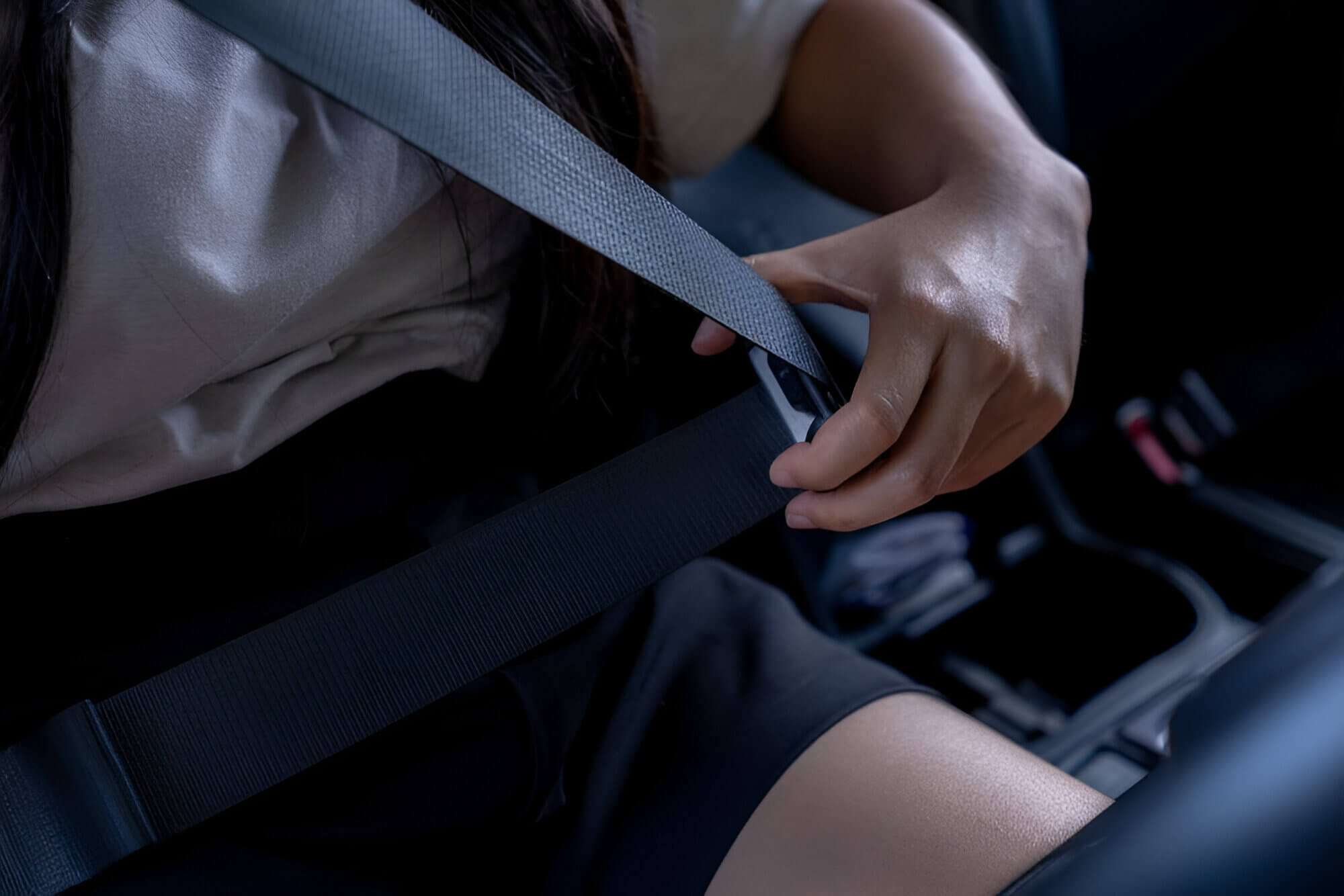
Think the seat belt buckle is just a simple safety tool? Think again-it’s dirtier than you might imagine. Every passenger handles these metal clasps multiple times, and they rarely receive a proper cleaning between flights. Since people touch all sorts of dirty surfaces before buckling up, the buckle ends up covered in germs that can survive on metal for a long time. When you click it, you’re basically shaking hands with everyone who sat there before you.
Seat Fabrics: A Nest for Germs and Grime
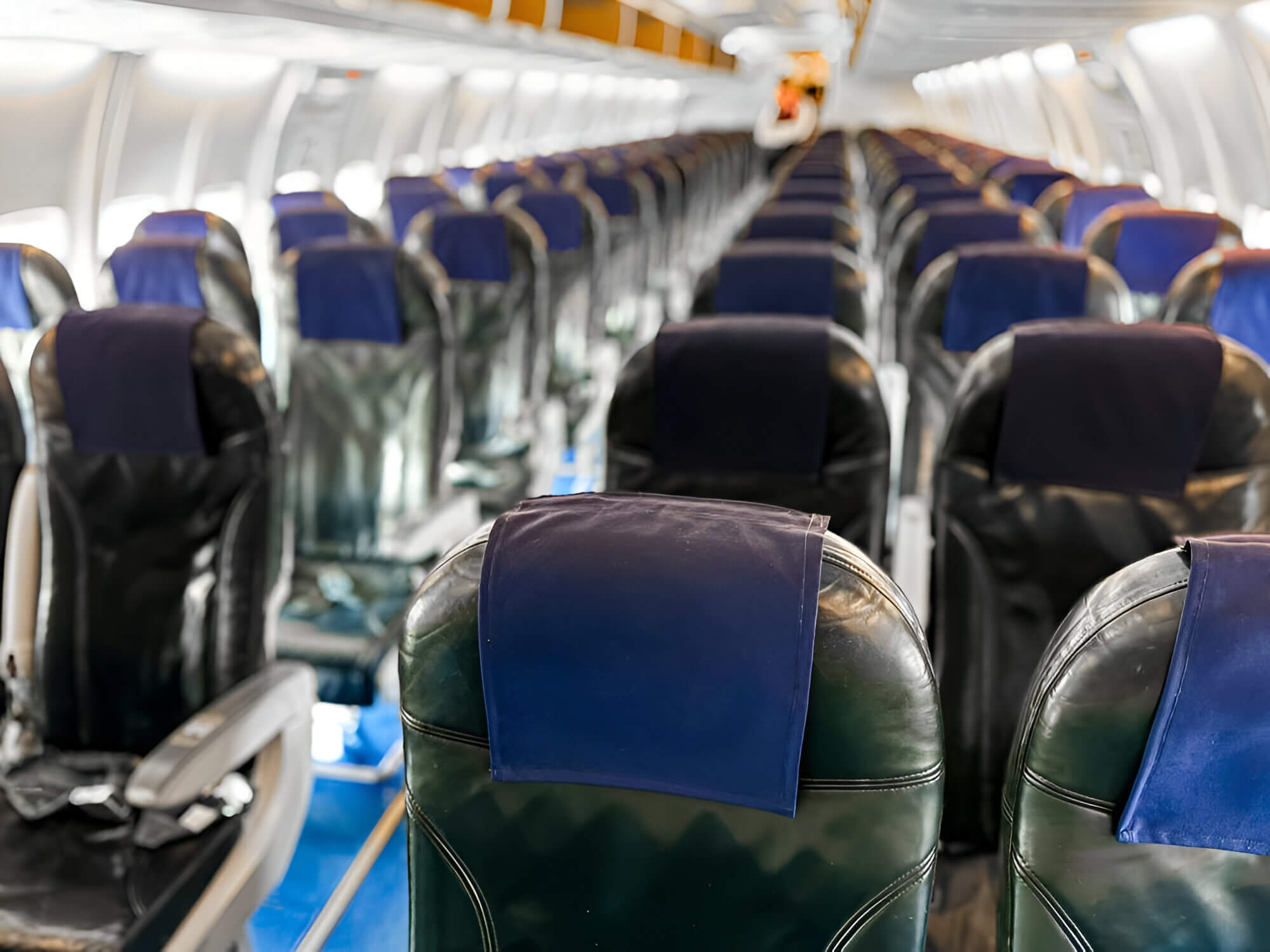
Airplane seat covers might look okay, but they can be surprisingly filthy. Passengers sit for hours, leaving behind sweat, skin flakes, and bacteria. Some even use seats to clean up messes or change diapers. These fabrics soak up all that nastiness and aren’t always cleaned thoroughly between flights. Given how many strangers have used them, you could be sitting on a cushion teeming with germs when you settle into your seat.
Blankets Provided Onboard: Cozy but Germy
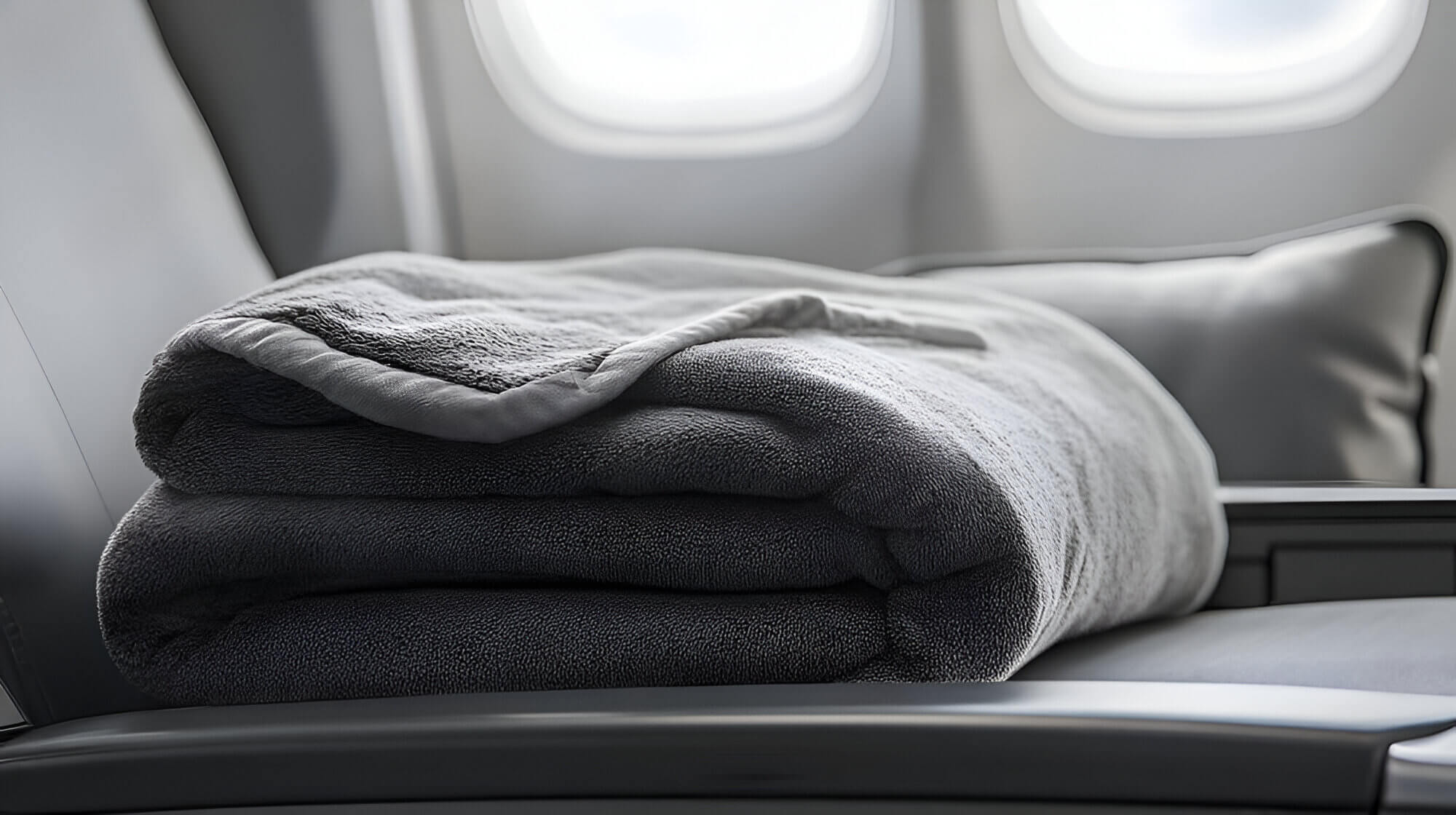
Those cozy airplane blankets aren’t as clean as you might hope. They’re reused by many passengers without being washed after each flight. People sneeze, drool, and wipe their hands and faces on them, turning these blankets into germ carriers. Airlines usually just fold and reuse them, so you could be wrapping yourself in a cover touched by dozens of strangers. It might be worth bringing your own travel blanket if you want to stay clean.
Air Vents Above Your Seat: Hidden Dirt Dispensers
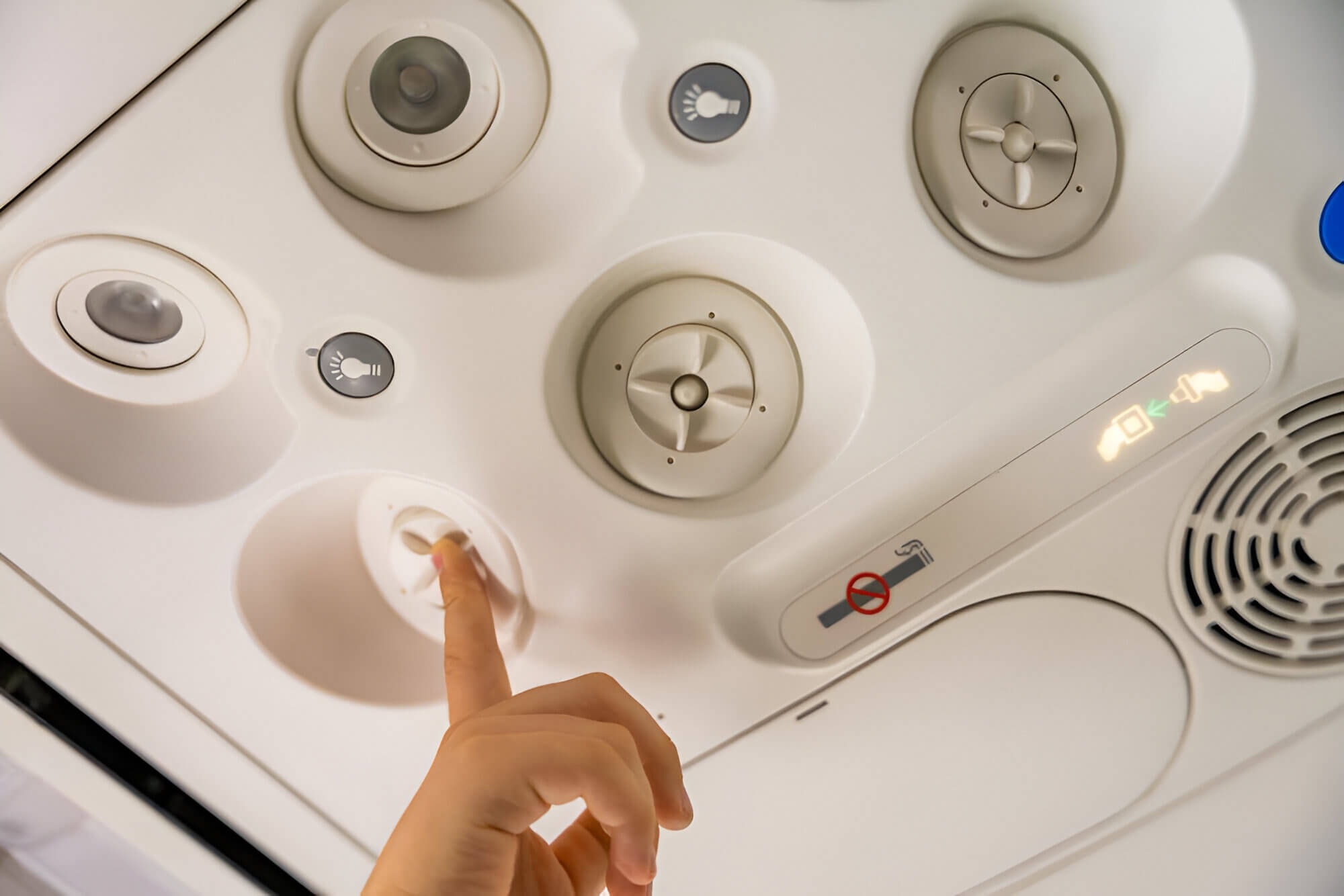
The little air vents above your seat, which you adjust for airflow, can actually be quite grimy. They collect dust, germs, and tiny particles from all around the plane. Since passengers touch them often, they become a hub for bacteria. Unfortunately, these vents rarely get deep cleaned, so when you turn yours on, you might be blowing germs and dust right into your face during the entire flight.
Call Buttons: Small Switches, Big Germ Risks
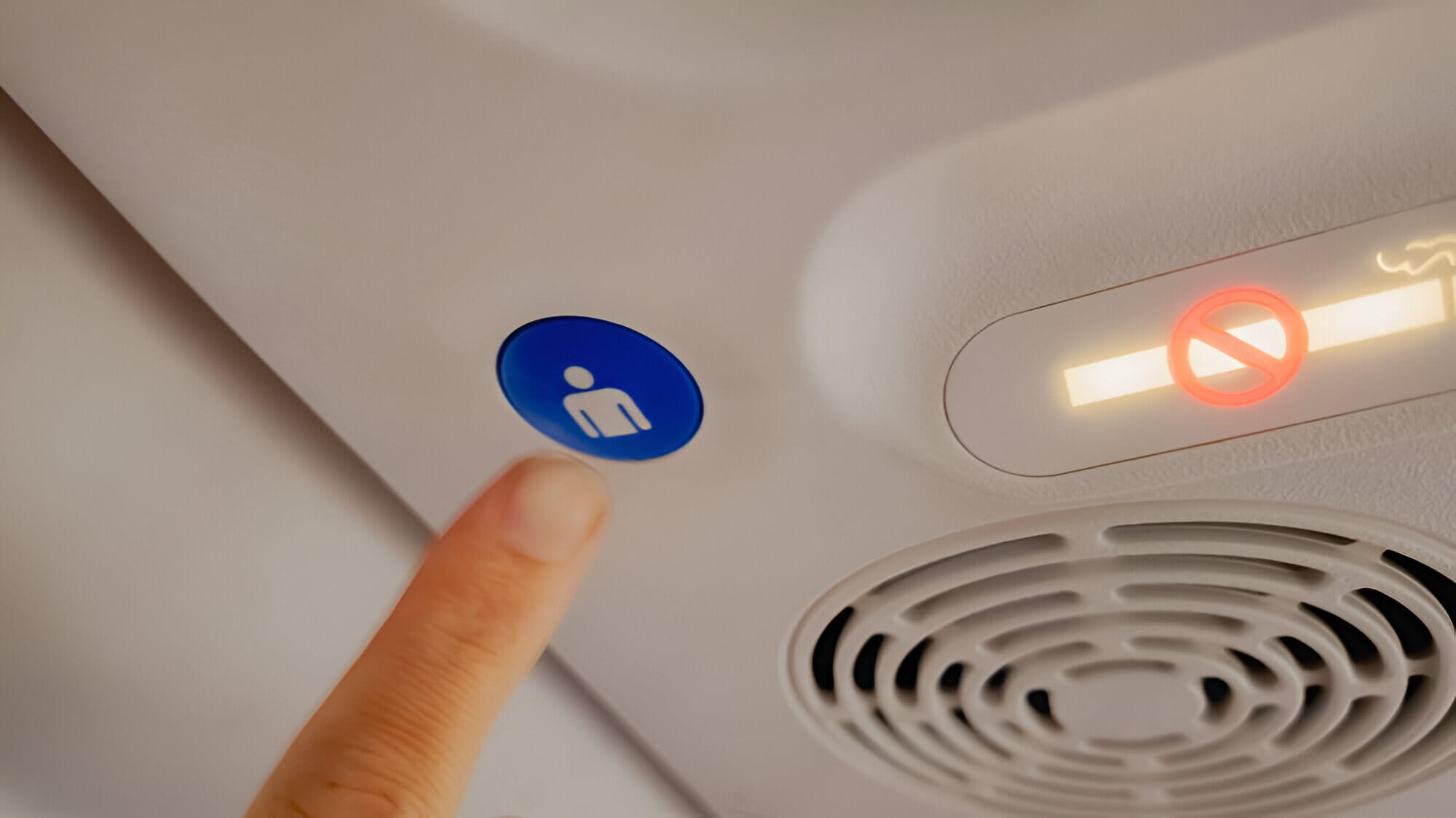
That call button you press to get flight attendant attention might be spreading more than just signals. Passengers push these buttons for various reasons, often with unclean hands, leaving behind germs. Flight attendants also touch them repeatedly without disinfecting. Because these buttons aren’t cleaned frequently, they become microbe hotspots. When possible, use your elbow to press the button and sanitize your hands afterward.
Window Shades: A Dirty Surface You Touch Often
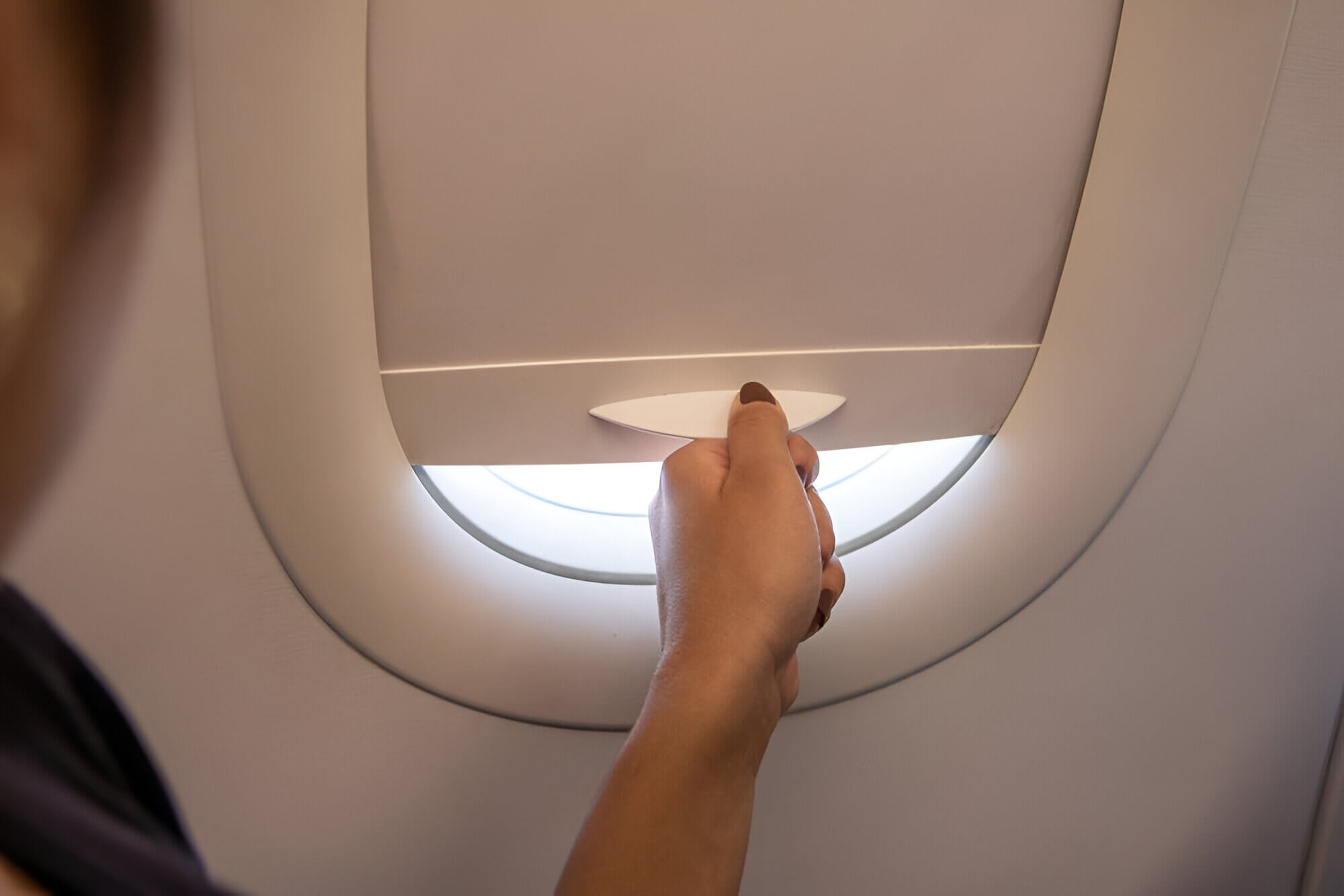
Those window shades you pull up and down aren’t just dusty-they’re a germ magnet. Many passengers handle them throughout the flight, but they seldom get a decent cleaning. The textured surfaces trap oils, fingerprints, and germs. Plus, travelers often lean their heads against them while resting, adding even more bacteria. Because of their rough texture, quick wipe-downs between flights don’t fully clean them, making window shades a mini germ playground.
Armrests: Germ Magnets You Rest On
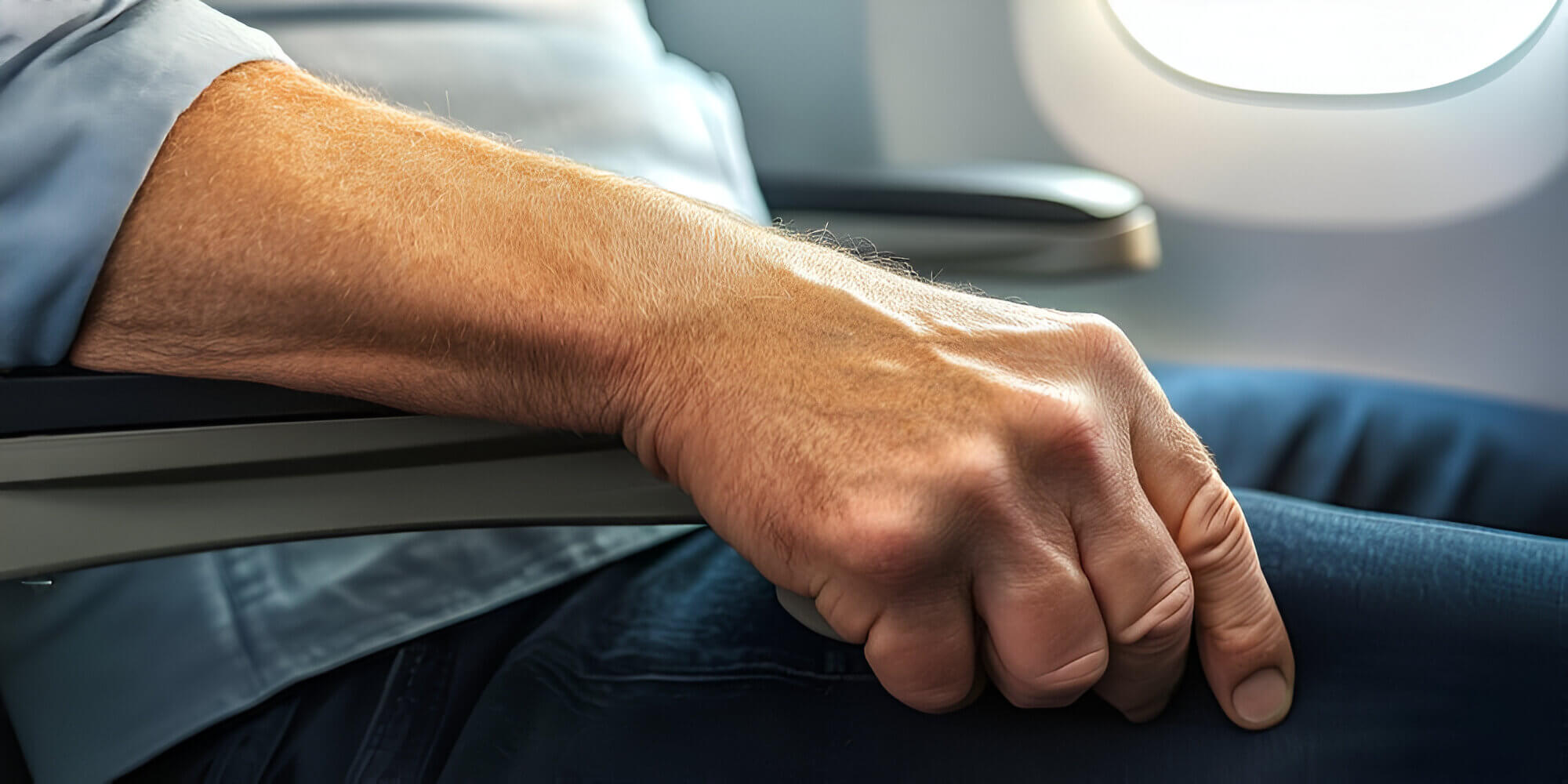
Armrests on planes are prime resting spots but also collect a surprising amount of germs. Passengers use them to get comfortable or steady themselves, leaving behind bacteria from snacks, phones, and more. The nooks and crevices in armrests make thorough cleaning difficult, and airlines don’t sanitize them well between flights. So when you relax your arms, you may be sharing space-and germs-with every traveler that used the seat before you.
Floor and Carpet: Ground Zero for Dirt and Germs
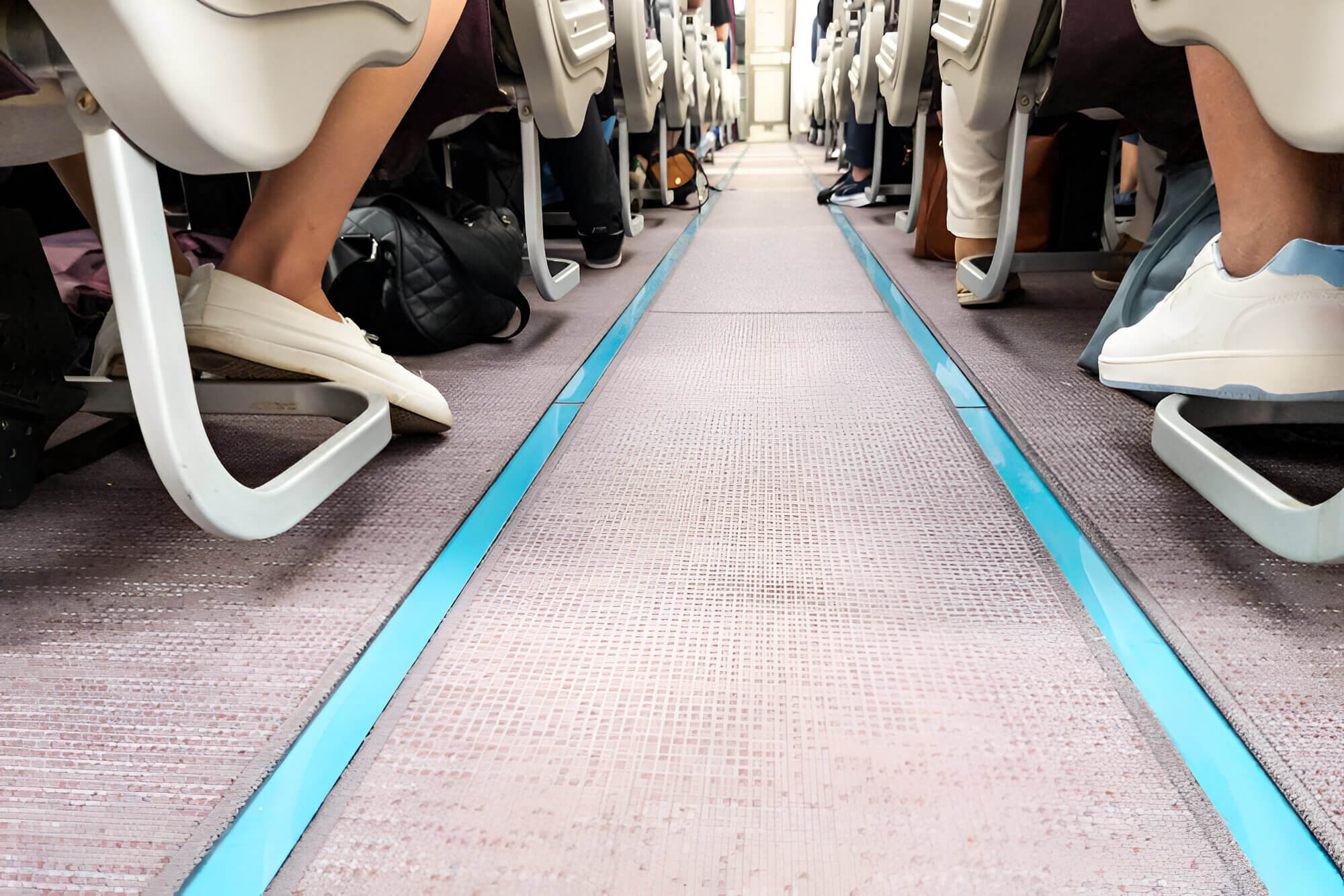
The airplane floor and carpet endure heavy traffic, collecting dirt, grime, and germs from hundreds of passengers daily. Even with shoes on, dust and bacteria settle into carpet fibers, which are tough to clean completely between flights. Over time, this makes the floor a persistent reservoir for nastiness. To avoid picking up unwanted germs, keep your shoes on and avoid placing personal belongings directly on the carpet.
Aisle Seats: Germ Hotspots from Passing Traffic
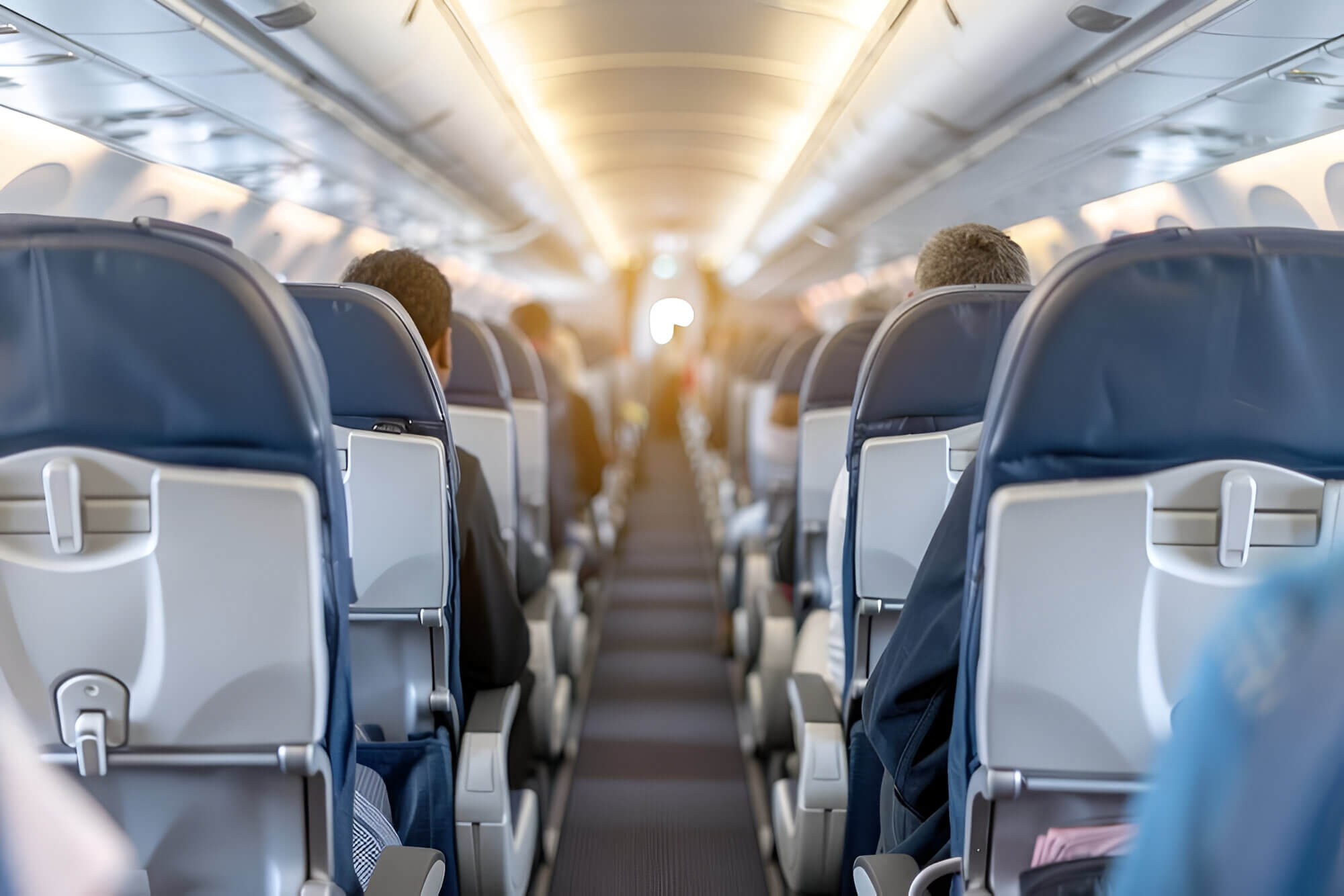
Aisle seats might seem convenient, but they come with a hidden downside: germs. Every passenger walking down the aisle grabs the top of these seats for balance, leaving behind bacteria from countless hands. The headrests collect germs from all these contacts, making aisle seats among the filthiest on the plane. If you pick an aisle seat, consider carrying hand sanitizer to keep your hands clean.
Headrests: Bacteria’s Favorite Hangout
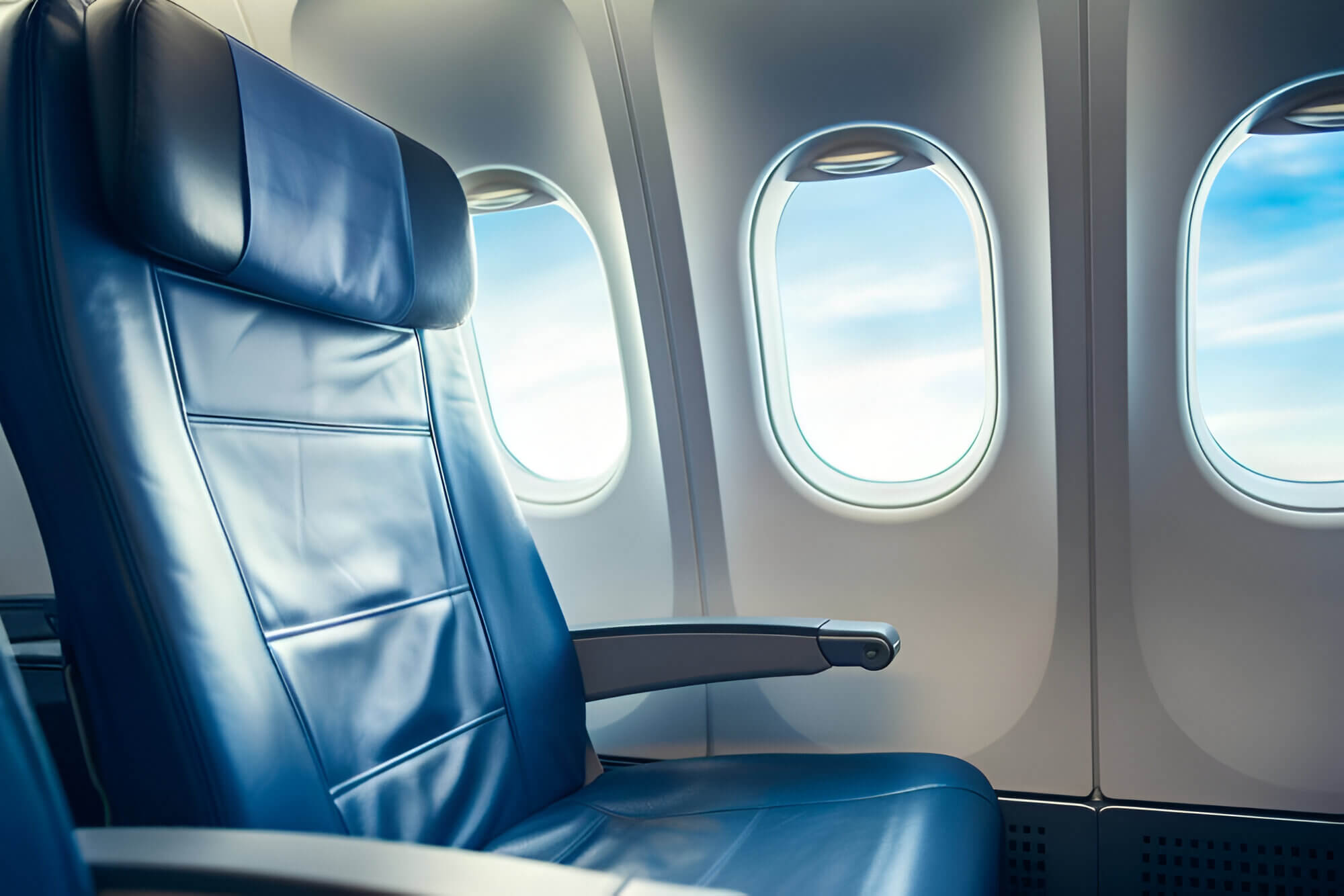
Airplane headrests are one of the filthiest spots on the aircraft. Studies reveal they harbor large amounts of bacteria, including E. coli. So many travelers lean their heads against them during flights, turning these surfaces into bacteria magnets that can cause stomach infections. To protect yourself, wipe the headrest with sanitizing wipes or use a travel pillow to minimize direct contact.
Airplane Pillows: Not as Clean as They Seem
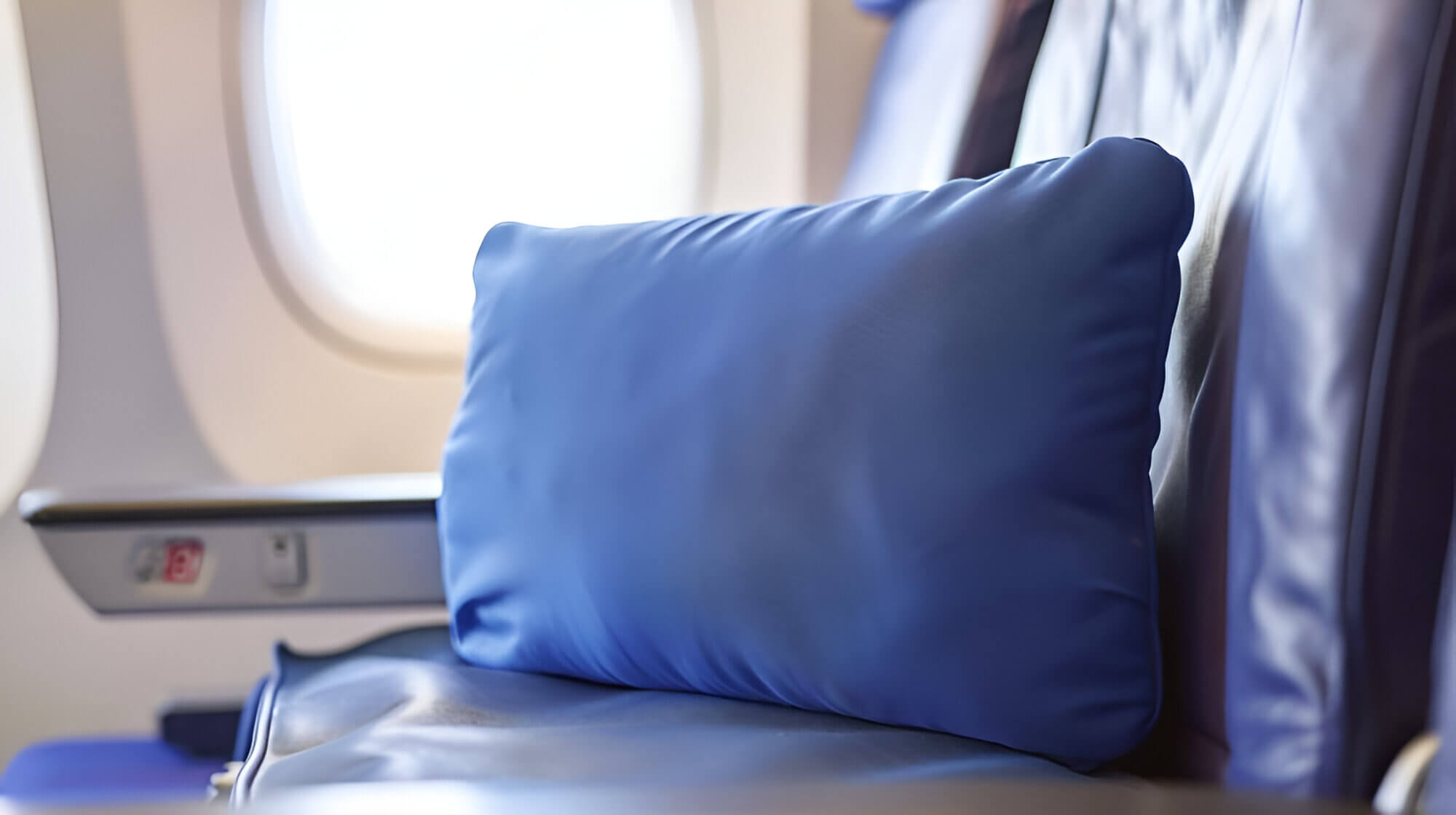
Those comfy pillows handed out on planes may not be freshly cleaned. Airlines often just fluff and reuse them without washing, so the pillow you get might have been used by many others before you. Sweating, drooling, and breathing cause germs to build up over time. Since they’re stored in overhead bins or seat pockets, which aren’t always clean, bringing your own travel pillow is a smart way to stay sanitary.
Onboard Tap Water: A Potential Germ Source
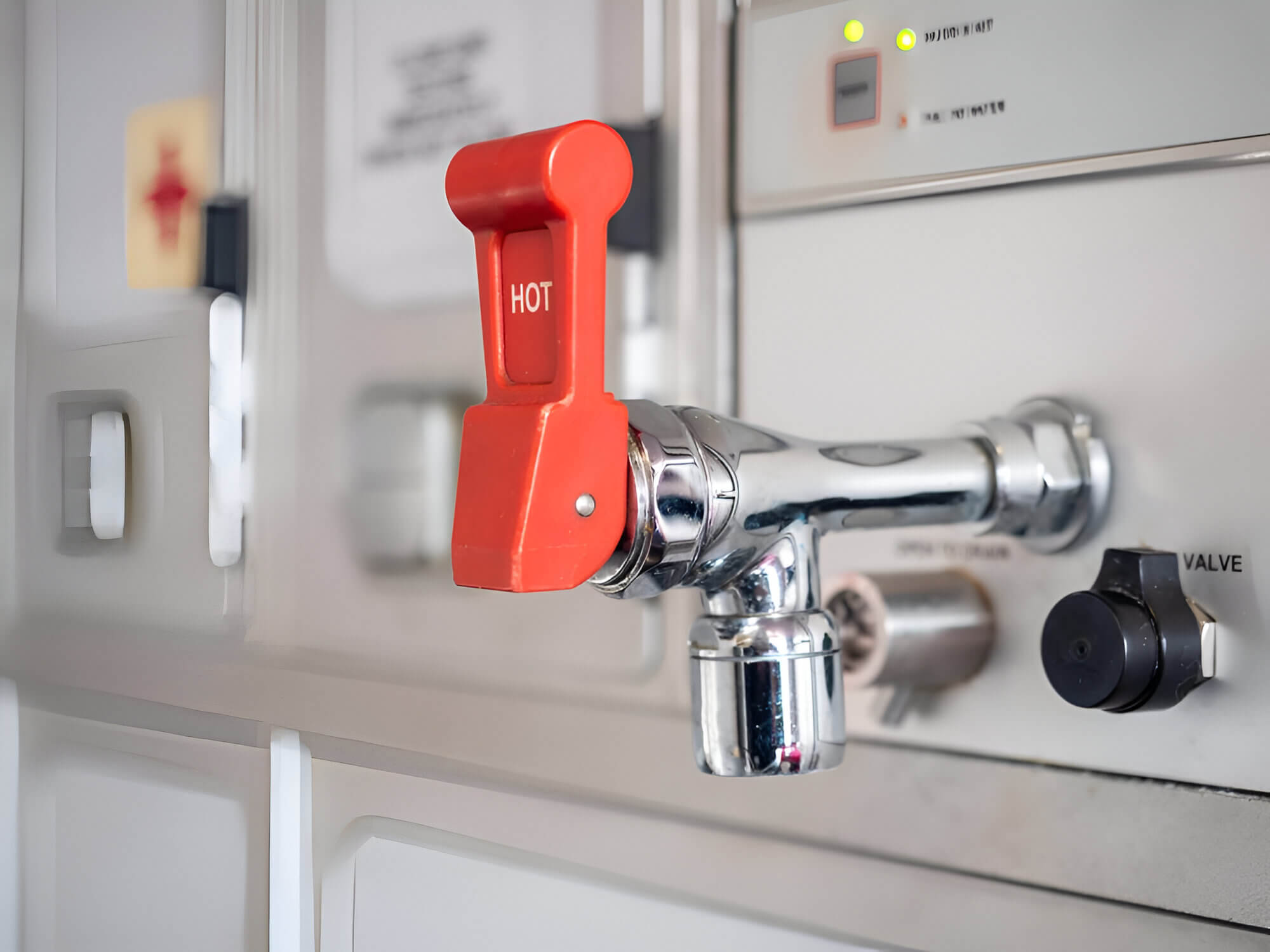
The water from airplane taps isn’t as clean as you might hope. It comes from tanks and pipes that don’t receive frequent cleaning, making the water potentially contaminated. Since flight crews use this same water to prepare hot drinks like coffee and tea, you could be sipping more germs than you realize. To be safer, opt for bottled beverages or bring your own drink from the airport.
Airplane Bathrooms: The Ultimate Germ Zones
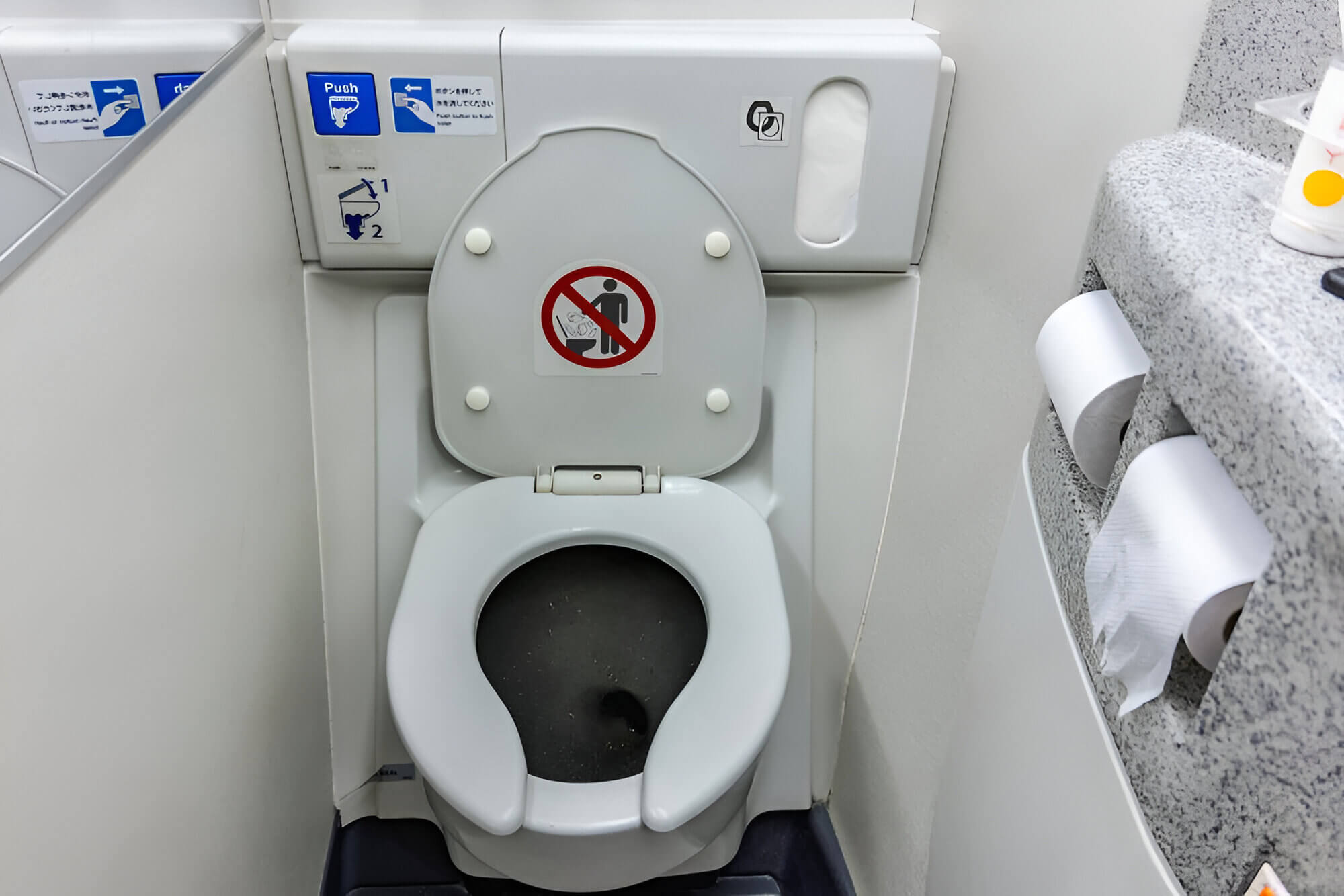
Airplane lavatories are arguably the grossest spots onboard. Countless passengers touch every surface-door handles, sinks, seats, and flush buttons-often without proper handwashing. Flushing sprays tiny droplets that spread germs throughout the space. Cleaning crews usually lack time for deep cleans between flights. To stay healthy, limit contact with surfaces and use hand sanitizer immediately after using the restroom.
This article was written by Hunter and edited with AI assistance. The Daily Dive travel desk uses AI-assisted visuals and content that were reviewed and approved by our editors prior to publication.