
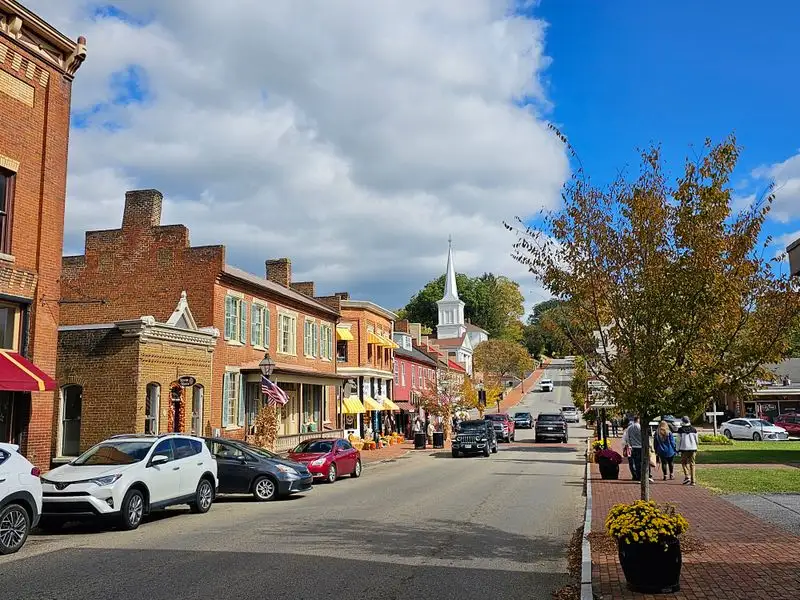
Step back in time in the oldest town of the Southern Appalachian region, where well-preserved streets tell tales of early settlers and mountain travelers. Here, history lives in charming architecture, lively stories, and stunning vistas that frame every corner, inviting you into a world shaped by frontier life and the rhythms of the mountains.
1. Exploring the Character of Jonesborough’s Historic Main Street
Jonesborough’s Main Street acts like a living museum, showcasing buildings that range from Federal to Victorian styles. Take a moment to peer through the storefront windows, then gaze upward at the intricate brickwork, cornices, and window details that have survived fires, changing trends, and time itself. This street echoes with the footsteps of travelers from the stagecoach and railroad eras, all while framed by the surrounding mountains. As you stroll, notice how the roofs and porches adapt to the landscape, reminding you that this was once a vital route for those journeying through the Appalachians.
2. Step Inside the Chester Inn: A Window to Historic Hospitality
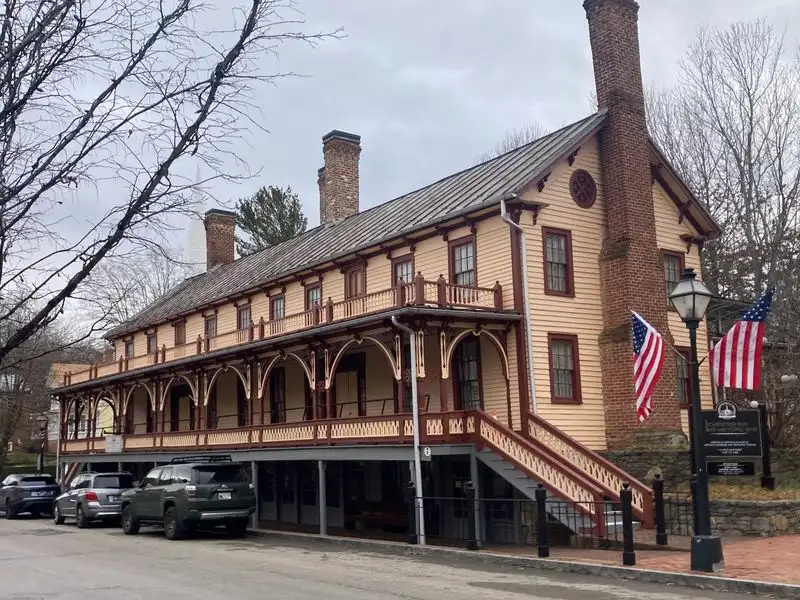
Once a key stop along the Great Stage Road, the Chester Inn welcomes visitors with authentic period décor, including vintage wallpaper, a grand staircase, and a spacious porch made for relaxing. Knowledgeable guides bring to life stories of bustling dinners, mail deliveries, and important meetings that happened here. Upstairs rooms reveal how social standing influenced accommodations, while the parlor offers a glimpse into comfort and class from a bygone era. Visiting the Inn shows how this place was more than lodging-it was a hub of community life, carefully preserving echoes of the past alongside its original features.
3. Heritage Alliance: Connecting You to Jonesborough’s Past Through Tours and Archives
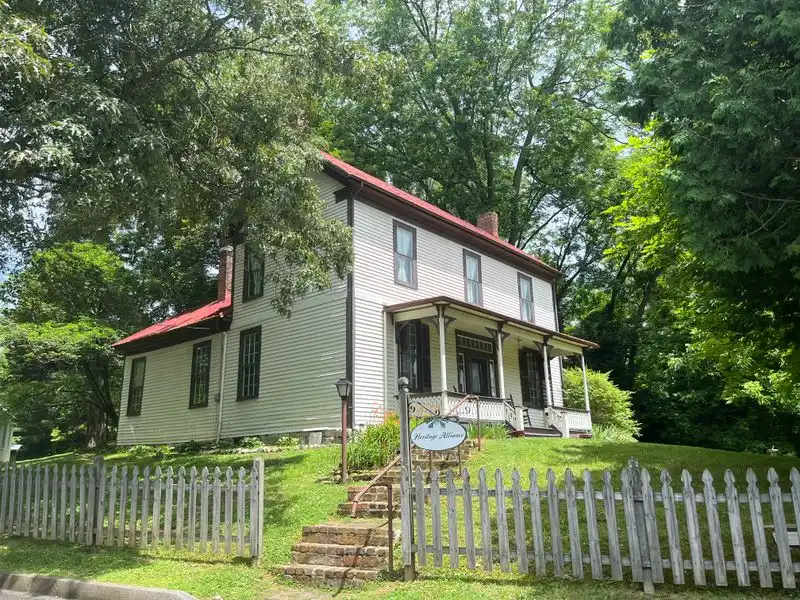
The Heritage Alliance invites you to explore Jonesborough’s history through guided tours that weave individual sites into compelling stories. For those digging into their roots, the archives are a treasure trove filled with old maps, property records, and photographs. Staff are eager to help you navigate these resources, turning what might feel like guesswork into meaningful discoveries. Bring a notebook and camera, and prepare to see the town in a new light-as research transforms ordinary doors into gateways and dates into vivid markers of your own family’s journey.
4. Savor Appalachian Flavors in Jonesborough’s Classic Eateries
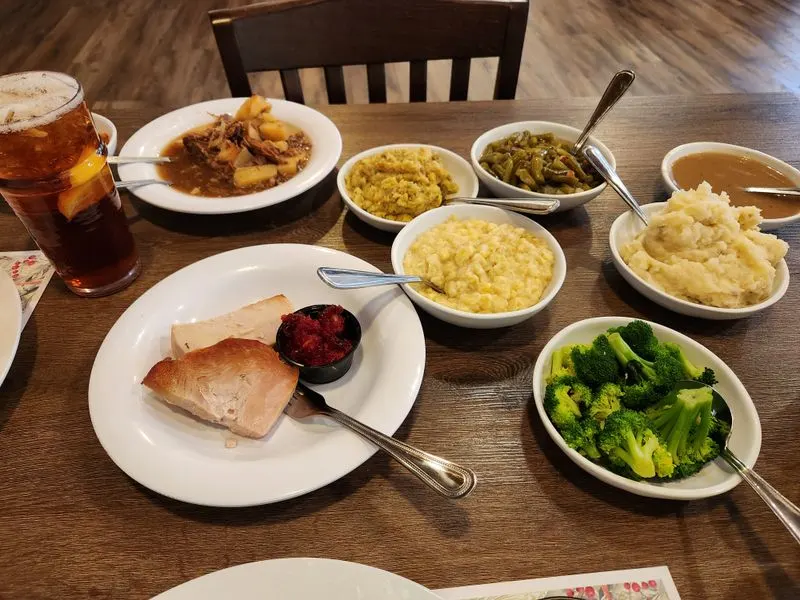
Dining in Jonesborough celebrates local ingredients like trout, cornbread, beans, and fresh seasonal produce, with desserts so good you might want to linger longer. Menus often highlight Appalachian staples such as ramps, sorghum, and tangy pickled relishes that brighten every dish. Cozy coffee shops provide the perfect fuel for exploring, while eating on a porch turns your meal into a lively performance of street life. Ask about daily specials sourced from nearby farms to taste the region’s heritage of resourceful cooking, garden rhythms, and smoky flavors. Afterwards, a peaceful walk beneath the mountain air feels like the perfect finale.
5. Capture Jonesborough’s Mountain Beauty in the Magic of Golden Hour
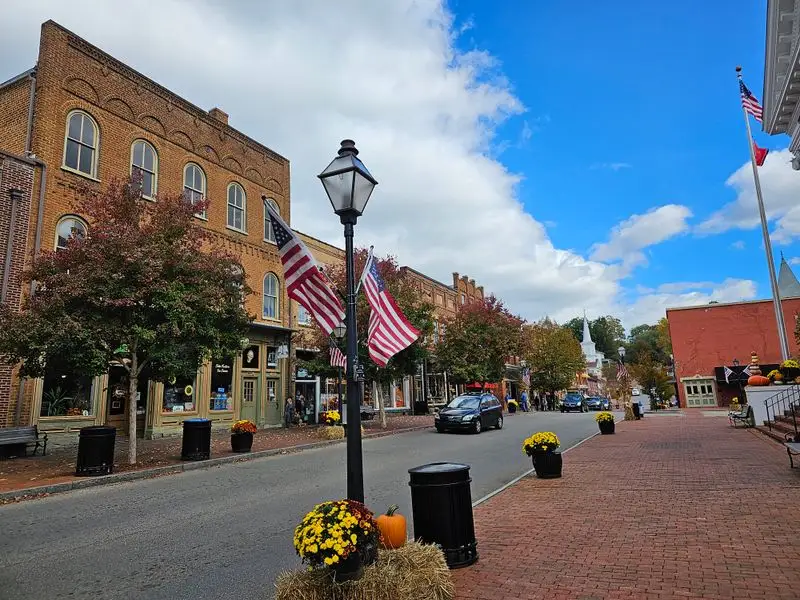
For breathtaking mountain vistas, visit nearby scenic overlooks late in the day when the ridges glow in layers of gold and blue. A lightweight tripod is handy for photographing Main Street with its reflections in historic glass windows. The warm light of sunset brings a soft glow to brick facades and architectural details like cornices. Use the lines of sidewalks and awnings to guide your shots, blending the charm of town and the majesty of mountains seamlessly. When streetlights flicker on, switch to a fast lens for handheld shots that feel timeless-no filters needed, just patient light and fresh mountain air.
6. Meet Local Artisans and Explore Traditional Crafts in Jonesborough
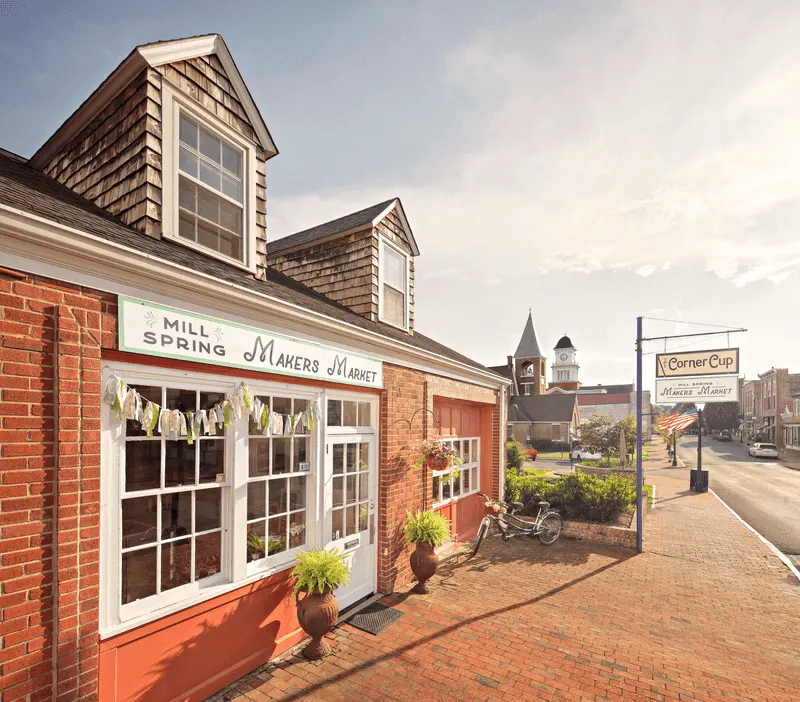
Jonesborough’s shops are alive with handmade creations rooted in heritage-from pottery and letterpress prints to handwoven textiles. Step into galleries where makers happily share the secrets behind their craft, whether it’s the types of clay, glaze formulas, or weaving techniques. Purchasing here supports artisans and keeps these traditions vibrant, connecting your visit to the town’s living culture. Many places offer demos or short classes, so you can experience the creative process firsthand. Craftsmanship in Jonesborough feels practical and beautiful, reflecting the frontier spirit of making what’s needed with skill and care.
7. Inside the Christopher Taylor House: A Glimpse of Early Appalachian Frontier Life
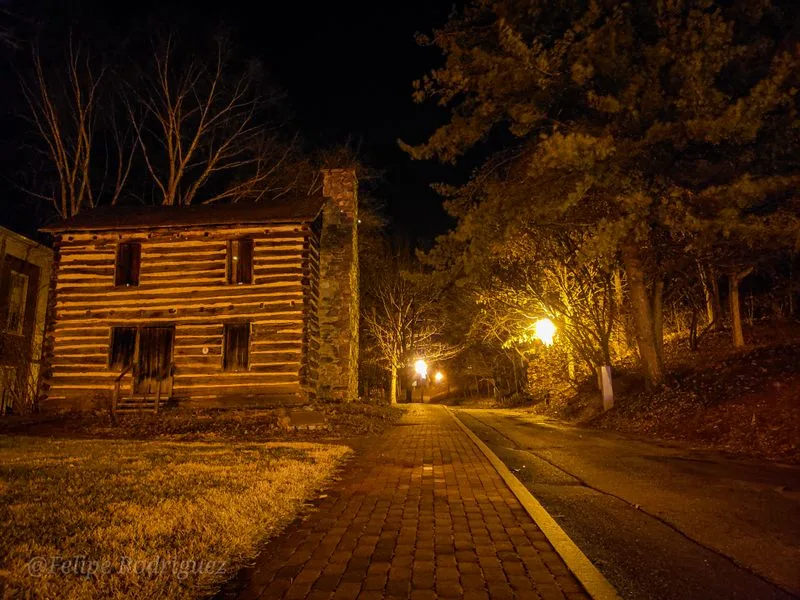
Nestled on a grassy plot, the Christopher Taylor House is a hand-crafted log cabin that brings frontier living close to home. You can study the axe marks on the wood, sense the scent of aged timber, and imagine the chilly nights spent by a modest hearth. This cabin has a remarkable connection to history: Andrew Jackson once stayed here, linking national stories to humble beginnings. Notice the notches and chinking that kept out wind and wildlife, and how every space served multiple purposes. Visiting this cabin deepens your appreciation for the resourcefulness that shaped early Appalachian settlements.
8. The Washington County Courthouse: A Centerpiece of Community and Law
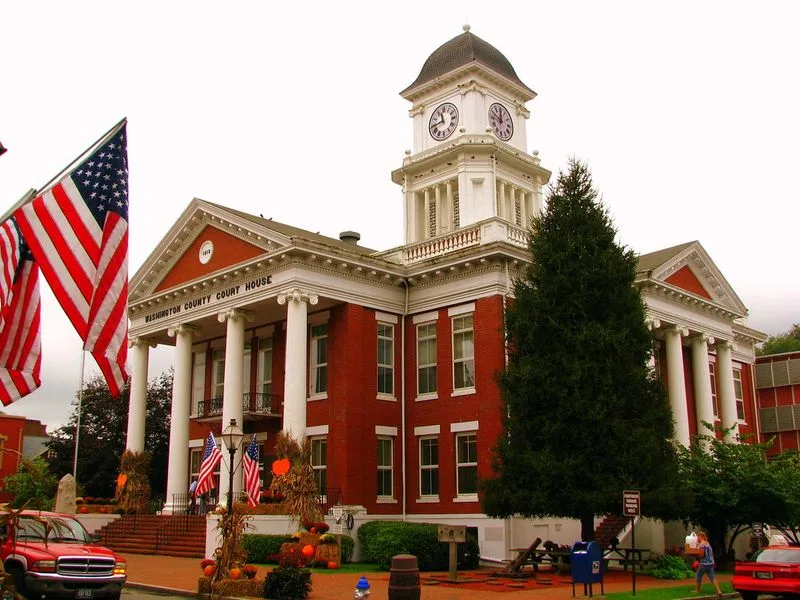
Perched atop a hill, the Washington County Courthouse has been witness to elections, speeches, and everyday conversations for generations. Its classical architecture speaks of stability and order, while the surrounding square buzzes with markets and gatherings. Standing here, you feel the intersection of law, commerce, and social life on full display. Pay attention to the bricks-color changes reveal where the building expanded over time. The courthouse faces Main Street intentionally, keeping government visible to all. Beyond the building, mountain silhouettes remind you that every law and trade deal was shaped by the land itself.
9. Jonesborough’s Historic Trade: From Tobacco Barns to Rail Connections
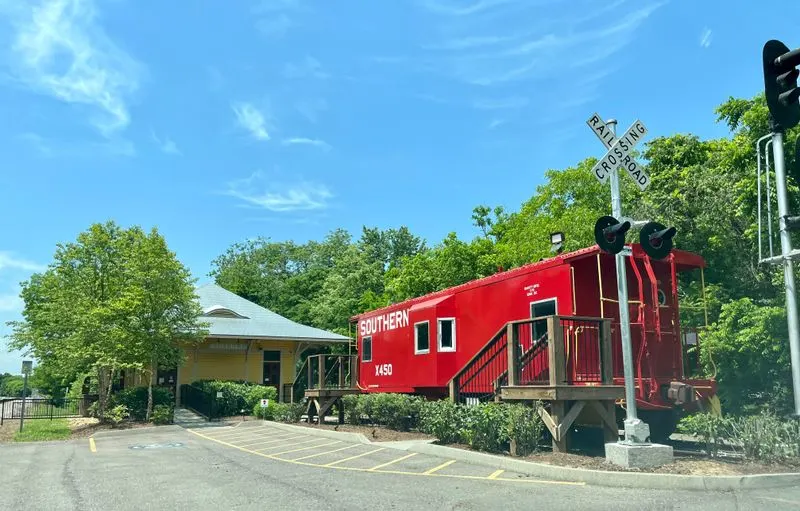
Jonesborough’s growth was fueled by evolving trade routes, beginning with packhorses and later railroads that shipped tobacco and timber. Remnants like old barns and warehouse foundations still hint at the town’s commercial past, where leaf was stored and prepared for market. The town’s layout reveals how trade intertwined with the Great Stage Road and rail links to nearby cities. Informational panels explain the cycles of tobacco grading, seasonal workers, and auction day bustle. Even in the absence of trains, the remaining structures tell a vivid story of a community that adapted and thrived by moving goods and embracing change.
This article was written by Hunter and edited with AI assistance. The Daily Dive travel desk uses AI-assisted visuals and content that were reviewed and approved by our editors prior to publication.