
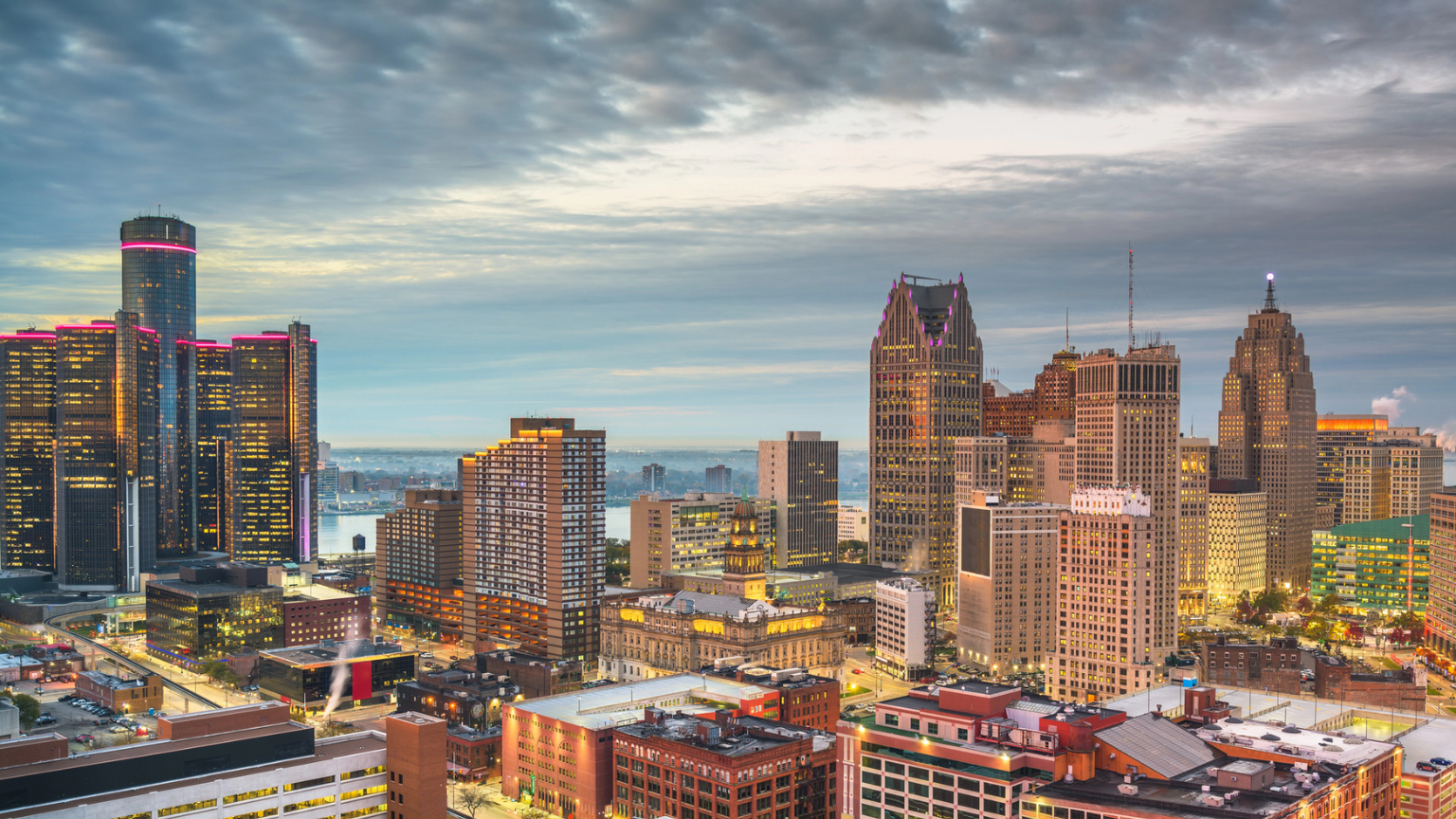

For years, this city was the punchline to every late night joke and the backdrop for stories about decline. People talked about abandoned factories, empty streets, and a skyline that had seen better days. Travelers skipped it in favor of more polished destinations, convinced there was nothing worth seeing. Yet quietly, without a lot of fanfare, Detroit has been rewriting its own story. Today, travelers are starting to notice. They are coming back, and many are leaving surprised, impressed, and eager to return.
What makes Detroit so interesting now is not that it has become perfect or polished. It is that the city feels real, creative, and full of possibility. Old buildings are humming with new life, neighborhoods are buzzing with independent shops and bars, and the riverfront has turned into a genuine gathering place instead of an afterthought. If you think you already know Detroit, it might be time to take another look.
How Detroit Got Its Reputation
For decades, Detroit was known as the Motor City, the powerhouse that drove American car manufacturing and middle class dreams. When that industry began to crumble, the bad news piled up fast. Job losses led to population decline, houses were boarded up, and national media painted a grim picture of a city falling apart. To many outsiders, Detroit became shorthand for everything that could go wrong in an American city.
The problem is that once a place gets that kind of reputation, most people stop looking for anything else. Travelers saw only the headlines and not the people building lives and businesses in the middle of all that change. They missed the small coffee shops that stayed open even when the street felt empty, the longtime restaurants that kept serving regulars, and the artists turning vacant spaces into studios and galleries. While the world was busy writing Detroit off, the city was laying the groundwork for a comeback.
Now those efforts are finally visible on a larger scale. Entire blocks that once sat quiet are filled with boutiques, cafes, and murals. Classic buildings have been restored instead of demolished. The city’s rough past is still part of its story, but it is no longer the only thing that defines it.
A Fresh Creative Energy
One of the first things visitors notice in Detroit today is the creativity that seems to spill out onto every street. Warehouses have become art spaces, design studios, and co working hubs. Empty walls are now canvases for massive murals that tell stories of resilience, music, and community. Even old industrial spaces have been reborn as markets, event venues, and food halls where local vendors get a chance to shine.
This creative energy feels different from what you find in more polished tourist cities. In Detroit, things still feel experimental and a little raw around the edges, in the best possible way. You can walk into a small gallery and talk directly with the artist or stumble into a pop up event inside a building that is still in transition. Travelers who are tired of cities that all look and feel the same are finding Detroit refreshing because it is so unapologetically itself.
The city is also attracting young entrepreneurs, designers, and makers who want space to actually build something. That means visitors can expect unique shops, locally made goods, and businesses with strong ties to the neighborhood. It is easy to spend an afternoon wandering between studios, coffee shops, and creative spaces and feel like you are seeing a new chapter of the city being written in real time.
A Food Scene That Might Surprise You
Anyone who still thinks Detroit is only about fast food and old diners has not been paying attention. In recent years, the city’s food scene has grown into one of its strongest reasons to visit. You will still find the classic comfort dishes, including square Detroit style pizza and Coney Island hot dogs, but they are now sharing space with inventive restaurants, global flavors, and polished yet relaxed spots that feel right at home in a modern city.
What makes eating in Detroit fun is the range. You can grab a casual slice in a neighborhood joint, then sit down to a beautifully plated meal just a few blocks away. Chefs are drawing on local ingredients, family recipes, and international influences to create menus that feel both deeply rooted and forward thinking. There are cozy bistros in restored buildings, lively taco spots, Middle Eastern bakeries, modern brunch cafes, and cocktail bars that take their craft seriously without feeling overly pretentious.
For travelers, the food scene becomes a way to understand the city’s diversity. Detroit has long been shaped by immigrant communities, and that history shows up on the plate. A single day of eating can take you from traditional dishes passed down through generations to bold new takes on comfort food. Many visitors come for the music or the history and leave talking about the meals they did not expect to find.
Music, History, and a Real Sense of Soul
Detroit has always been a music city. This is the birthplace of Motown and home to a long line of artists who reshaped American sound. Music is not just a chapter in a history book here. It is something you feel in live venues, street performances, and even in the way locals talk about their city. Travelers who love music can easily spend days exploring small clubs, listening to live bands, and visiting museums and landmarks connected to Detroit’s musical legacy.
History in Detroit is not hidden behind glass. Old factories, theaters, and office towers are still part of the landscape, and in many cases, they have found new purpose. Guided tours offer context, but even a simple walk downtown can feel like stepping through layers of American industry, migration, and culture. Historic theaters host concerts and film festivals, former car facilities have turned into creative campuses, and classic storefronts now house modern businesses.
What surprises many visitors is that, in spite of everything the city has been through, Detroit still has a strong sense of pride and identity. Locals speak candidly about the hard times, but they also celebrate the city’s creativity and toughness. That combination of honesty and hope gives Detroit a depth that many more polished destinations lack. It feels like a place that has earned its soul.
A Revived Waterfront and Green Spaces

When people picture Detroit, they often imagine factories and freeways, not riverfront views and parks. Yet one of the city’s standout features today is its reimagined waterfront. The Detroit RiverWalk has turned stretches of the shore into a welcoming public space with paths, seating, public art, and skyline views. On warm days, it fills with cyclists, joggers, families, and visitors soaking in the scenery.
Beyond the river, the city has a surprising amount of green space. Parks, plazas, and community gardens break up the urban landscape and create room to breathe. Some former vacant lots have been turned into urban farms and gathering spaces, showing another side of Detroit’s resourcefulness. Travelers who think of the city as nothing but concrete often leave impressed by how walkable and bike friendly certain areas have become.
For visitors, these outdoor spaces offer a nice balance to time spent in museums, bars, and restaurants. You can start a day with coffee and a stroll along the river, explore a neighborhood on foot, then end up at a park listening to live music or watching the sun set behind the skyline. It is a softer, more relaxed side of the city that does not always make it into the headlines.
Neighborhoods with Character, Not Just Attractions
Detroit does have big ticket sites, from sports arenas to museums and concert halls. But what really wins travelers over are the neighborhoods that feel lived in, layered, and full of character. Blocks that once sat mostly empty now feature a mix of shops, record stores, vintage boutiques, bakeries, galleries, and locally owned bars. Each area has its own personality, and exploring them feels less like ticking boxes and more like getting to know a friend.
You might spend a morning in a historic district lined with brick buildings, then head to another area where colorful murals and modern cafes set the tone. Many of these neighborhoods still show signs of change in progress. You will see a beautifully restored corner building next to a vacant lot that has not yet been transformed. Rather than feeling discouraging, that contrast often makes the city feel honest and full of potential.
Compared to heavily touristed cities where every block seems curated for visitors, Detroit’s neighborhoods still belong first to the people who live there. When you step into a local bar or coffee shop, you are just as likely to be surrounded by residents catching up as by other travelers. That real life backdrop is what many visitors find themselves drawn to after years of visiting places that cater almost entirely to tourism.
Why Travelers Are Falling in Love with Detroit Again
So why are more travelers putting Detroit back on their list now? Part of it is simple curiosity. After years of hearing only negative stories, people want to see the city for themselves and find out what has changed. Once they arrive, they tend to discover a place that feels fresher and more genuine than many of the trendier destinations that fill social feeds. Detroit has charm, but it is not overly polished. It has cool neighborhoods, but they still feel like they are made for residents first.
Visitors also appreciate that Detroit offers good value compared to more crowded, coastal cities. You can stay in stylish hotels or unique lofts, eat very well, and enjoy a full schedule of activities without feeling like everything is priced for tourists. It is a city where you can still have unexpected conversations, find spots that are not yet all over the internet, and feel like your trip has some original edges.
Most of all, people are falling in love with Detroit again because it tells a different kind of travel story. This is not a city that had everything handed to it. It is a city that has been knocked down and is still finding ways to stand back up. Experiencing that up close, through its food, music, neighborhoods, and locals, leaves a deeper impression than a perfectly packaged escape.
How to Visit with Respect and Curiosity
If you decide to see Detroit for yourself, it helps to arrive with the right mindset. This is not a theme park built for tourists. It is a working city that is still rebuilding, with all the complexity that comes with that. Give yourself time to explore beyond the obvious spots. Take a walking tour with a local guide, visit small businesses, and say yes to conversations when people are willing to share their stories.
Support places that care about the community. Choose locally owned hotels, restaurants, and shops when possible. Be patient when things do not move at big city speed or when a neighborhood still shows signs of transition. Remember that your presence has an impact, so treat the city with the same care you would want visitors to show in your own hometown.
Most importantly, be open. Detroit will not fit into the neat box you might have created based on old headlines. It is a mix of grit and beauty, of challenge and creativity. If you let go of the old narrative and watch what is actually happening on the streets, you might find yourself joining the growing number of travelers who did not expect to love this city quite so much.
A Comeback Story Worth Seeing Up Close
In a country full of places competing for attention, Detroit stands out because it never pretends to be something it is not. It carries its history openly and invites visitors into the middle of an ongoing transformation rather than presenting a finished product. That honesty is exactly what many modern travelers are craving after years of over edited, over curated trips.
The American city everyone wrote off is quietly proving the critics wrong. It is not perfect, and it is not trying to be. Instead, it is becoming something far more interesting. If you are willing to look beyond the old headlines and give Detroit a fair chance, you might just find your new favorite American city in the very place people once told you to avoid.
Follow us on MSN for all your travel and lifestyle tips.
This article was written by Hunter and edited with AI Assistance