
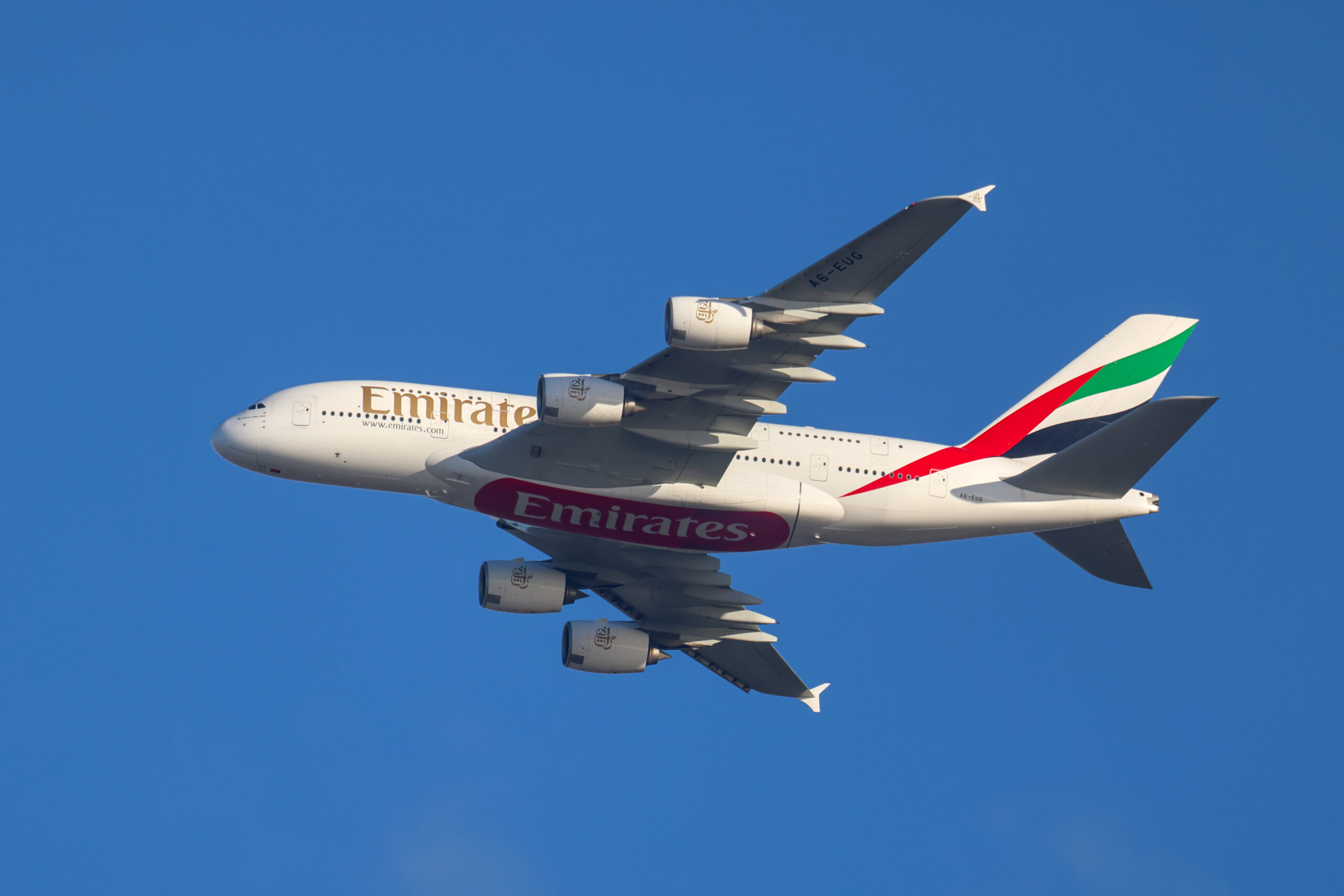

As tensions flare in the Middle East, travelers are left questioning the potential impact on airfare prices. The ongoing conflict has raised concerns about increased flight costs and altered travel plans. Airlines have begun to take note, affecting ticket prices for routes that involve the region. With rising fuel costs and operational uncertainties, airlines may adjust their pricing strategies. Travelers planning to visit the area or looking to fly over it may need to prepare for what could be a price spike.
Current Situation in the Middle East
The Middle East has seen escalating conflict lately, creating anxiety among travelers and airlines alike. Areas previously considered safe for travel are now facing scrutiny. As airlines reassess their routes, passengers may encounter delays or cancellations. This could have direct implications for flight availability and, consequently, ticket prices. The conflict has instigated concerns about fuel supply, which serves as a key factor in determining airfares.
Airline Strategies and Pricing Adjustments
Airlines rely heavily on fuel costs when setting fares. With the conflict driving oil prices upward, carriers may respond by increasing ticket prices. Experts predict that fluctuations in fuel prices during geopolitical instability will lead to higher operational costs. Some airlines may even choose to reduce flights to affected areas, further limiting availability. This combination may pressure ticket prices upwards, especially for travel to and from the region.
Airlines have already started modifying their schedules in response to the ongoing situation. Some flights to key Middle Eastern hubs have been limited or rerouted, while others have been outright canceled. These changes can disrupt long-planned travel schedules and cause higher fares for alternate routes or last-minute bookings. Passengers may find it challenging to secure budget-friendly options as the market adjusts.
Competitors in the air travel sector are observing how the situation unfolds. Some may take advantage of reduced competition on certain routes, raising prices further. For consumers, this could mean that planning travel well in advance is crucial to avoiding inflated costs. Industry analysts will monitor how long these price increases persist and how they will feed into broader travel trends.
Consumer Impact and Strategies
Tourists and business travelers alike may feel the repercussions of these developments. Those looking to visit the Middle East or simply travel over the area should consider booking as soon as possible. With prices likely to rise further, early bookings may offer the best chance at securing a reasonable fare. Travelers should stay informed about airline communications regarding changes to routes and fares.
Despite the uncertainty, some travelers may choose alternative routes or destinations. Countries adjacent to the conflict zones could see increased tourism activity as travelers seek safe and accessible options. This shift may help some airlines maintain revenue even amidst rising prices elsewhere. However, the situation remains fluid, and decisions should be made carefully.
As the industry navigates these challenges, travelers are urged to stay informed. Following updates from airlines and travel advisories can provide clarity on the evolving situation. Knowledge of flexibility options, like change fees or insurance policies, may also assist travelers in managing unexpected changes. The ripple effects of the Middle East conflict are likely to shape air travel pricing for the foreseeable future.
This article was written by Will and edited with AI assistance.