
Traveling opens the door to incredible adventures and unforgettable memories, but it also exposes you to potential scams. Stay sharp, question overly friendly strangers, and prepare ahead to avoid falling into common traps. Here’s a list of 20 typical travel scams and simple tips to protect yourself on the road.
Traveling Can Be Fun but Also Risky
Exploring new places can bring so much joy and fresh experiences, but unfortunately, it can also make you a prime target for fraudsters. To keep yourself safe, stay alert to your environment, be cautious about trusting strangers no matter how friendly they seem, and research your destination thoroughly before you go. Knowing what scams to watch out for is your best defense.
Beware of Taxi Drivers Who Claim the Meter’s Broken
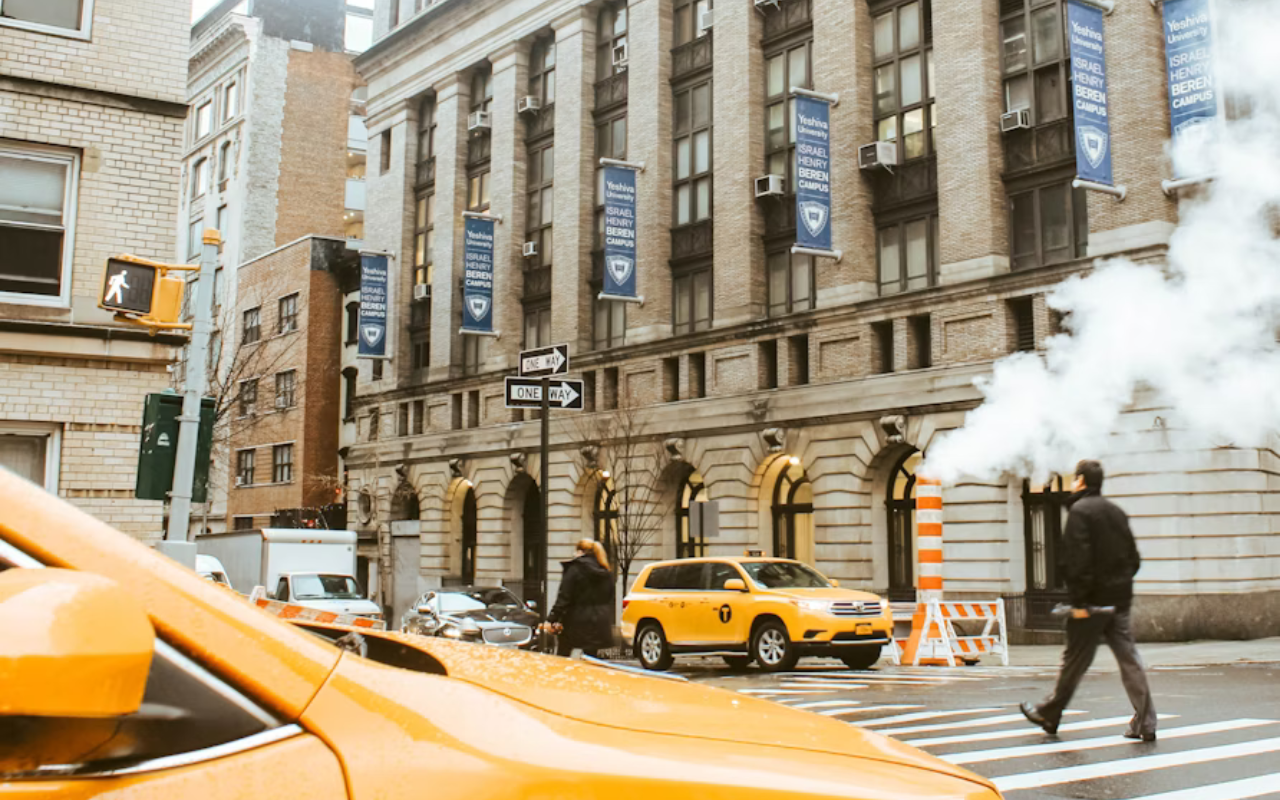
When you land at busy airports or train stations, you might be approached by cab drivers claiming their meters don’t work and asking for an inflated flat rate. These drivers often take advantage of tourists unfamiliar with local fares. To avoid overpaying, always request a fare estimate beforehand and confirm that the meter is functioning properly before the journey begins.
Unexpected ‘Welcome Gifts’ That Come With Strings Attached

Sometimes, a local might greet you with a small token like a bracelet or charm to seem friendly. What looks like a kind gesture can quickly turn sour when they demand payment for the 'gift' and may cause a scene if you refuse. The best response? Politely decline and walk away-these tactics only work if you engage.
Taxi Driver Says Your Hotel Is Shut? Don’t Believe It
If a cabbie tells you your booked hotel is closed or advises you to stay somewhere else, resist the urge to follow their lead. This is a common ploy where lesser hotels pay drivers to bring guests their way, leaving you stuck with inferior lodging. Instead, call your hotel directly to verify and stick to your original plans.
Don’t Get Cheated at Currency Exchanges
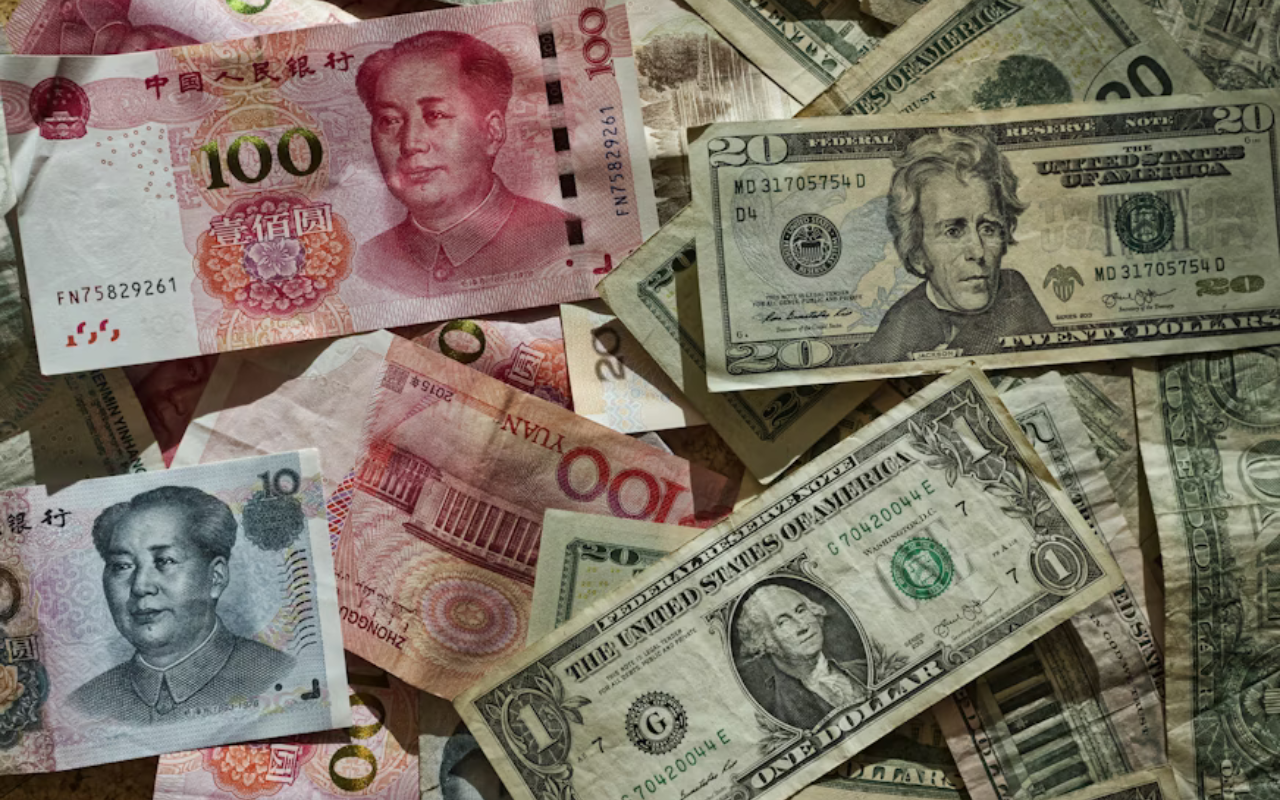
Currency exchange scams are everywhere, from flashy booths with sneaky fees to outright theft. To avoid losing money, only use trustworthy places like banks or official airport exchange counters. Avoid street changers or unverified kiosks that may offer tempting rates but cost you far more in hidden charges or counterfeit bills.
Stay Alert Around ATMs - Scams and Theft Are Common
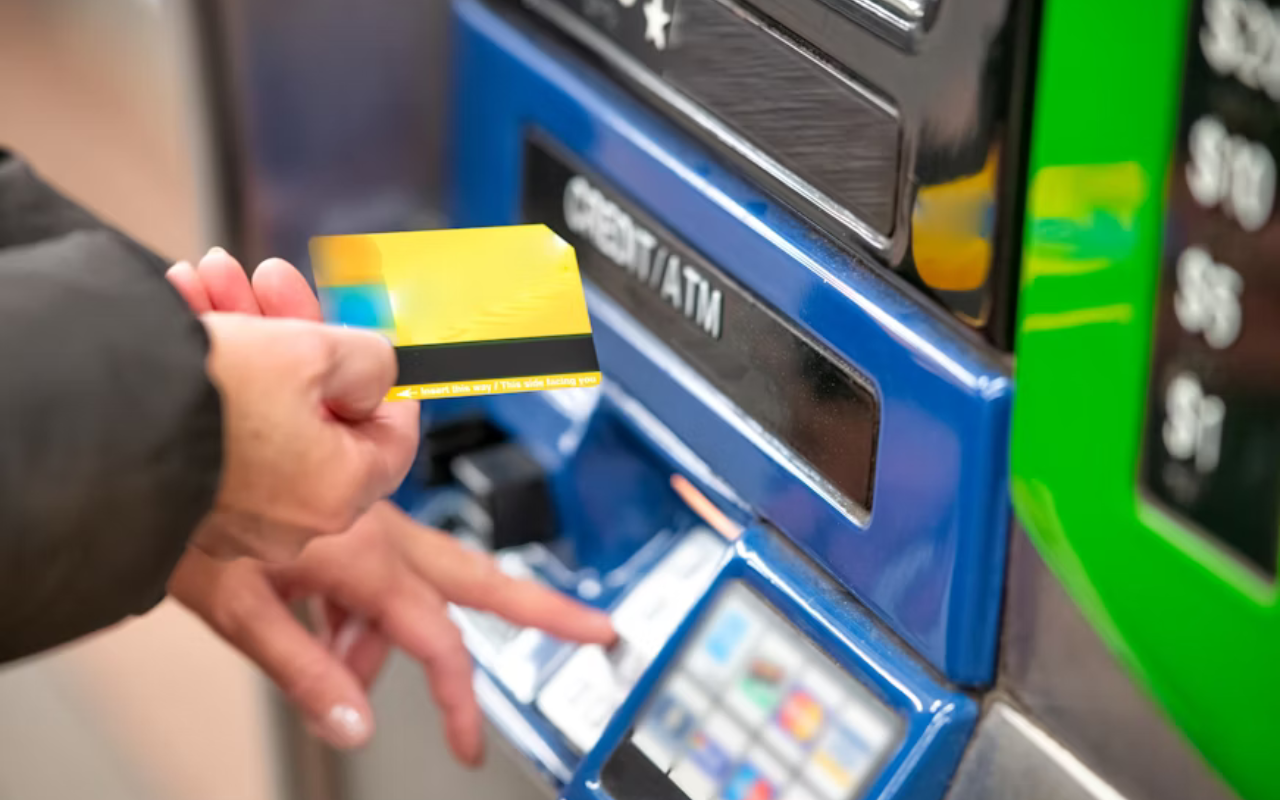
Using an ATM abroad can be risky due to scams or outright robbery. Beware of anyone posing as a helpful bank employee or lurking nearby-they might be waiting to steal your card or cash. If you feel uneasy or notice suspicious behavior, skip that machine and find one at a bank or well-lit, secure location.
Don’t Trust Police Impersonators Without Proper ID
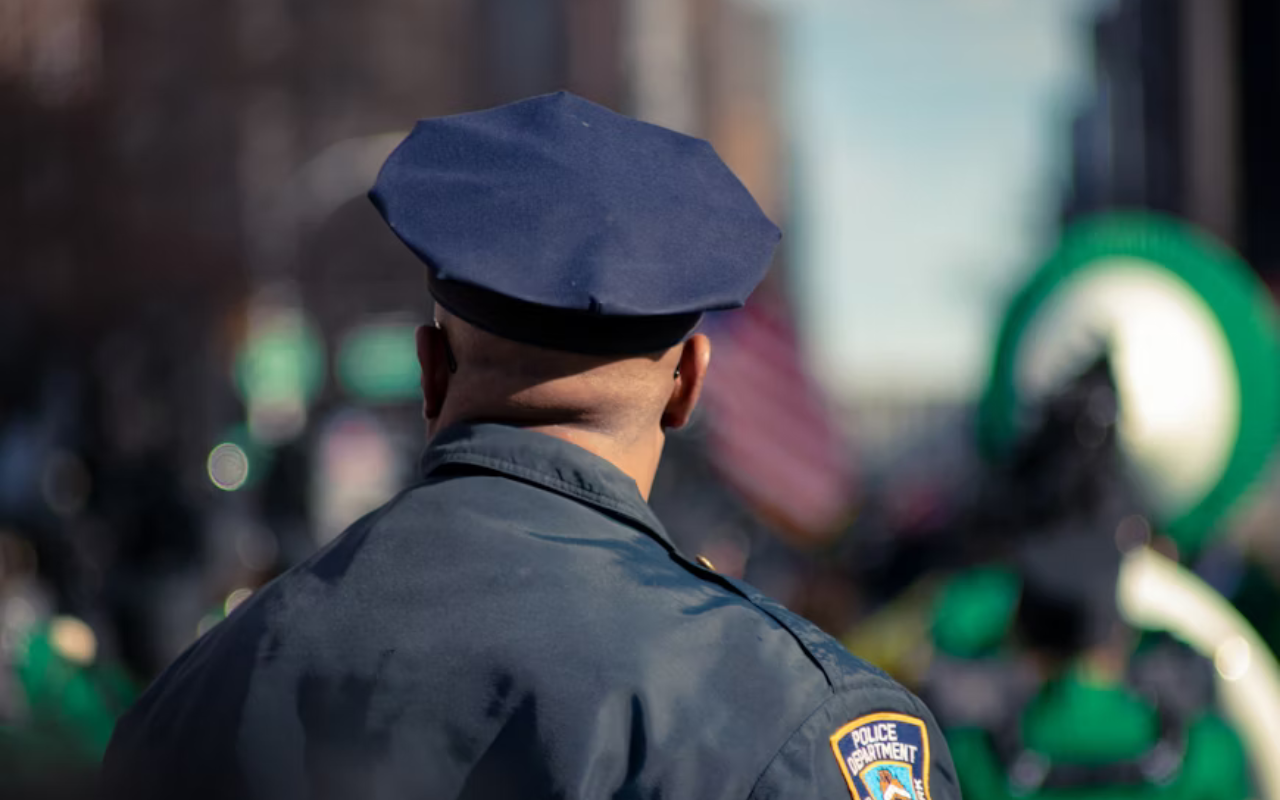
In unfamiliar places, be cautious if someone in plain clothes claims to be a police officer, especially if they demand money on the spot. Always ask for official identification and don’t hesitate to contact the local police station to verify their legitimacy. Remember, genuine officers never require immediate payment for violations.
Markets and Fairs Can Have Overpriced or Fake Goods

While markets are fantastic for soaking up local culture and finding souvenirs, some vendors charge inflated prices or sell low-quality items labeled as artisanal. Always compare prices, examine items closely, and be wary of anything that seems too pricey for what it is. Genuine handmade products stand out from mass-produced goods pushed to maximize profit.
Watch Out for Fake Wi-Fi Networks That Steal Your Info

Public Wi-Fi can be a hacker’s playground. Scammers set up fake networks, especially in cafes or hotels, to intercept your data or inject malware into your device. Whenever possible, avoid connecting to public Wi-Fi and use your own mobile data instead. If you must use Wi-Fi, confirm the network name with staff first and consider using a VPN for extra protection.
Be Cautious About Accepting Help with Your Luggage
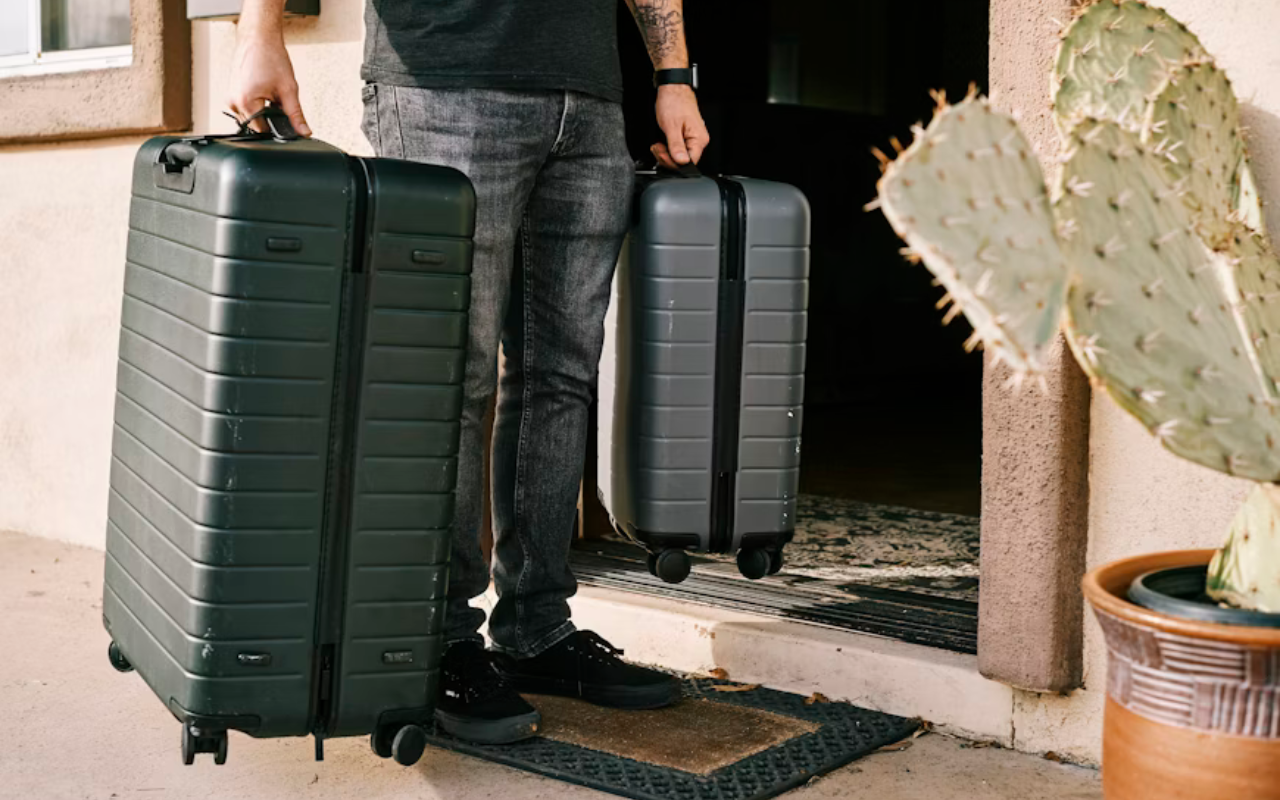
While it may seem polite to accept assistance with your bags, especially when arriving or departing, this can backfire. You might be pressured for an excessive tip, or worse, a thief could seize the opportunity to steal your belongings. Keep control of your bags yourself, especially if they contain valuables or sensitive items.
Avoid Falling for Fake or Devalued Currency Schemes
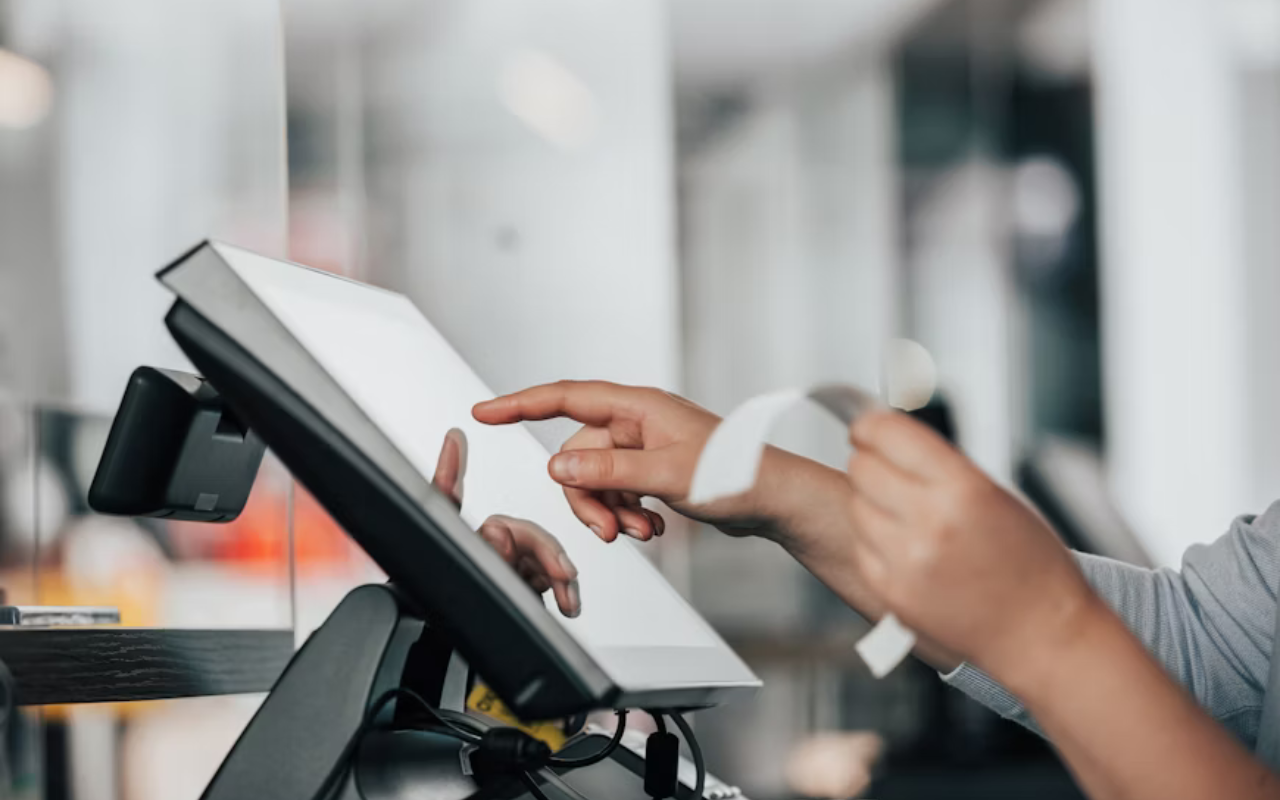
Scammers often target travelers during big transactions, slipping counterfeit notes or bills of lesser value into the mix. It pays to be vigilant-take your time, inspect the money carefully, and familiarize yourself with genuine currency features before spending. Don’t rush, especially if you’re unfamiliar with local cash.
Don’t Let Gas Station Distractions Cost You Dearly
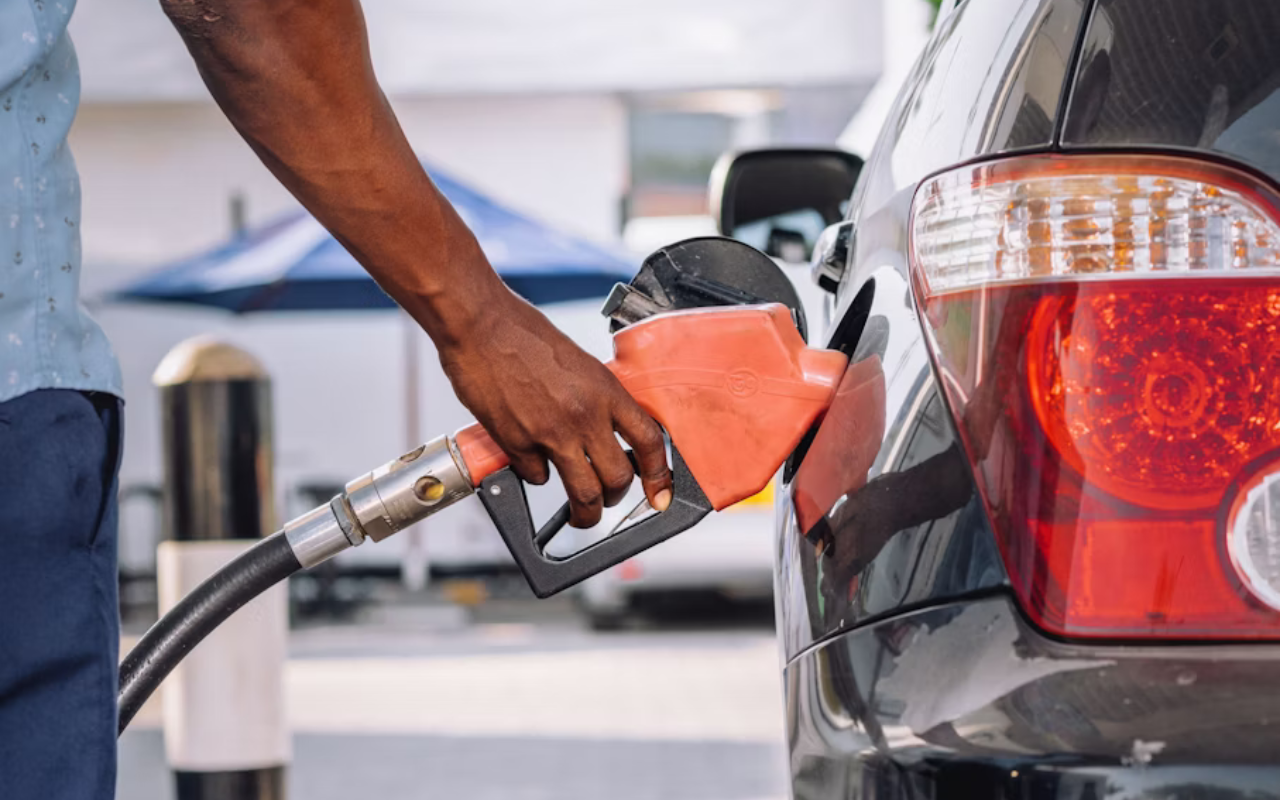
At gas stations, thieves sometimes create distractions like pointing out a supposed flat tire to divert your attention. While you’re focused elsewhere, an accomplice could steal your purse, wallet, or even your vehicle. Stay alert, keep your belongings close, and don’t let anyone near your car without your knowledge.
Keep an Eye Out for Quick Pickpockets in Crowds
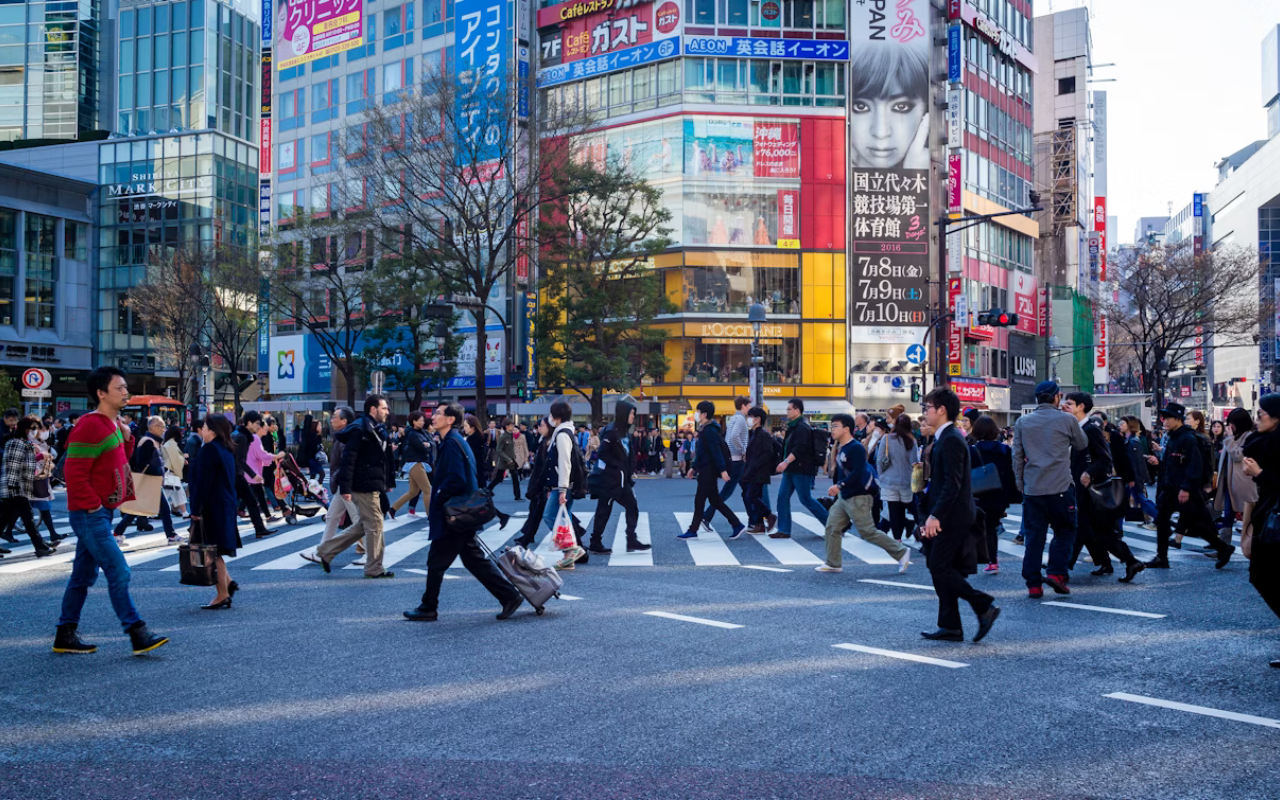
Pickpocketing is a nightmare for travelers, especially in crowded spots where it happens in a flash. Since catching pickpockets is tough, your best defense is to secure your valuables tightly and only carry what you absolutely need. Use anti-theft bags and stay mindful of your surroundings to reduce risk.
Think Twice Before Handing Your Camera to Strangers

Asking a stranger to snap your photo may seem harmless, but it can lead to trouble. Some will demand payment afterward or even run off with your camera. Instead, rely on trustworthy people like your tour guide, hotel staff, or fellow travelers to capture your memories safely.
Avoid Picking Up Lost Phones or Wallets on the Street
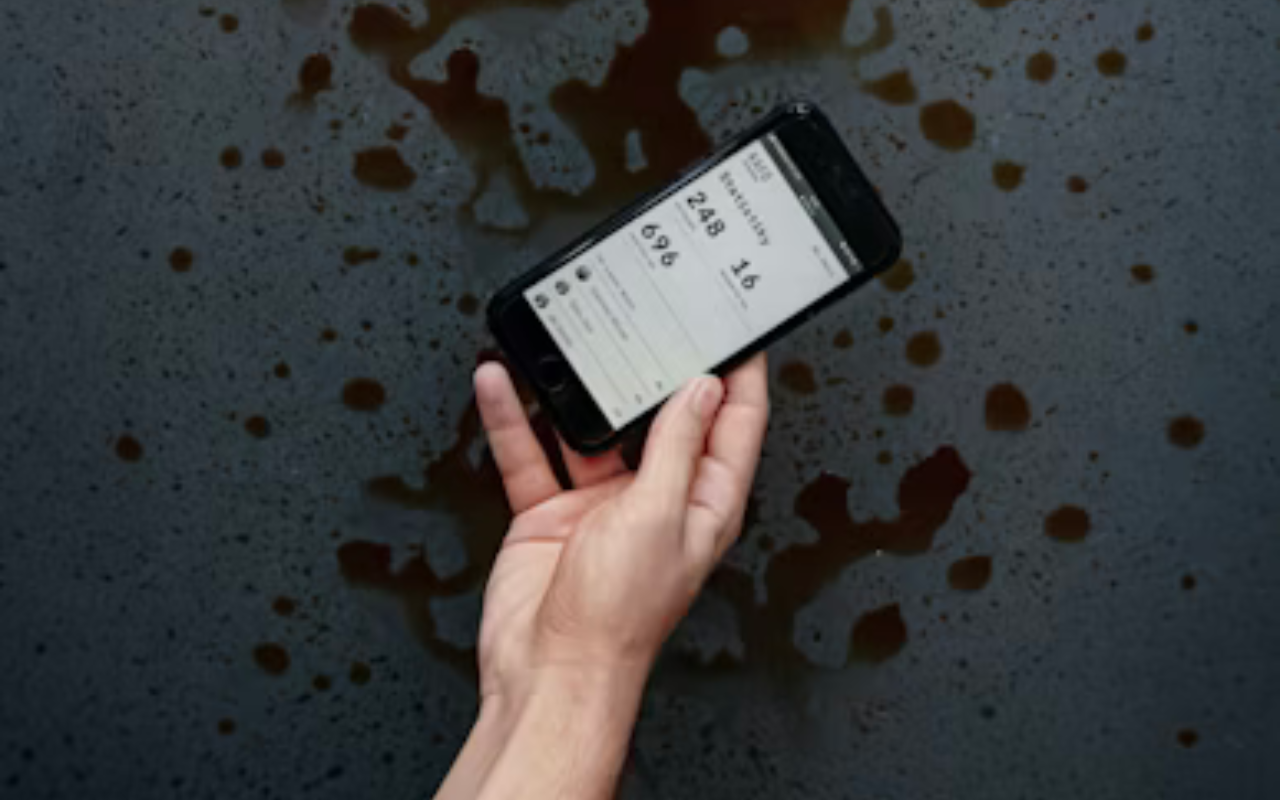
If you spot someone dropping a phone or wallet, resist the urge to grab it yourself-even to return it. Point out the item to the owner instead, because scammers may accuse you of theft or damage, pressuring you into paying money to settle the bogus claim. It’s safer to stay hands-off and alert the person.
Verify Your Ride-Share Before Getting In
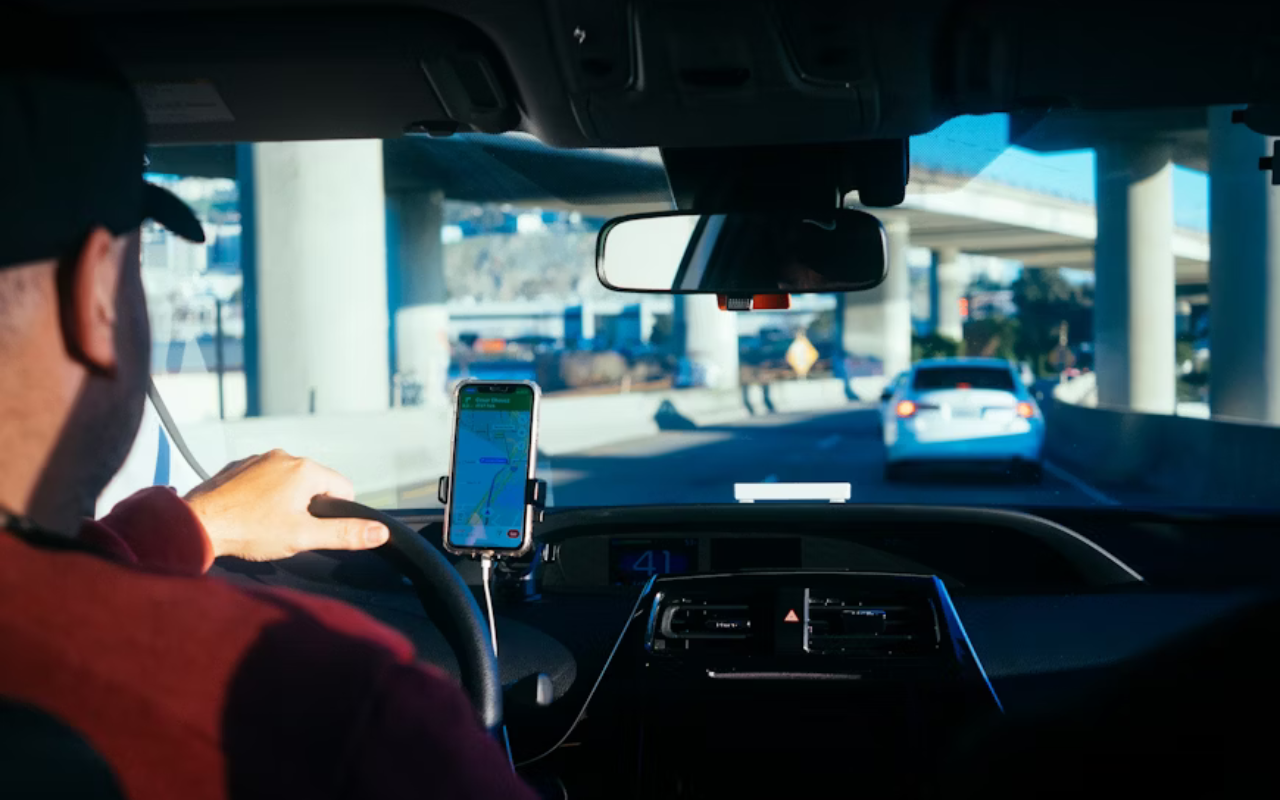
Fake ride-share drivers pose serious risks, from overcharging to dangerous situations like kidnapping or extortion. Always double-check the car’s license plate, driver’s photo, and ride details before hopping in. If anything feels off, cancel the ride and arrange transport through official apps or trusted providers.
Free Spa Samples May Lead to Pressure Sales

Spas and other businesses sometimes offer complimentary samples to lure you in, only to pressure you into buying pricey products or treatments afterward. The best move? Politely decline these freebies and avoid getting drawn into high-pressure sales. Book services only through reputable sources and at your own pace.
Don’t Fall for Beggars Using Emotional Manipulation

While it’s natural to want to help those in need, some beggars target tourists with sob stories or use children to pull at your heartstrings, hoping for donations. These appeals might be scams. If you’re feeling generous, donate to established charities that can genuinely make a difference instead of giving money directly on the street.
Say No to ‘Free’ Drinks Offered by Strangers

A complimentary drink can be a sneaky trick, designed to lure you into spending more money or entering a particular venue. Worse, such drinks could be spiked, putting your safety at risk. To stay safe, politely refuse unsolicited drinks and always order your own from trusted sources.
Watch Out for Restaurants with Two Different Menus

Some eateries present separate menus: one for locals with normal prices and another inflated one targeting tourists. Since the tourist menu often hides extra fees, it’s hard to spot unless you see both versions. Do some research on local dining costs beforehand and keep an eye on your bill to avoid overpaying.
Don’t Pay Strangers for Sightseeing Advice

Encountering a random person claiming to be a tour guide might seem convenient, but these individuals often charge exorbitant fees and don’t deliver quality experiences. To make your tours worthwhile, book through trusted travel agencies or your hotel concierge, ensuring a safe and informative outing.
This article was written by Hunter and edited with AI assistance. The Daily Dive travel desk uses AI-assisted visuals and content that were reviewed and approved by our editors prior to publication.