
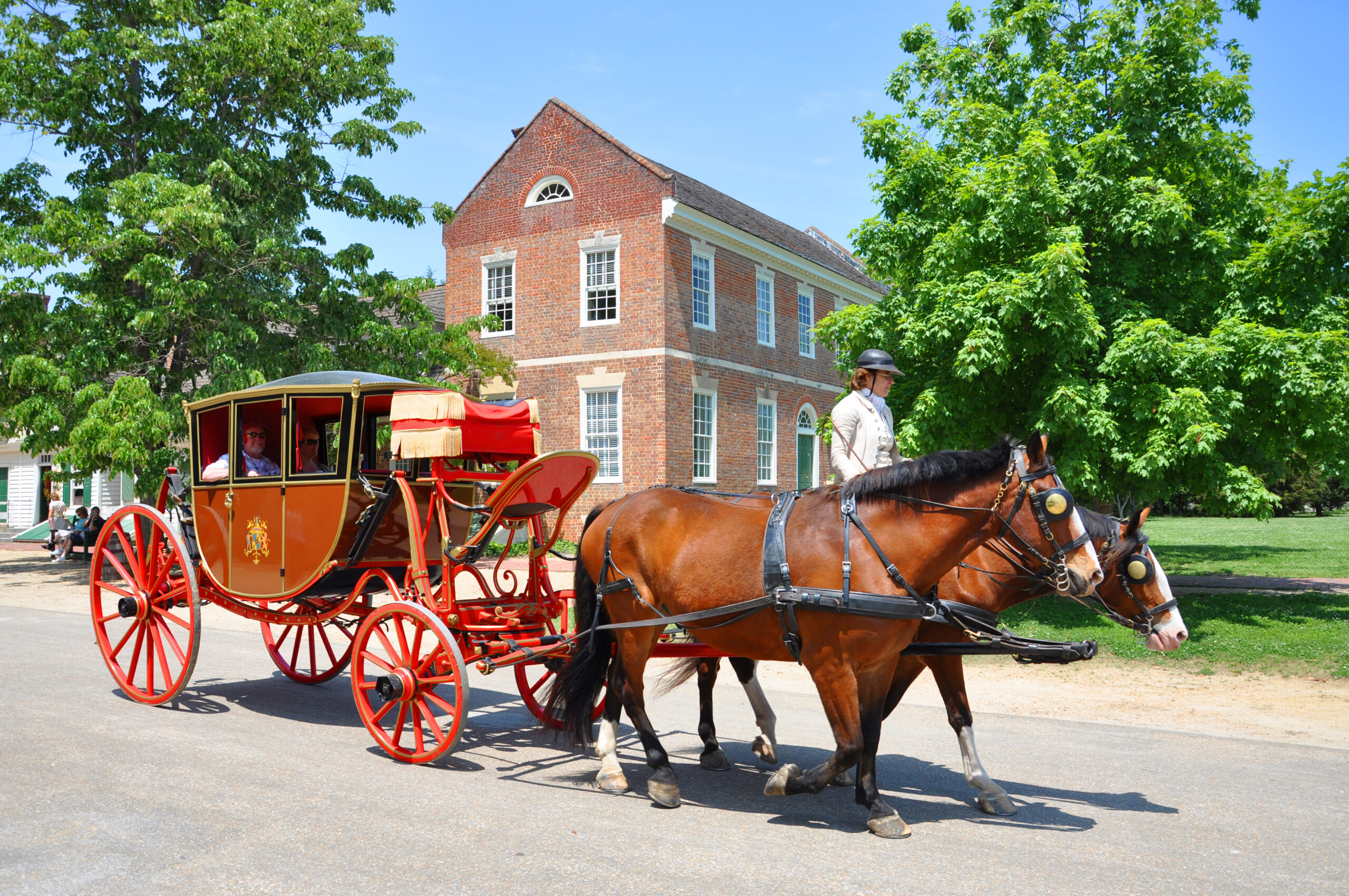

Stepping into certain cities can whisk you back in time, straight into the heart of the 1800s. These places have managed to preserve their architecture, culture, and charm, offering a unique glimpse into a world that seems far removed from the modern era. Imagine walking down cobblestone streets, surrounded by buildings that have stood the test of time, and experiencing a pace of life that's markedly slower and more deliberate.
1. Williamsburg, Virginia (A Revolutionary Experience)

Williamsburg isn't just stuck in the 1800s; it's a living, breathing museum dedicated to the American Revolutionary period. Actors in period costumes stroll the streets, engaging with visitors and offering insights into colonial life. The meticulous preservation of buildings and the attention to historical detail make it easy to imagine you've time-traveled. From the blacksmith's forge to the wig maker's shop, every corner of Williamsburg is designed to educate and enchant. It's a place where history doesn't just feel alive; it actively engages with you.
2. Tombstone, Arizona (The Town Too Tough To Die)

Tombstone, Arizona, is synonymous with the Wild West. This town, famous for the O.K. Corral gunfight, keeps the spirit of the 1880s alive with its preserved saloons, courthouses, and dusty streets. Visitors can watch reenactments of the infamous shootout, immerse themselves in the legends of Wyatt Earp and Doc Holliday, and even enjoy a drink at a saloon that once served real cowboys. The wooden sidewalks and historical markers throughout the town help paint a vivid picture of frontier life. Tombstone offers an unfiltered glimpse into the lawless heart of the American West.
3. Sovereign Hill, Ballarat, Australia (A Gold Rush Boomtown)

In the heart of Victoria, Australia, lies Sovereign Hill, a meticulously recreated 1850s gold mining town. Visitors can pan for real gold in the creeks, ride in horse-drawn carriages, and watch as artisans craft goods using centuries-old techniques. The town is brought to life by actors in period costume, engaging visitors with tales of the gold rush era. At night, the streets light up with a spectacular sound and light show that tells the story of the Eureka Rebellion. Sovereign Hill offers a hands-on history lesson in Australia's golden era, making it a must-visit for those wanting to experience life in the 1800s.
4. Edinburgh, Scotland (A Walk through Auld Reekie)

Edinburgh, with its ancient buildings and historic wynds, feels like a city frozen in time. The Old Town's medieval street plan and the 18th-century New Town together are listed as a UNESCO World Heritage site, showcasing architectural and urban planning marvels of their times. Walking down the Royal Mile, visitors can explore historic sites like Edinburgh Castle, St. Giles' Cathedral, and the Palace of Holyroodhouse. The city's dark and tumultuous history is recounted through ghost tours and visits to underground vaults. Edinburgh elegantly combines its storied past with a vibrant present, making it a timeless destination.
5. Ouro Preto, Brazil (A Colonial Gem)

Ouro Preto, a former colonial mining town in the heart of Brazil, stands as a testament to Baroque architecture. The city's churches, bridges, and fountains, crafted from the wealth of gold mines, offer a picturesque view into the 18th century. Art enthusiasts will appreciate the works of Aleijadinho, a master sculptor and architect whose pieces adorn much of the town. The steep, cobbled streets and the preserved colonial buildings provide a dramatic backdrop for the annual Holy Week celebrations, which are among the most vibrant in the world. Ouro Preto offers a unique blend of cultural heritage and natural beauty, making it a fascinating step back in time.
6. Pingyao, China (An Ancient Walled City)

Pingyao, in Shanxi Province, China, is an exceptionally well-preserved example of a traditional Han Chinese city from the Ming and Qing dynasties. Surrounded by its ancient city wall, Pingyao retains its city layout from the Ming dynasty, complete with traditional residences and streets. The city is also home to the Rishengchang Exchange Shop, considered the first bank in China, reflecting its historical importance in Chinese financial history. Visitors can explore ancient temples, shop in traditional markets, and stay in centuries-old guesthouses. Pingyao offers a rare look into China's imperial past, untouched by modernity.
7. Deadwood, South Dakota (Wild West Legends Live On)

Deadwood, South Dakota, is steeped in the lore of the Wild West. This National Historic Landmark has preserved its 19th-century charm with original architecture, reenacted gunfights, and saloon tours that tell tales of legendary figures like Wild Bill Hickok and Calamity Jane. The entire city is a throwback to the days of gold prospecting, poker games in dimly lit rooms, and lawless frontier justice. Modern casinos now occupy historic buildings, blending the old with the new. Deadwood's rich history and ongoing efforts to preserve its Wild West heritage make it a unique blend of past and present.
8. Cuenca, Ecuador (A Colonial High-Altitude Haven)

Cuenca, Ecuador, with its cobblestone streets, colonial parks, and stunning cathedrals, offers a serene glimpse into South American life in the 1800s. The city's historic center is a UNESCO World Heritage site, celebrated for its many historical buildings untouched by modern-day alterations. Artisan markets, traditional hat workshops, and colonial-era festivals fill the streets with color and life. Surrounded by the Andean mountains, Cuenca is not only a feast for the eyes but also a hub for adventurers looking to explore nearby Inca ruins and national parks. It's a city where the past and present coexist beautifully, offering something for history buffs and nature lovers alike.
9. Harpers Ferry, West Virginia (A Confluence of American History)

Harpers Ferry sits at the picturesque meeting of the Potomac and Shenandoah rivers. It's a town whose streets have witnessed pivotal moments in American history, from John Brown's raid to pivotal Civil War battles. The town is part national park, with historical buildings, museums, and trails that tell the story of its past. Visitors can explore the scenic beauty of the surrounding area through hiking or rafting, adding an adventurous twist to their historical journey. Harpers Ferry offers a unique combination of natural beauty and historical significance, making it a captivating destination for anyone interested in America's past.
10. L’viv, Ukraine (A Time Capsule of Cultures)

L'viv, Ukraine, is a city where Eastern European history is palpable in its narrow medieval streets, filled with Renaissance, Baroque, and Gothic buildings. The city center, a UNESCO World Heritage site, is a testament to the many layers of L’viv’s past, influenced by Polish, Austrian, Jewish, and Ukrainian cultures. From the ornate Opera House to the historic High Castle Hill, which offers panoramic views of the city, L’viv is a treasure trove of historical gems. The city’s coffee houses and chocolate shops add a sweet touch to the exploration of its rich cultural heritage. L'viv is a vibrant, living museum of European history, offering an immersive journey through time.
11. Savannah, Georgia (Southern Charm Preserved)

Savannah, Georgia, enchants visitors with its beautifully preserved historic district, Spanish moss-covered trees, and leisurely pace. The city's 22 squares, each offering a lush, green oasis, are surrounded by stately homes and churches dating back to the 18th and 19th centuries. Guided tours by horse-drawn carriage or on foot reveal stories of ghosts and historic figures who once walked these streets. Savannah's rich culinary scene, with dishes steeped in southern tradition, offers a taste of the past. This city is a perfect blend of history, culture, and charm, inviting visitors to step back in time while enjoying the comforts of the present.
12. San Miguel de Allende, Mexico (A Colonial Masterpiece)

San Miguel de Allende is a visual feast of colonial architecture, vibrant street markets, and art-filled public spaces. The city’s historic center, a UNESCO World Heritage site, is a colorful tapestry of well-preserved buildings from the 17th and 18th centuries, cobblestone streets, and baroque churches. Artisans sell their crafts, musicians fill the air with song, and local festivals bring tradition to life. The city's temperate climate and striking sunsets add to its allure, making it a favorite among artists and writers. San Miguel de Allende is a living museum where every street and building tells a story, offering a rich cultural experience.
13. Bruges, Belgium (A Medieval Fairy Tale)

Bruges is often called a medieval fairy tale town, and it's easy to see why. Its well-preserved medieval architecture, including the famous Belfry of Bruges and the Basilica of the Holy Blood, transport visitors back to a time of knights and legends. The city's canals, dubbed the Venice of the North, offer picturesque boat tours that provide unique views of ancient buildings and quiet, cobblestone streets. Bruges is also known for its lace making, chocolate shops, and breweries, each adding layers of sensory delight to the historical exploration. It's a place where the past is not just preserved; it's a part of everyday life.
14. Bath, England (Georgian Elegance Unchanged)

Bath, England, is a city that seamlessly blends natural beauty with architectural elegance. Known for its Roman-built baths and stunning Georgian architecture, Bath has been a place of relaxation and renewal since ancient times. The Royal Crescent, Circus, and Pulteney Bridge are just a few examples of its architectural marvels that have remained largely unchanged for centuries. The city's commitment to preserving its historical sites, alongside its vibrant cultural scene, makes it a timeless destination. Bath offers an enchanting journey through history, culture, and natural beauty, all set against the backdrop of the rolling English countryside.
15. Antigua Guatemala (A Mosaic of History and Volcanoes)

Antigua Guatemala, with its colonial architecture and cobblestone streets, sits in the shadow of three majestic volcanoes. This UNESCO World Heritage site is famed for its well-preserved Spanish Baroque-influenced buildings and the ruins of colonial churches. The city's vibrant marketplaces and colorful festivals blend seamlessly with its historic fabric, offering a lively cultural experience. Antigua's beauty is matched by its adventurous opportunities, from hiking up volcanoes to exploring nearby coffee plantations. It's a city where history, culture, and natural beauty converge, offering a dynamic and enriching experience.
16. Galle, Sri Lanka (A Fortified Time Capsule)

Galle, Sri Lanka, is best known for its massive fort, a remnant of Dutch colonialism, which has withstood the test of time. Inside the fort's walls, narrow streets are lined with buildings that mix Dutch architecture with South Asian touches, reflecting the city's multicultural past. Art galleries, boutique shops, and cafes occupy these historic buildings, offering a contemporary twist on traditional spaces. The fort's ramparts offer stunning views of the Indian Ocean and the city's lighthouse, making for a picturesque sunset stroll. Galle is a place where history is not just preserved in museums but is a living part of the city's fabric.
17. Quebec City, Canada (A Slice of Europe in North America)

Quebec City stands out as a piece of European charm in Canada, with its 17th and 18th-century buildings, fortified walls, and narrow streets. The historic district of Old Quebec, a UNESCO World Heritage site, is the only walled city north of Mexico, offering a unique glimpse into the continent's colonial past. The Château Frontenac, towering above the city, serves as a grand reminder of Quebec's rich history and cultural heritage. French is the lingua franca, adding to the European vibe as visitors indulge in the city's famed cuisine and lively festivals. Quebec City merges history, culture, and modernity, making it a captivating destination year-round.
18. Bhaktapur, Nepal (A Living Heritage City)

Bhaktapur, one of Nepal's Royal Cities, is renowned for its preserved medieval art and architecture. The city's Durbar Square is a showcase of ancient temples, palaces, and courtyards, earning it a place as a UNESCO World Heritage site. Local artisans can be seen crafting pottery and intricate wood carvings, continuing traditions that have been passed down for centuries. Bhaktapur's pedestrian-friendly streets and absence of modern vehicles enhance its historic atmosphere. It's a city where the past lives on, offering visitors a profound connection to Nepal's rich cultural heritage.
19. Bergen, Norway (A Gateway to the Viking Age)

Bergen, with its colorful wooden houses, narrow cobblestone streets, and historic Bryggen wharf, feels like a gateway to the past. The Bryggen area, a UNESCO World Heritage site, displays the city's importance as part of the Hanseatic League's trading empire in the 14th to the 16th century. Visitors can explore the Hanseatic Museum to understand Bergen's maritime history and its role in the Viking Age. Surrounded by mountains and fjords, the city also serves as a starting point for nature lovers looking to explore Norway's breathtaking landscapes. Bergen perfectly blends its historical roots with the natural beauty of the surrounding area, offering a unique Norwegian experience.
20. Charleston, South Carolina (Antebellum Elegance)

Charleston, South Carolina, is the epitome of Southern charm and antebellum elegance. Its historic district is filled with well-preserved mansions, cobblestone streets, and lush gardens that tell the story of the city's wealthy past. Guided tours offer insights into Charleston's role in American history, from the early colonial days through the Civil War. The city's culinary scene, rooted in Lowcountry cuisine, provides a delicious exploration of its cultural heritage. Charleston is a city where history is celebrated, preserved, and lived, offering visitors a deeply enriching experience.
This article was written by a human and edited with AI Assistance