
2026 marks an exciting year to explore iconic American monuments, from historic battle sites to natural wonders and celebrated landmarks all across the country. These 20 must-see spots offer rich stories, vibrant events, and unforgettable experiences for travelers.
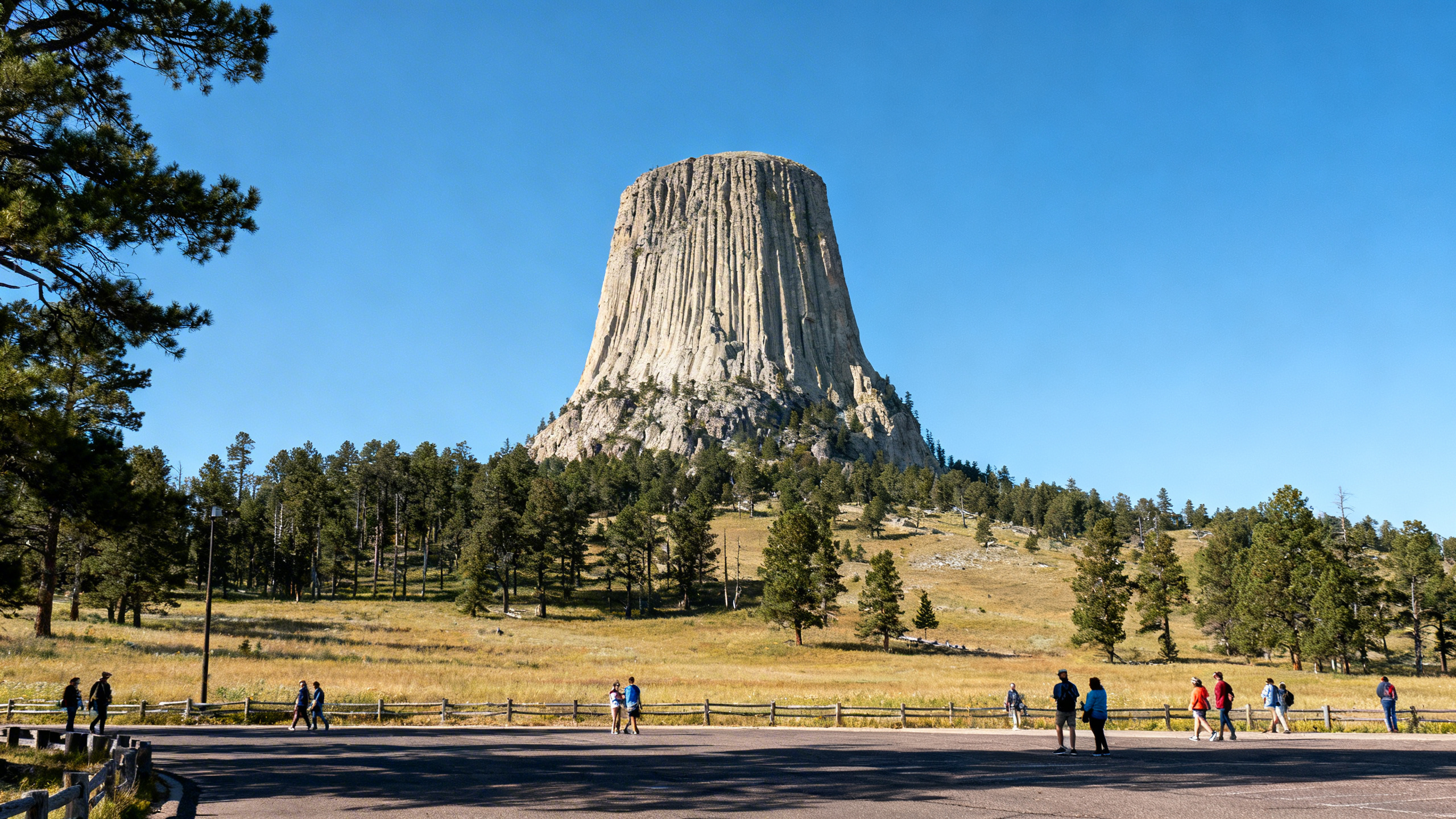
1. Devils Tower National Monument, Wyoming
This striking natural monument in northeastern Wyoming was the first declared United States national monument. Visitors can hike various trails around the base to admire the rock’s unique columnar formations and watch the prairie dog towns nearby. The Devils Tower Visitor Center offers exhibits on both geology and Native American cultural significance. Camping is available nearby for those wanting to catch sunset and sunrise views. Spring through early fall is the best time to visit when trails are accessible and wildlife active.
2. Lincoln Memorial, Washington DC
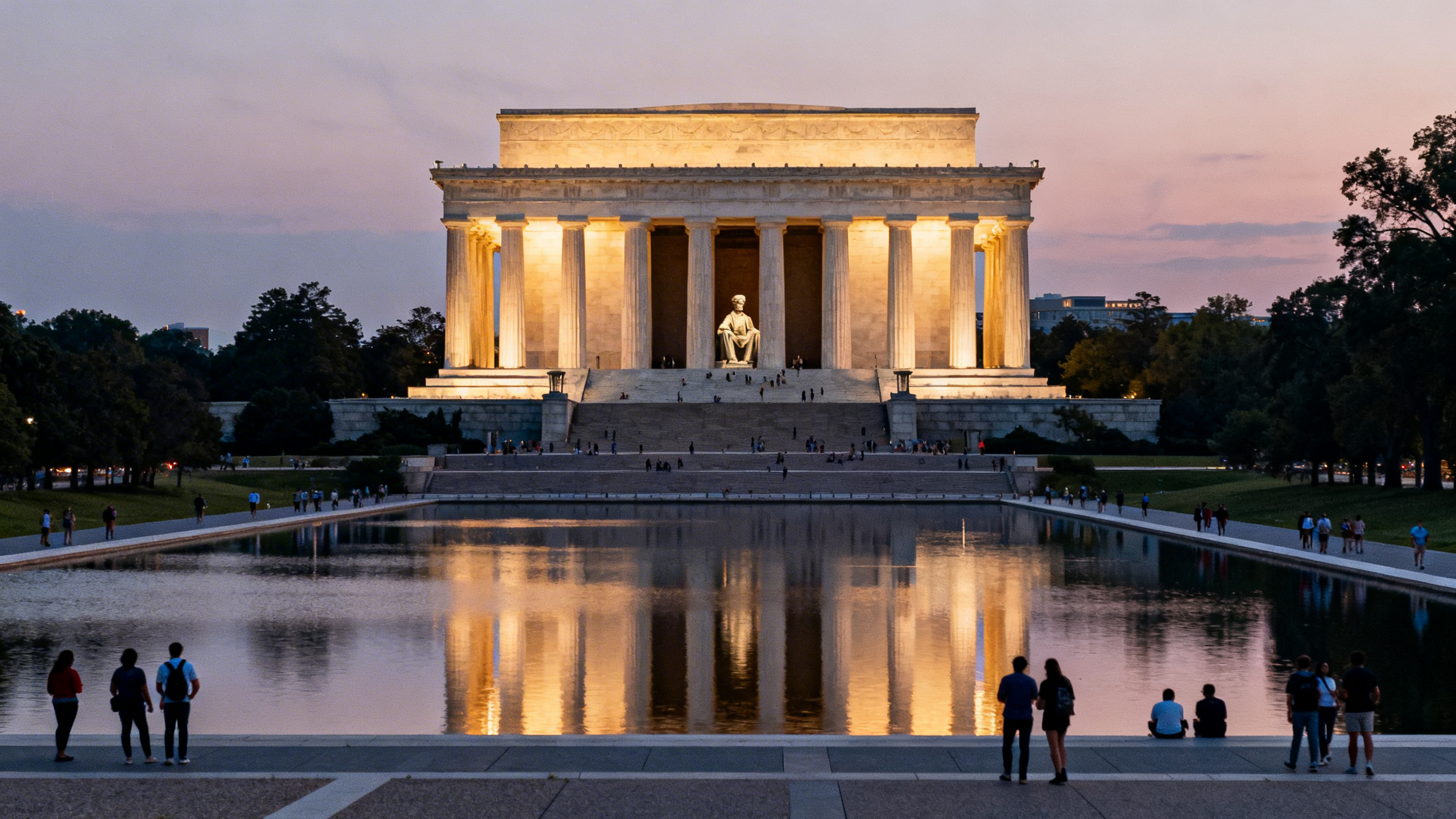
Sitting at the western end of the National Mall, the Lincoln Memorial honors the 16th president of the United States with a commanding statue and inscriptions of his speeches. Visitors should plan an evening visit to enjoy cooler temperatures and impressive lighting. Nearby attractions include the Vietnam Veterans and Korean War Memorials. Entry is free, and weekdays tend to be less crowded. Don’t miss the view back down the National Mall towards the Washington Monument.
3. Washington Monument, Washington DC
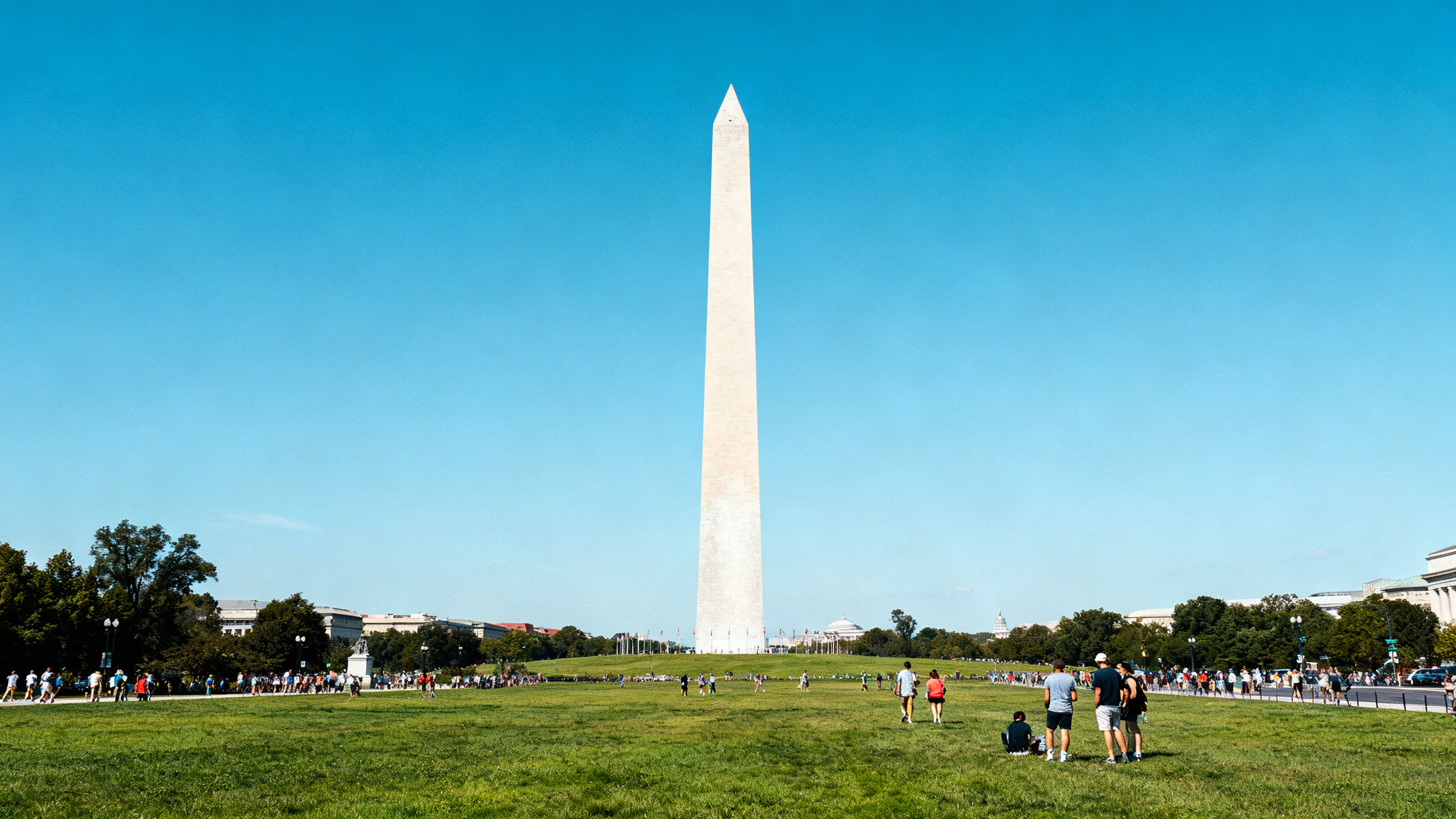
One of the most recognizable American monuments, the Washington Monument offers an observation deck with panoramic views of the capital. Tickets for the elevator ride are free but require advance reservation, especially in 2026 when demand is high for the country’s 250th anniversary. Visiting early morning reduces wait times. The monument grounds are perfect for a picnic or stroll after exploring nearby Smithsonian museums.
4. Mount Vernon, Virginia
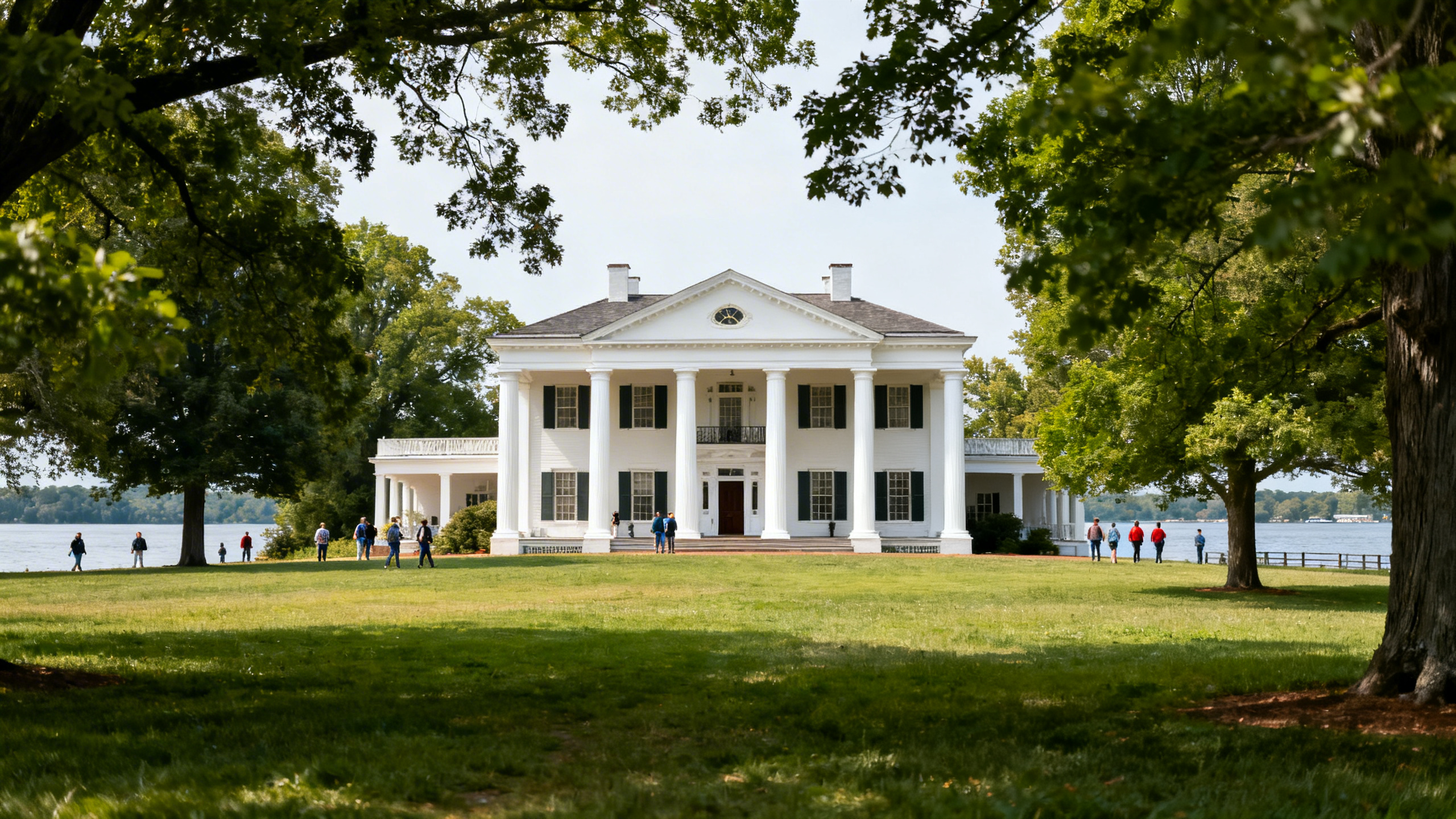
George Washington’s historic estate offers visitors a chance to walk through a reconstructed Revolutionary War encampment and explore the plantation house. Special 2026 events include colonial-themed balls and concerts. Guided tours shed light on the daily lives of the Washington family and enslaved workers. The estate is open year-round, with spring to fall being the most popular seasons for outdoor tours and riverfront views.
5. Statue of Liberty National Monument, New York
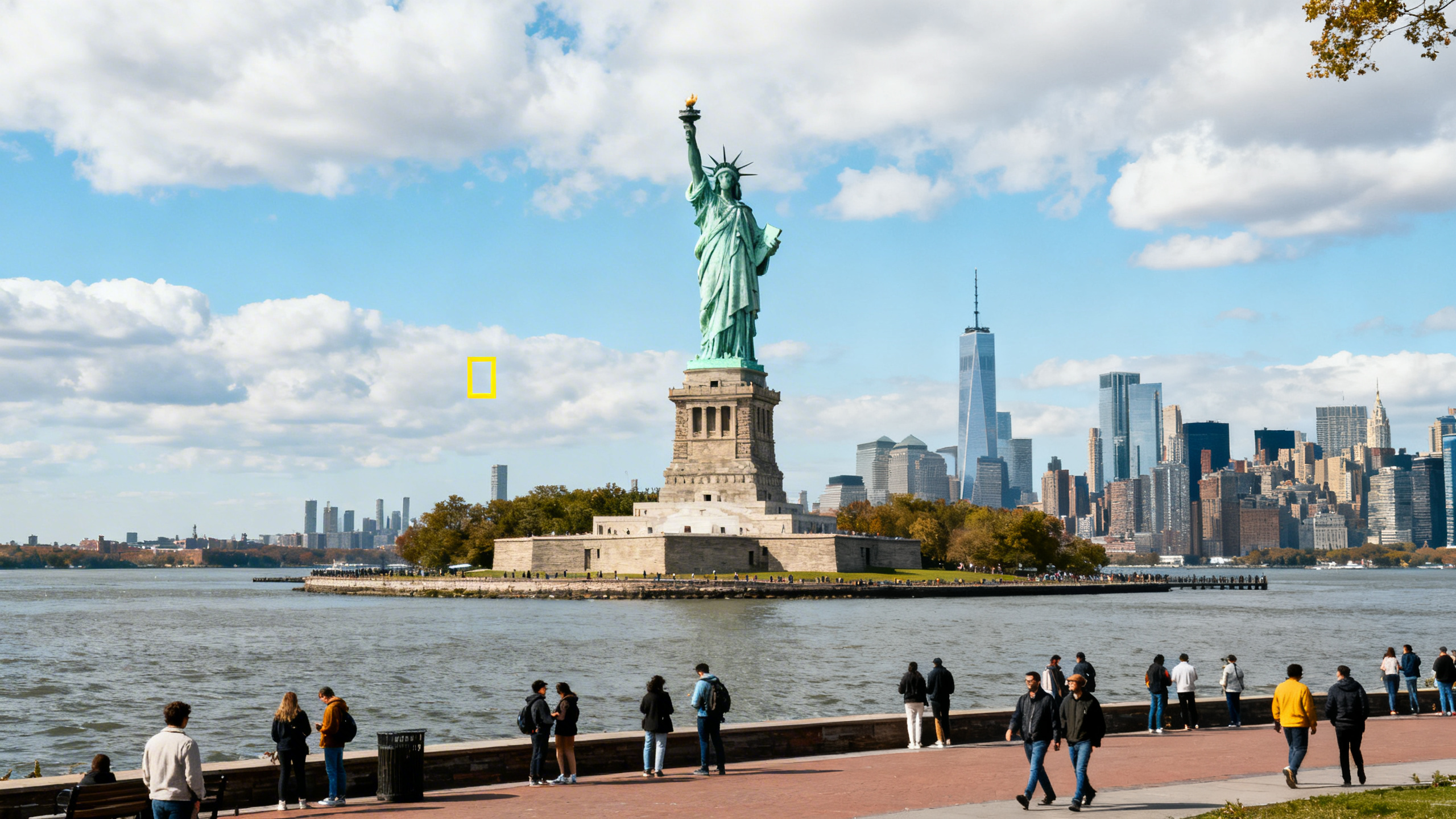
Symbolizing freedom, the Statue of Liberty draws millions of visitors yearly. In 2026, new visitor center exhibits celebrate America’s 250th anniversary. To avoid long lines, book ferry tickets in advance and opt for early morning trips. Climbing to the crown requires special passes and is limited. Afterward, explore nearby Ellis Island’s Immigration Museum to complete the historic experience.
6. Mount Rushmore National Memorial, South Dakota
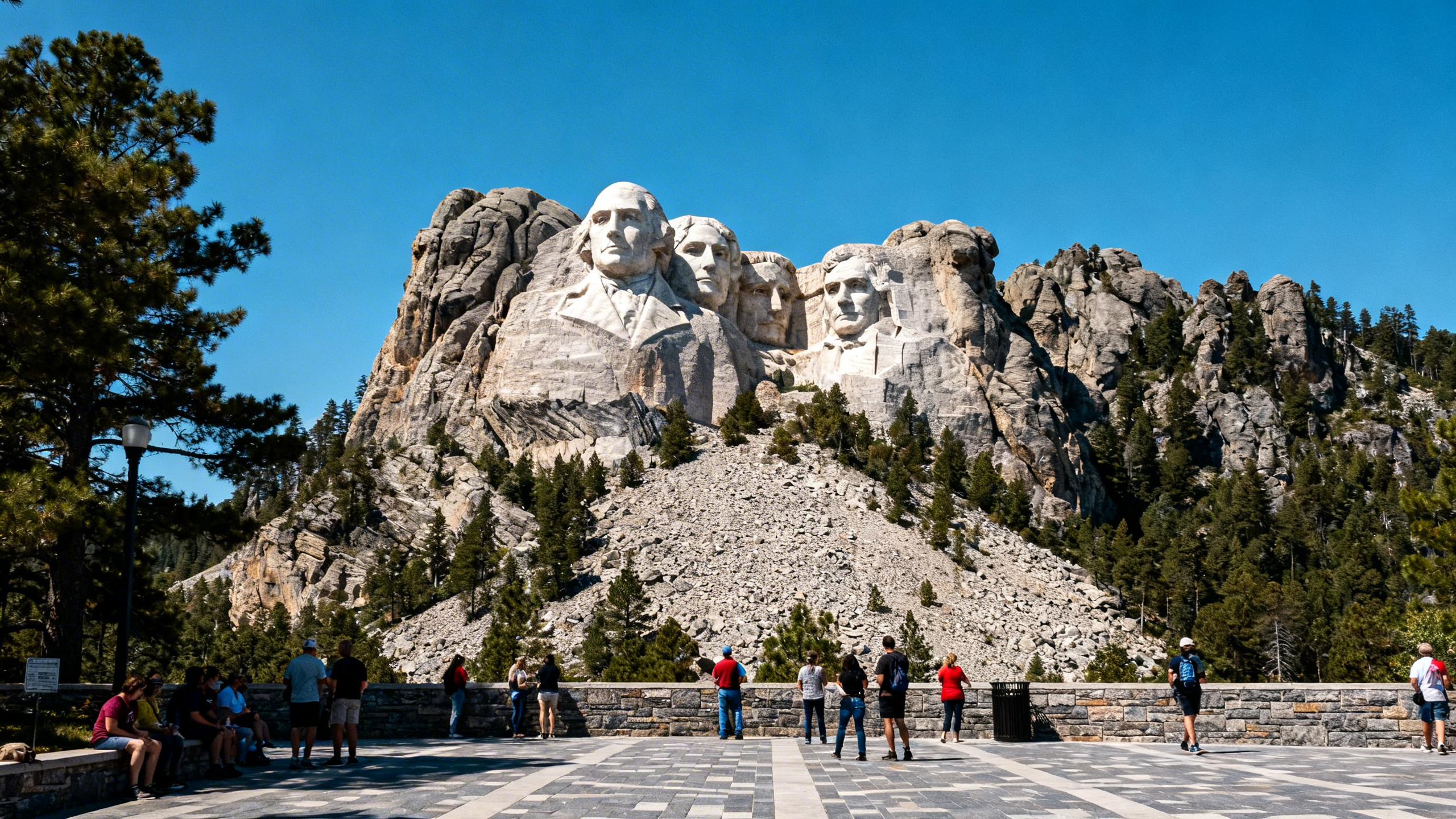
Mount Rushmore’s monumental sculpture is an essential American landmark. The site features a walking trail and an amphitheater hosting nightly lighting ceremonies in summer. Visitor centers provide interactive exhibits about the monument’s creation. Planning a visit early or late in the day helps avoid peak crowds. Nearby Black Hills attractions make for great day trips.
7. Plymouth Rock, Massachusetts
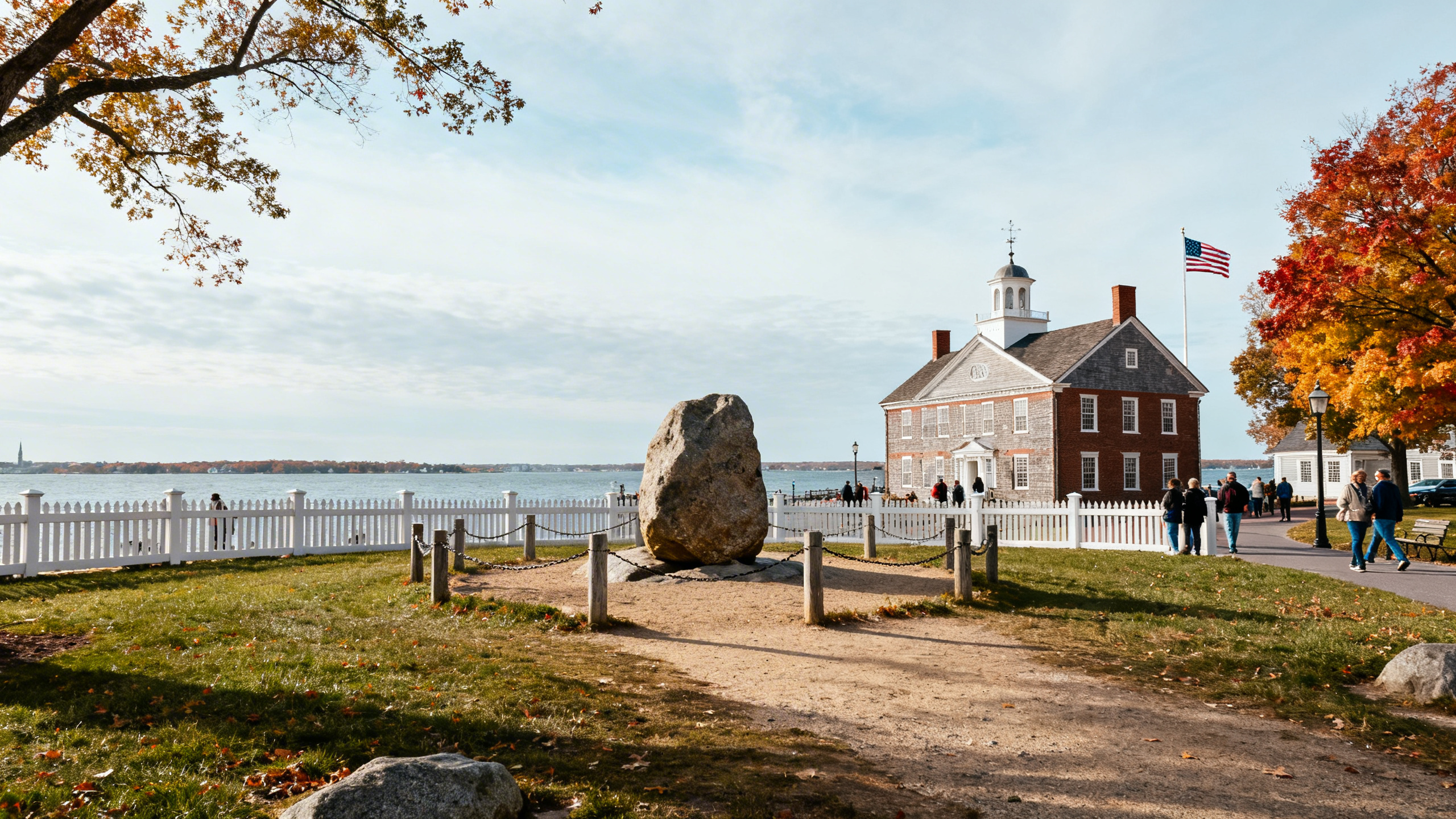
This modest granite boulder marks where Pilgrims first landed in 1620, a cornerstone of American history. The site has a modest visitor center and offers nearby historical reenactments during peak spring and fall seasons. Plymouth is also close to Plimoth Patuxet Museums, which provide immersive early colonial life experiences. Visiting during off-peak times offers a quieter and reflective atmosphere.
8. Independence National Historical Park, Philadelphia, Pennsylvania
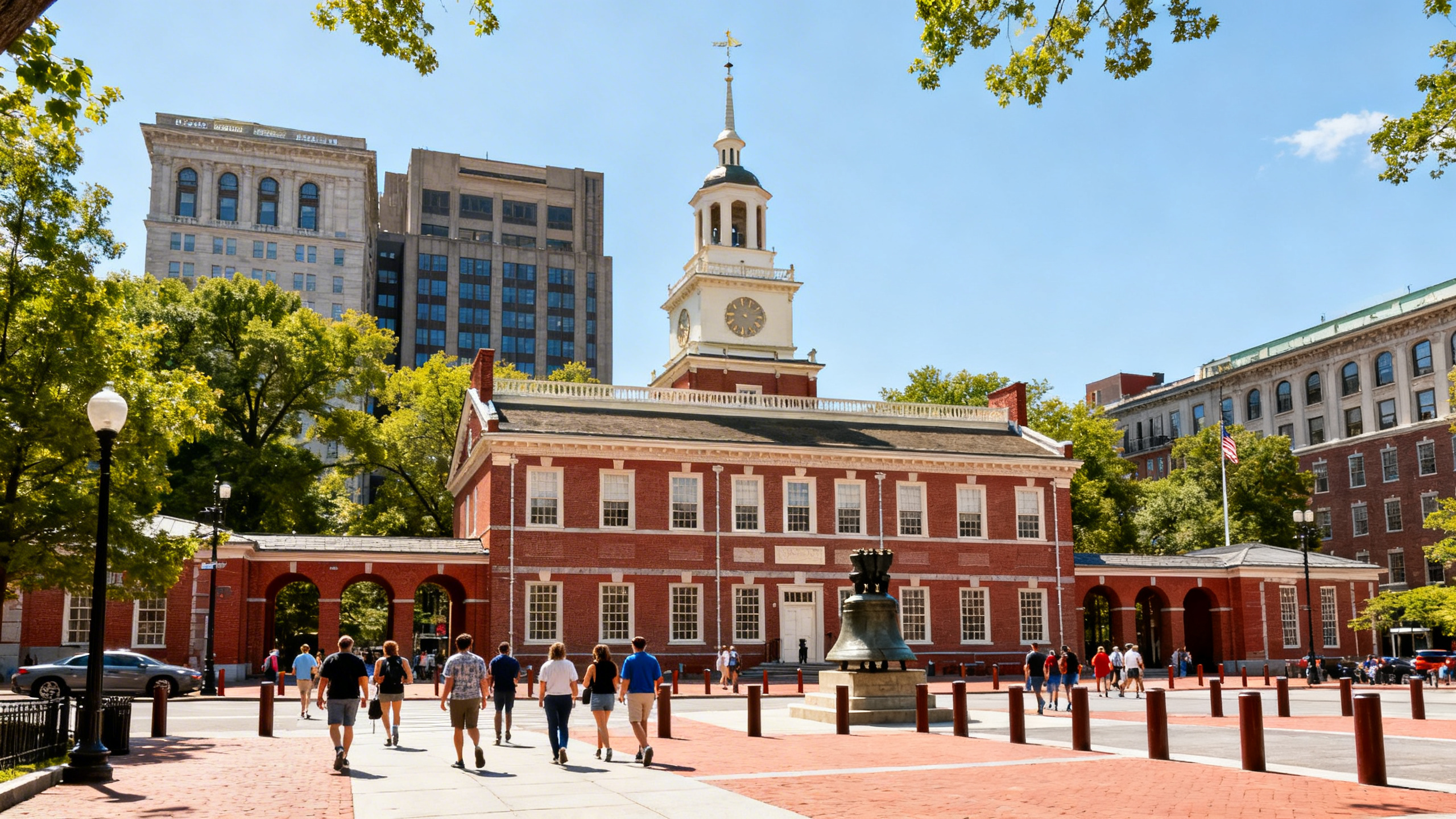
Home to the Liberty Bell and Independence Hall where the Declaration of Independence was signed, this park is a must for history buffs. Free timed tickets to tour Independence Hall are essential and can be booked in advance. The area offers regularly scheduled battle reenactments and 250th anniversary special events in 2026. Combine visiting the park with sampling local food markets nearby for a full day experience.
9. Vicksburg National Military Park, Mississippi
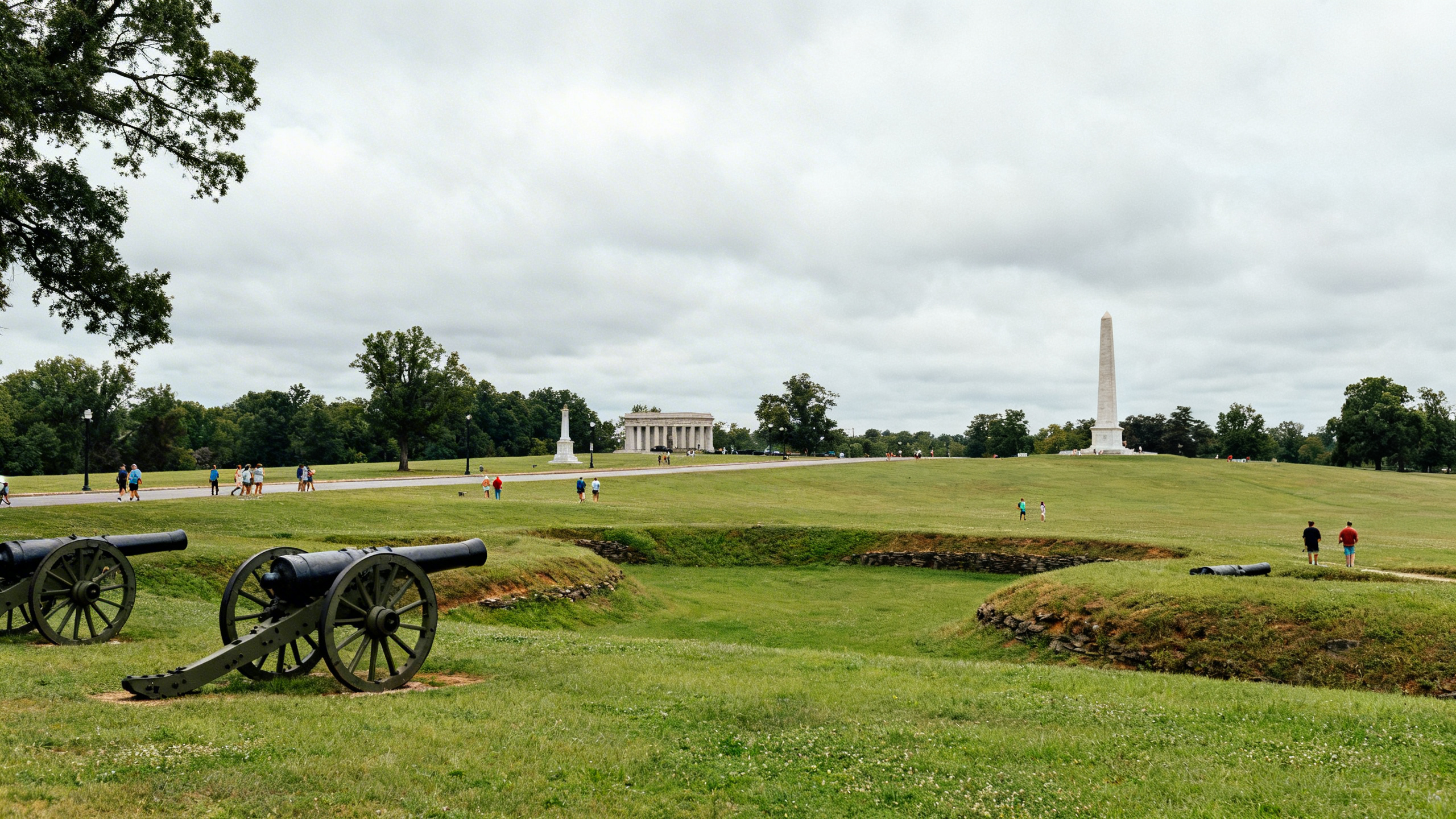
This extensive park preserves the site of a pivotal Civil War siege with well-preserved earthworks, monuments, and a museum. Visitors can drive or bike the battlefield loop for detailed views of the historic terrain. Guided tours often highlight tactical significance and soldier stories. Peak visiting months are spring and fall when the weather is mild. Entrance fees support park maintenance.
10. Crazy Horse Memorial, South Dakota
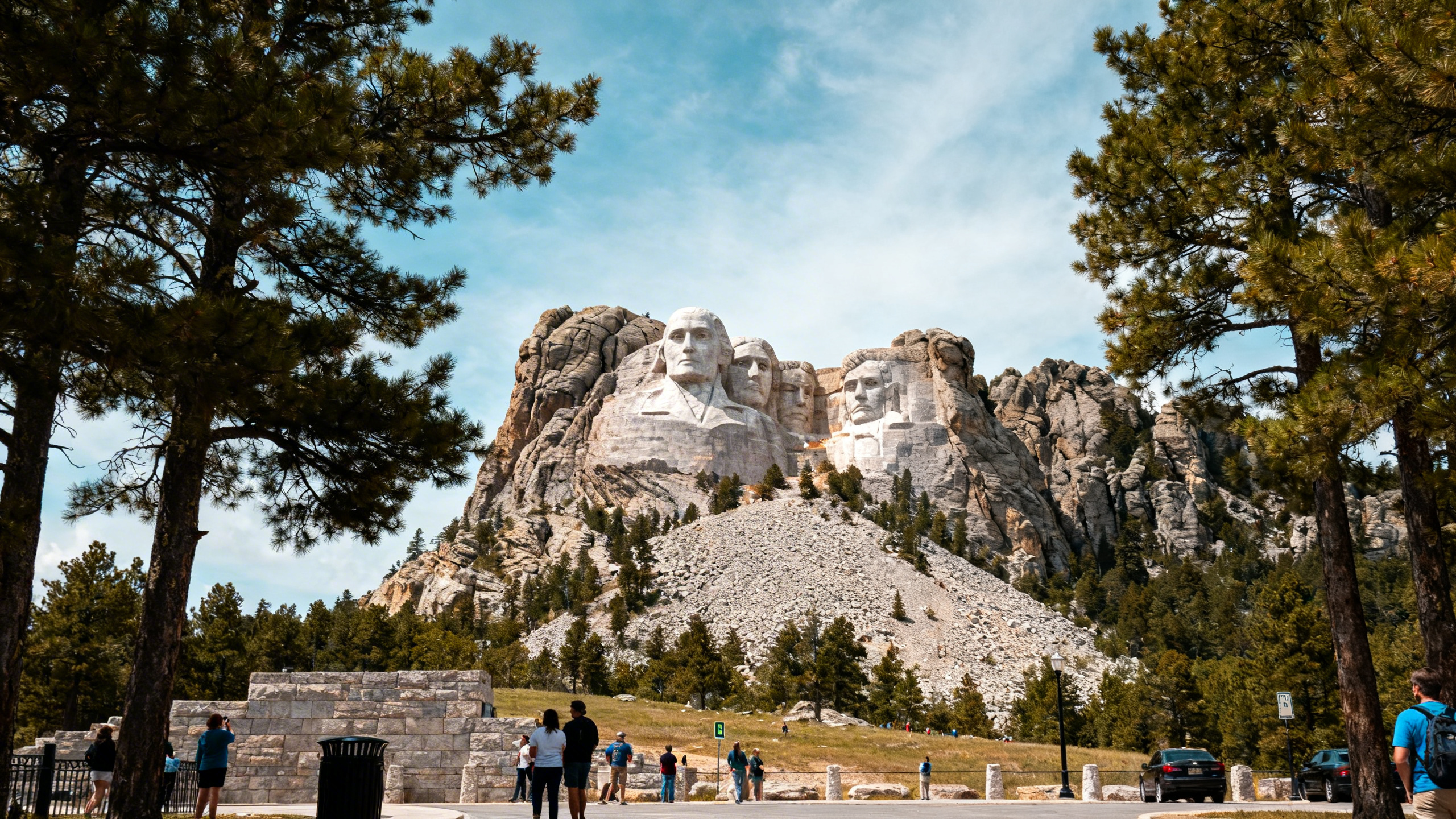
A monumental work-in-progress honoring Native American hero Crazy Horse it’s the world’s largest mountain carving. Visitors can see carving activity, tour the Indian Museum of North America, and enjoy cultural programs. The site emphasizes Native American heritage and art, making it a unique educational stop. Summer months feature live demonstrations and events supporting the ongoing project.
11. Mount St. Helens National Volcanic Monument, Washington
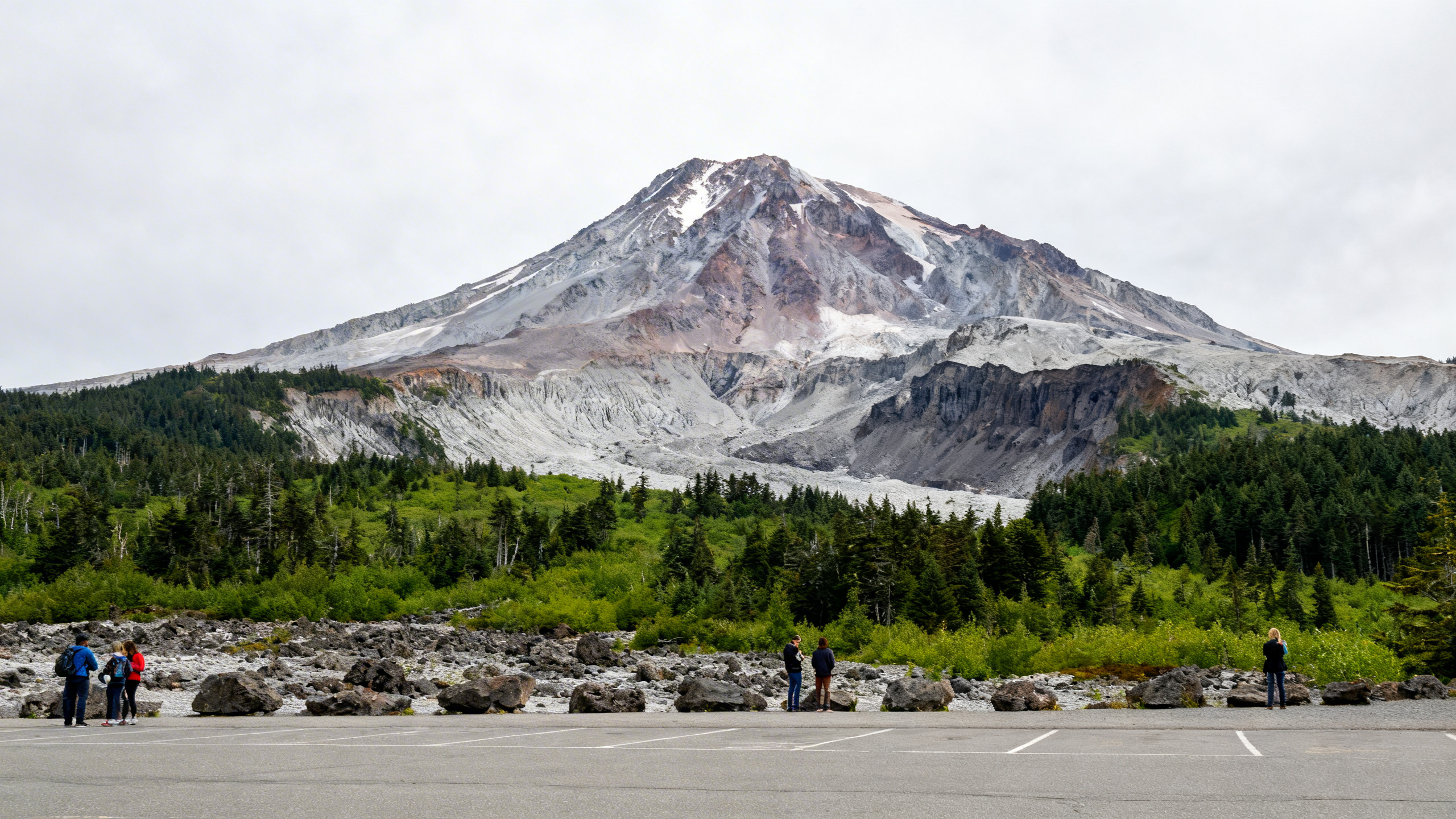
This monument highlights the site of the 1980 eruption and tells a dramatic story of geological change and ecosystem recovery. Visitor centers offer interactive geology exhibits and guided hikes to viewpoints. Spring through early fall is best for access and trail conditions. Rangers provide daily talks explaining volcanic history. It’s a striking site for nature and science enthusiasts alike.
12. San Juan National Historic Site, Puerto Rico

Protecting the old city of San Juan, this fort complex showcases Spanish colonial military architecture with stunning views over the sea. Walking tours reveal stories of battles and colonial life. 2026 celebrations of American history include cultural performances here. Early morning visits avoid heat and crowds in the Caribbean climate. Admission fees help preserve this World Heritage Site.
13. Fort Sumter National Monument, South Carolina
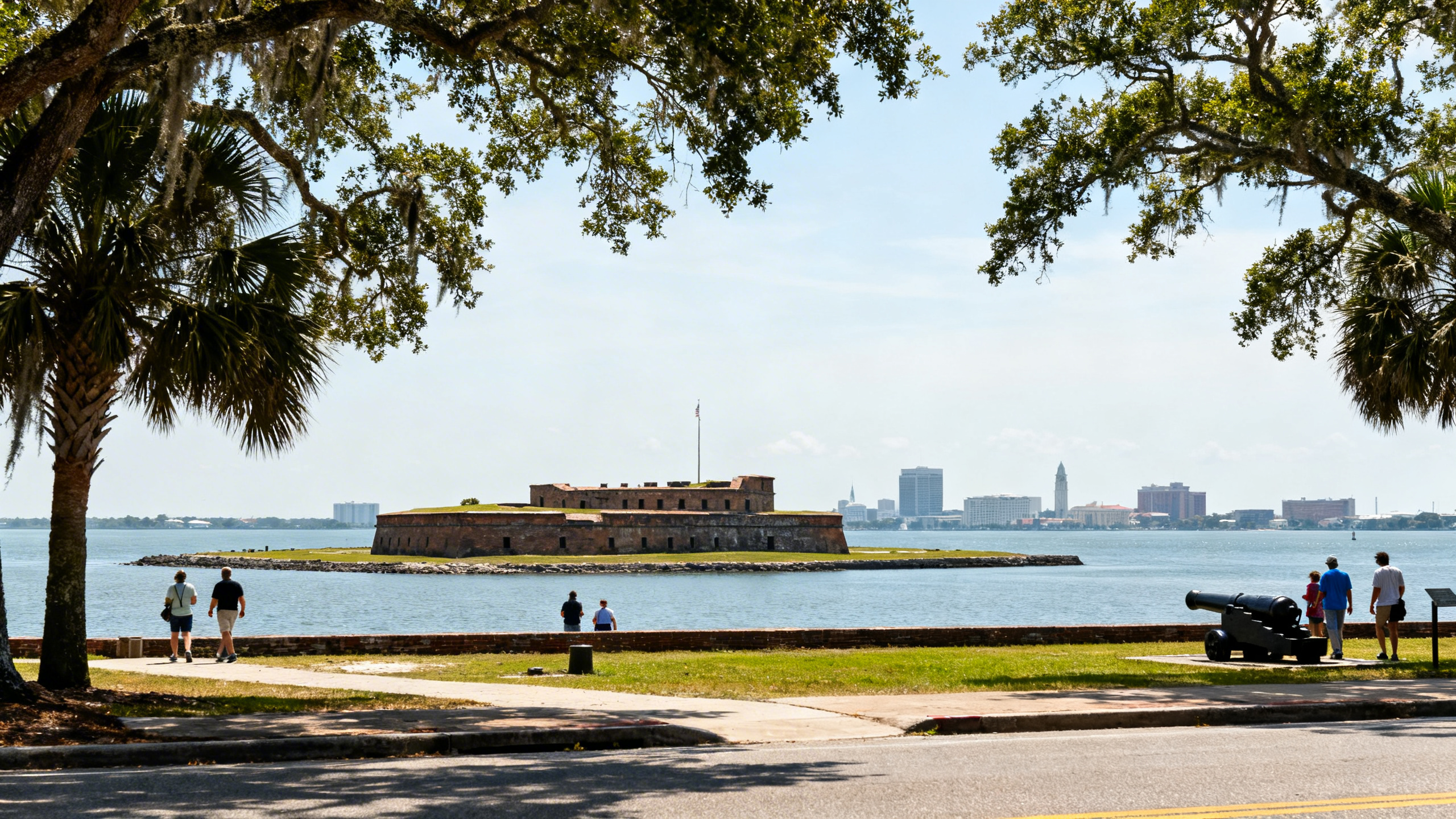
Known as the site where the Civil War began, this coastal fort is accessible only by ferry from Charleston. Ranger-led tours explain the fort’s strategic importance and wartime damage. Tickets include round-trip boat fare, which is recommended to reserve early. Visiting from spring through fall provides smoother sailing conditions and full access to exhibits.
14. Jefferson National Expansion Memorial (Gateway Arch), Missouri
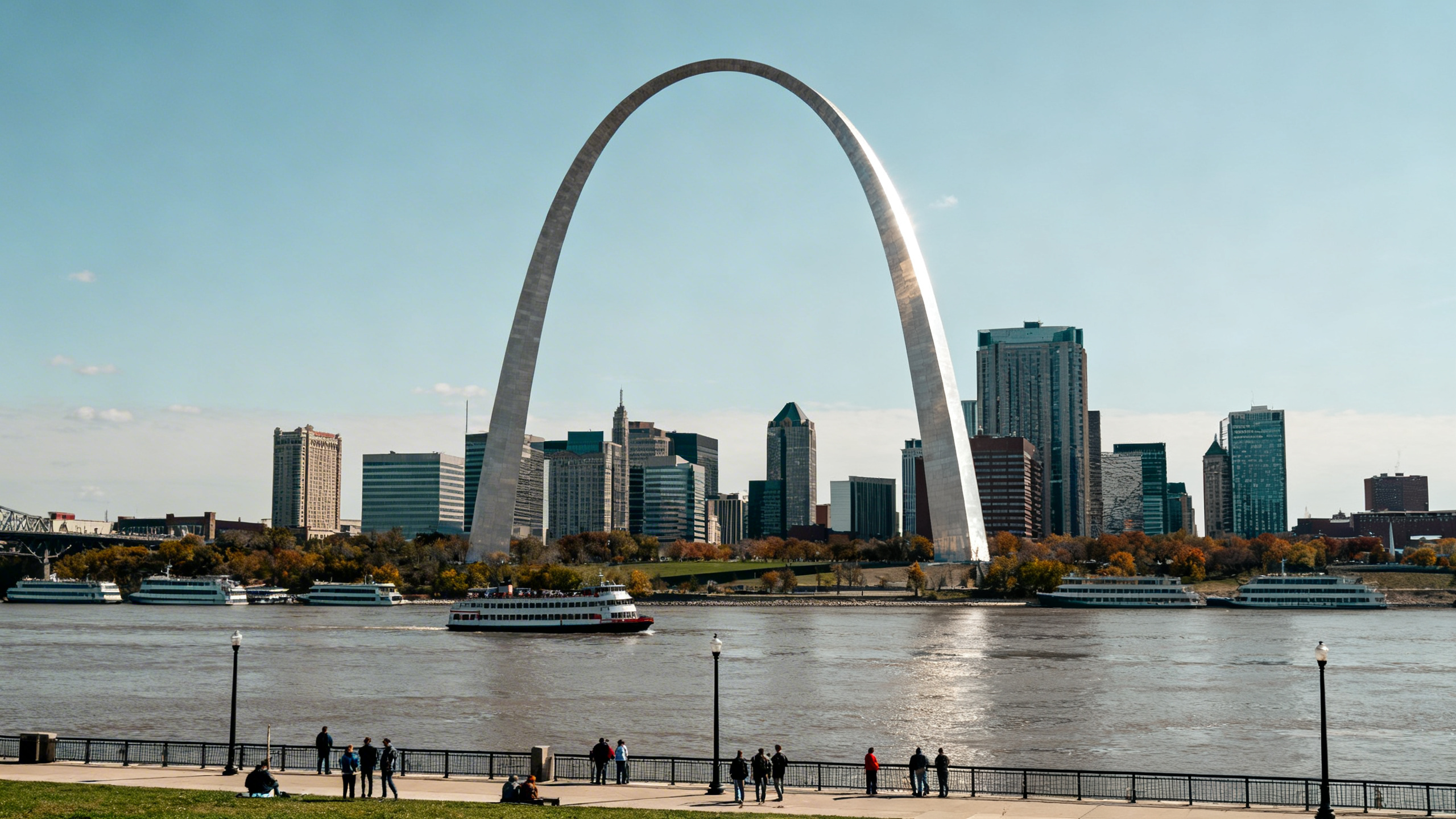
The Gateway Arch symbolizes westward expansion and offers a unique tram ride to its observation deck with views of St. Louis and the Mississippi River. The adjacent museum details American migration stories. Timed tickets are required for the tram and should be booked ahead, especially during busy summer and anniversary celebrations in 2026. The park offers picnic areas and riverfront trails perfect for relaxing after your visit.
15. Mesa Verde National Park, Colorado
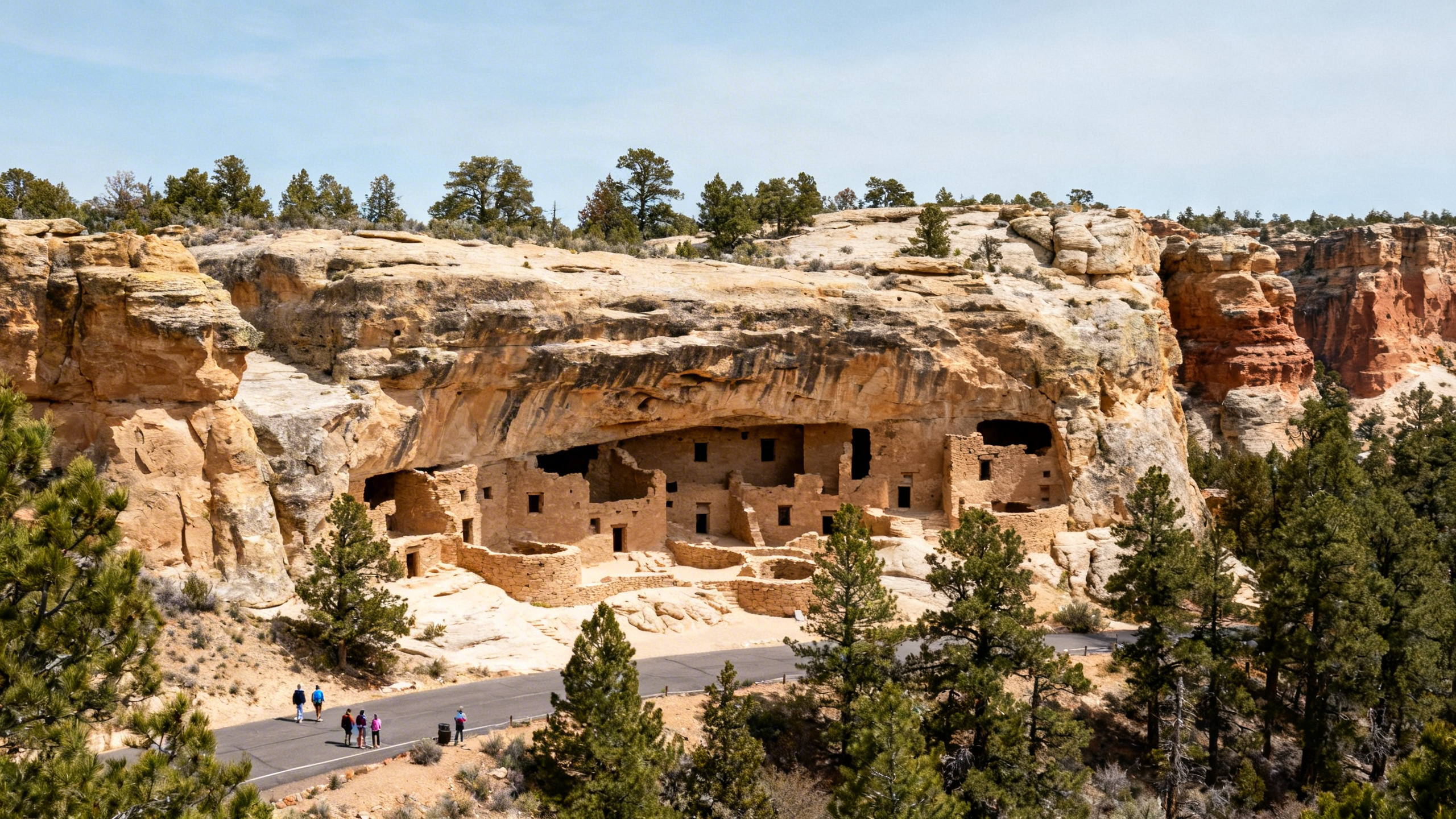
Mesa Verde preserves ancient Ancestral Puebloan cliff dwellings with guided tours revealing fascinating archaeological history. The park offers hiking trails with stunning canyon views, best in late spring to early fall. Reservations are advised for popular cliff dwelling tours. Evening ranger programs introduce cultural stories. The visitor center has educational exhibits and a gift shop featuring Native American art.
16. Mount Vernon Place, Baltimore, Maryland
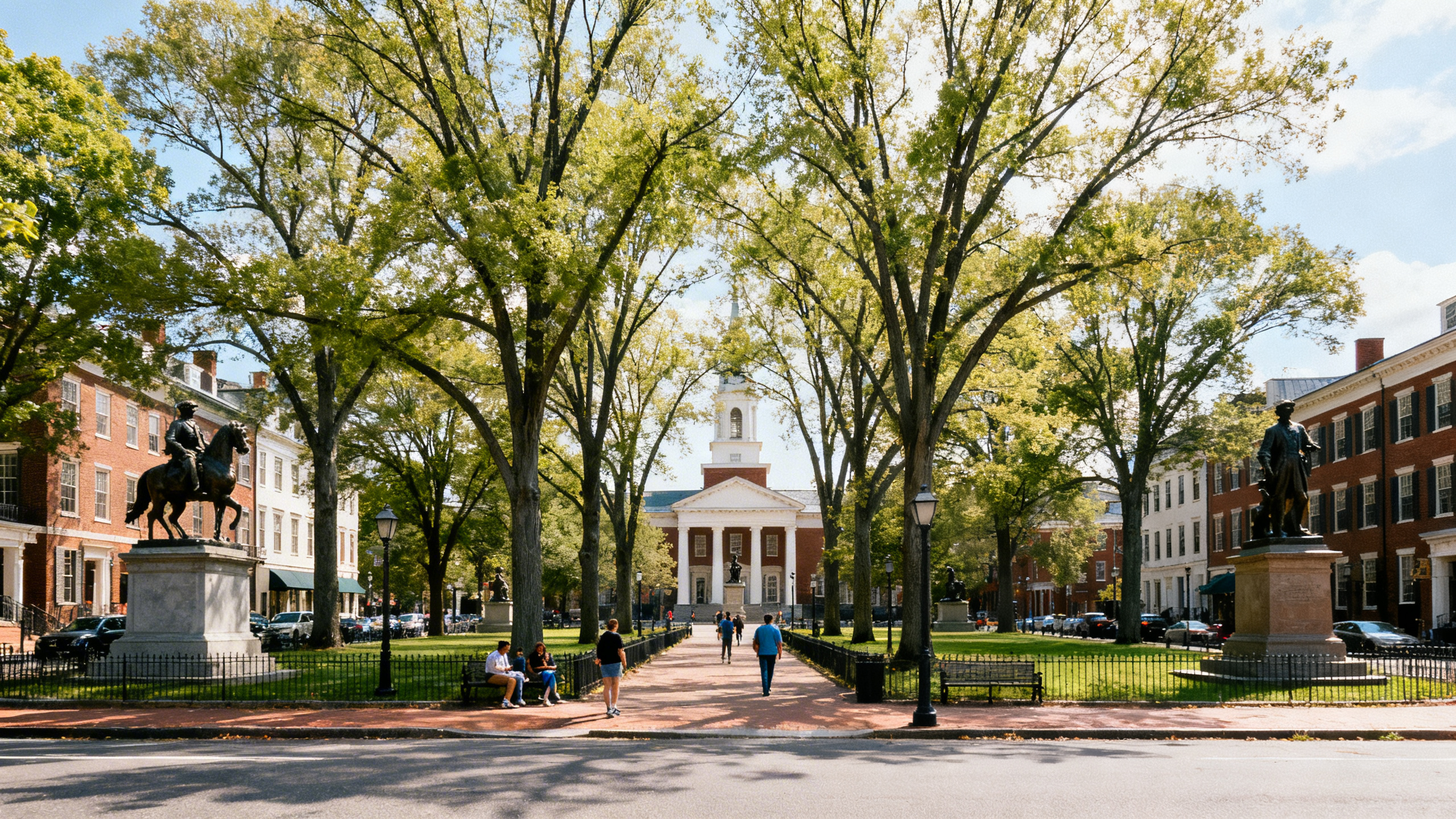
A historic district known for its monuments including the Washington Monument (distinct from DC’s), this area offers classical architecture and cultural institutions. Strolling here grants insight into Baltimore’s 19th-century civic pride and urban design. Local guided walking tours often include the nearby Walters Art Museum and Peabody Library. Visiting in spring or fall enhances the experience with pleasant weather.
17. César E. Chávez National Monument, California
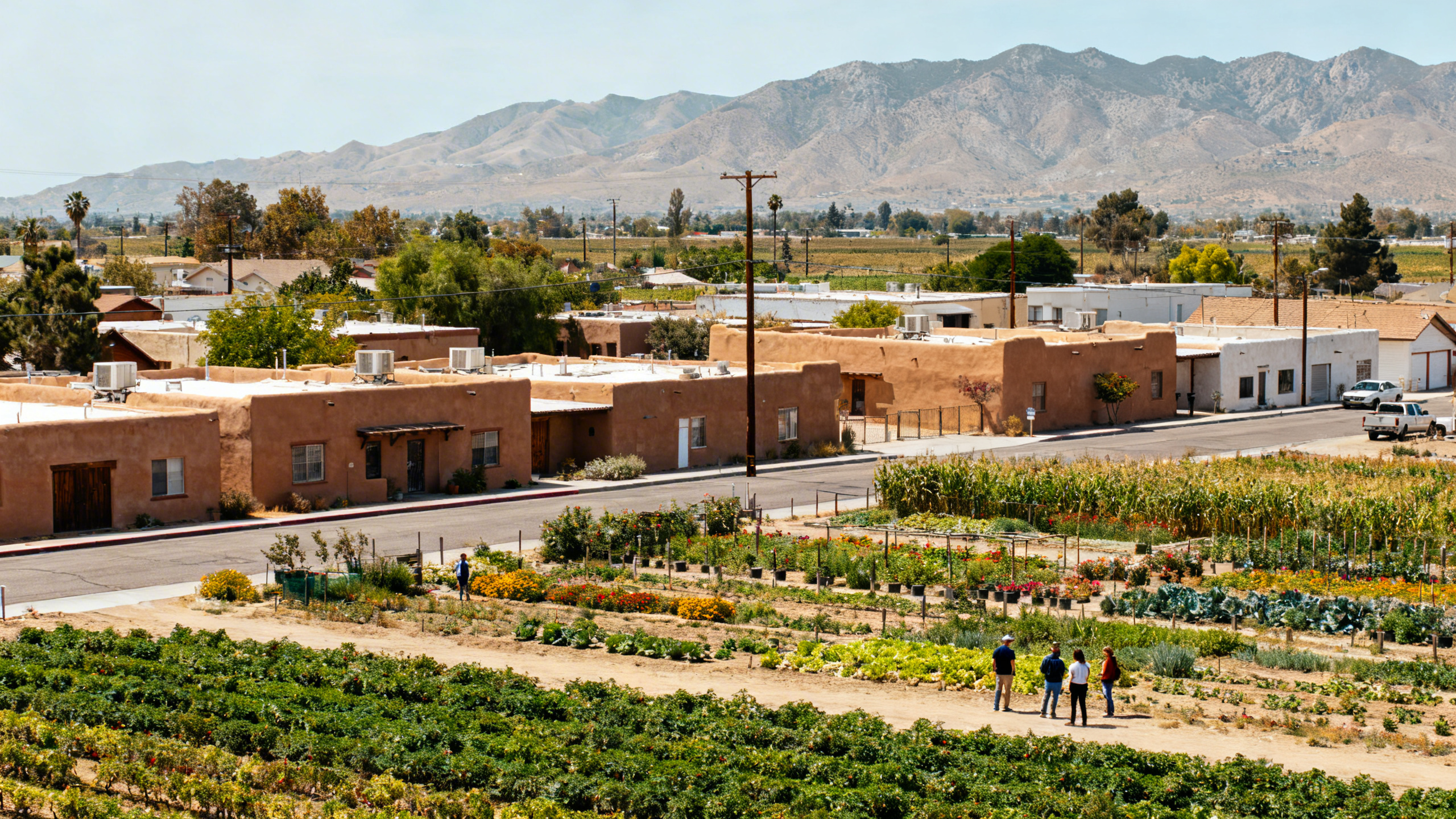
Dedicated to the labor leader and civil rights activist, this site includes his childhood home and delves into farmworkers' struggle for justice. The monument offers educational tours and preserves the legacy of Latino history in America. California’s Central Valley climate means fall and spring are the most comfortable months to visit. Entry is free, and guided programming is available by appointment.
18. Saratoga National Historical Park, New York
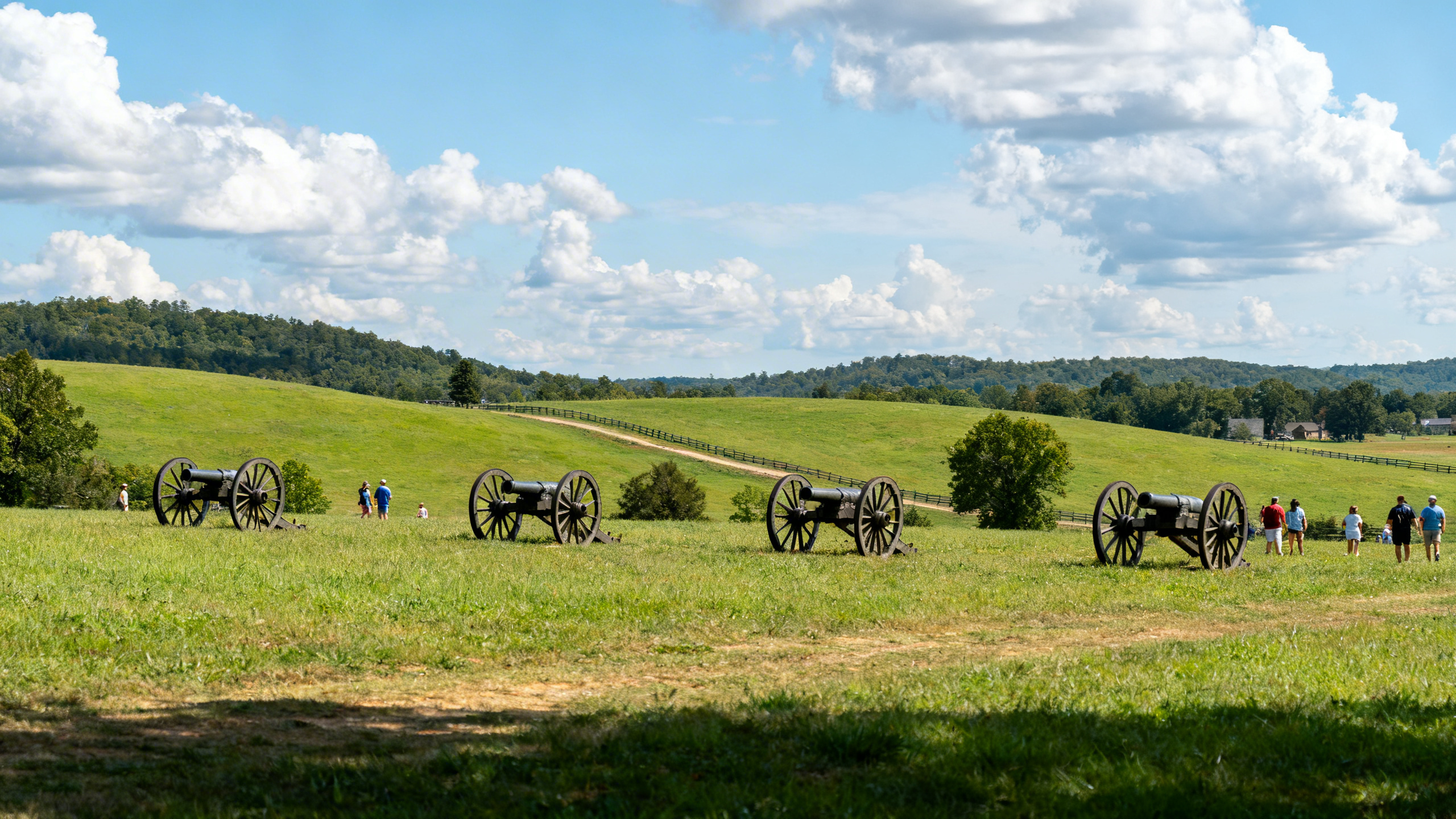
This park commemorates the turning point of the American Revolution with preserved battlefields and monuments. Visitors can use self-guided auto tours or join ranger-led walks during the peak visitation season from late spring to early fall. Nearby museums offer additional context. Fall foliage adds a scenic layer to the historic ambiance in October.
19. Harriet Tubman Underground Railroad National Historical Park, Maryland
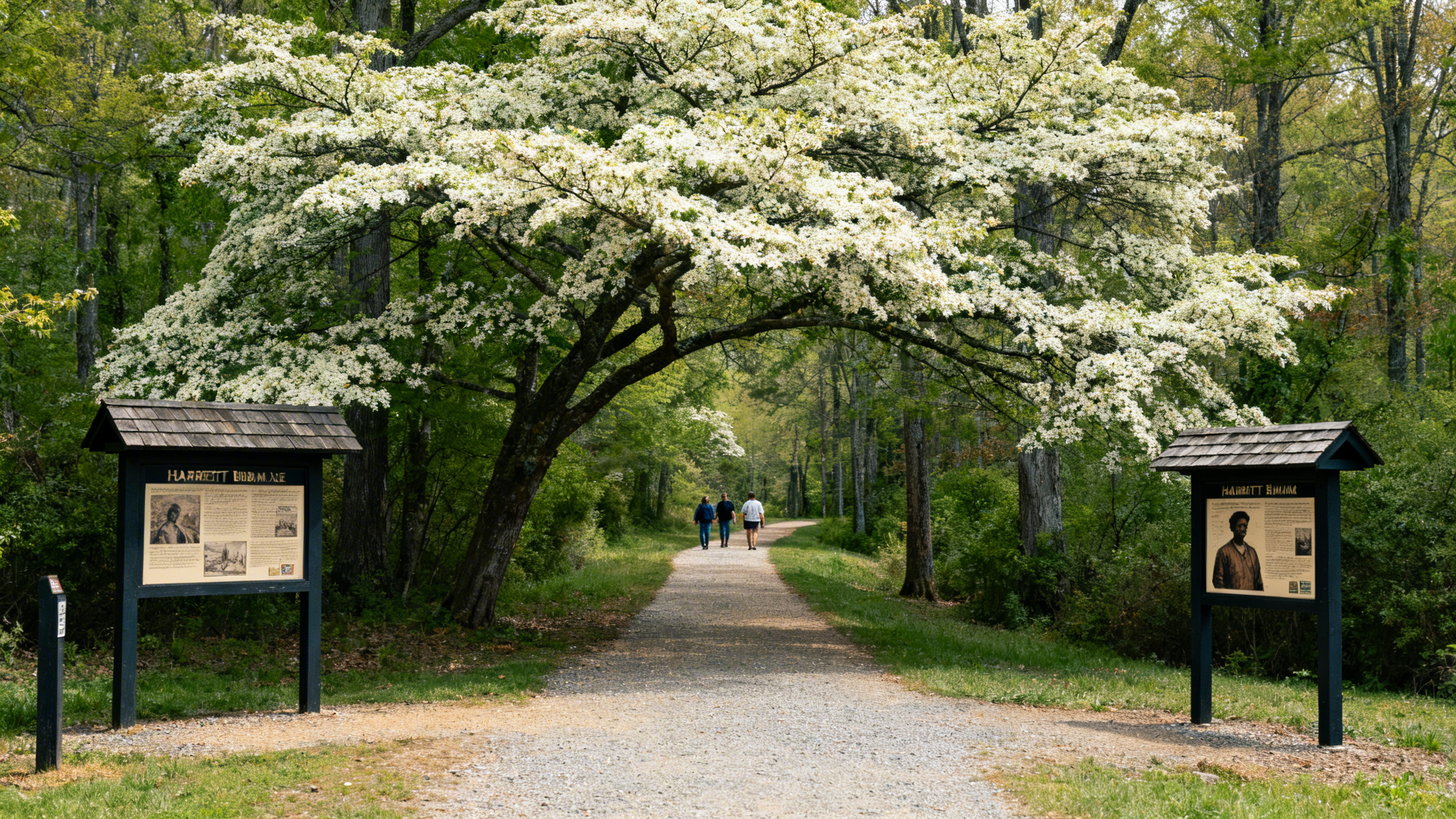
This park honors Harriet Tubman’s courageous role in leading enslaved people to freedom. Interpretive trails retrace parts of the Underground Railroad network. The visitor center explains Tubman’s life and legacy through interactive displays. Spring and fall are ideal for exploring outdoor trails. Nearby towns offer additional cultural history experiences.
20. Mammoth Cave National Park, Kentucky
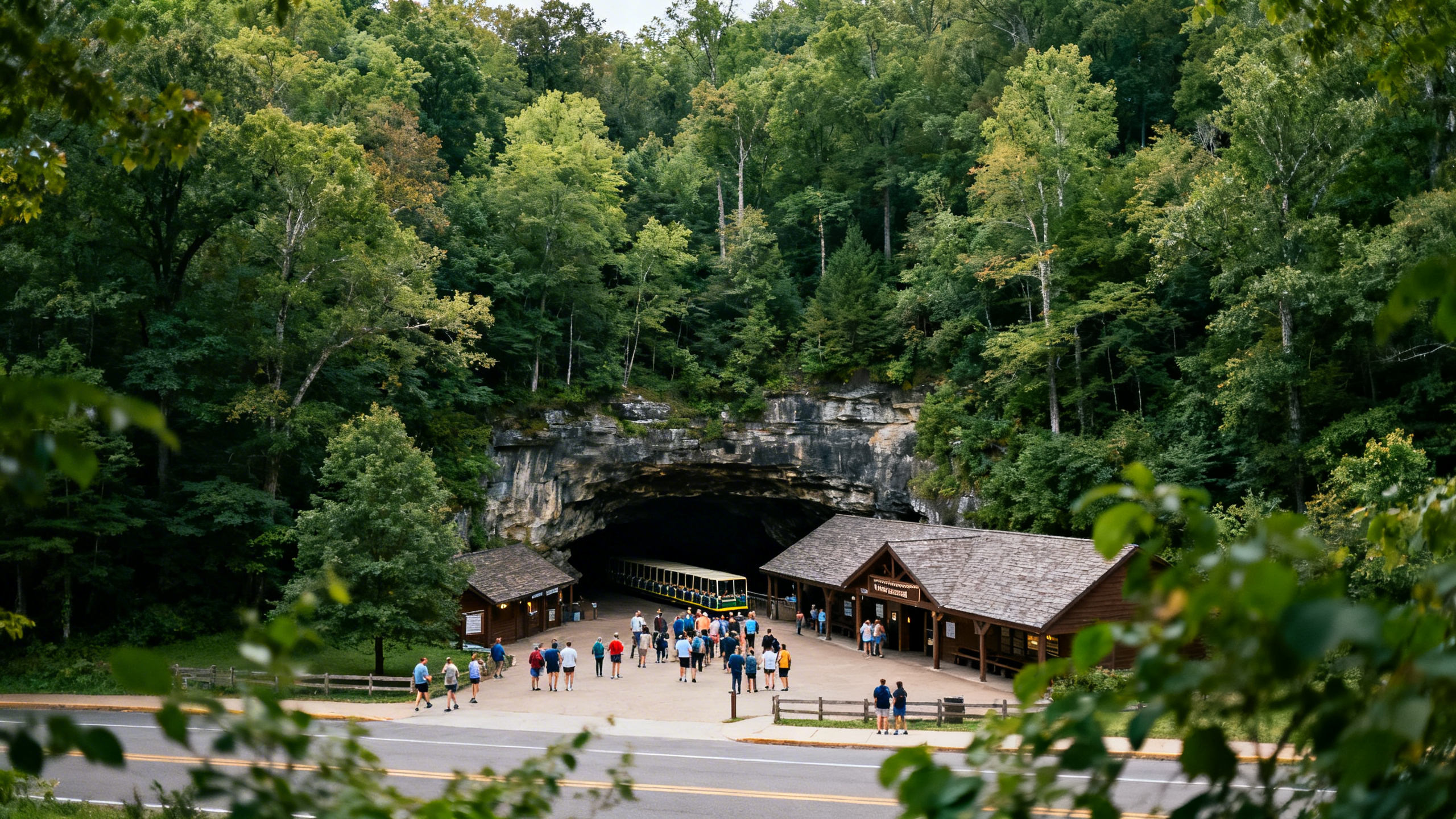
Home to the world's longest known cave system, Mammoth Cave offers multiple tour options ranging from easy walks to challenging spelunking. Reservations are strongly recommended year-round, as tours fill quickly. Park rangers provide engaging history and geology talks. Surface hiking trails and river activities enhance the visit when not underground. Cooler months offer fewer bugs and less crowding.
21. Fort McHenry National Monument and Historic Shrine, Maryland
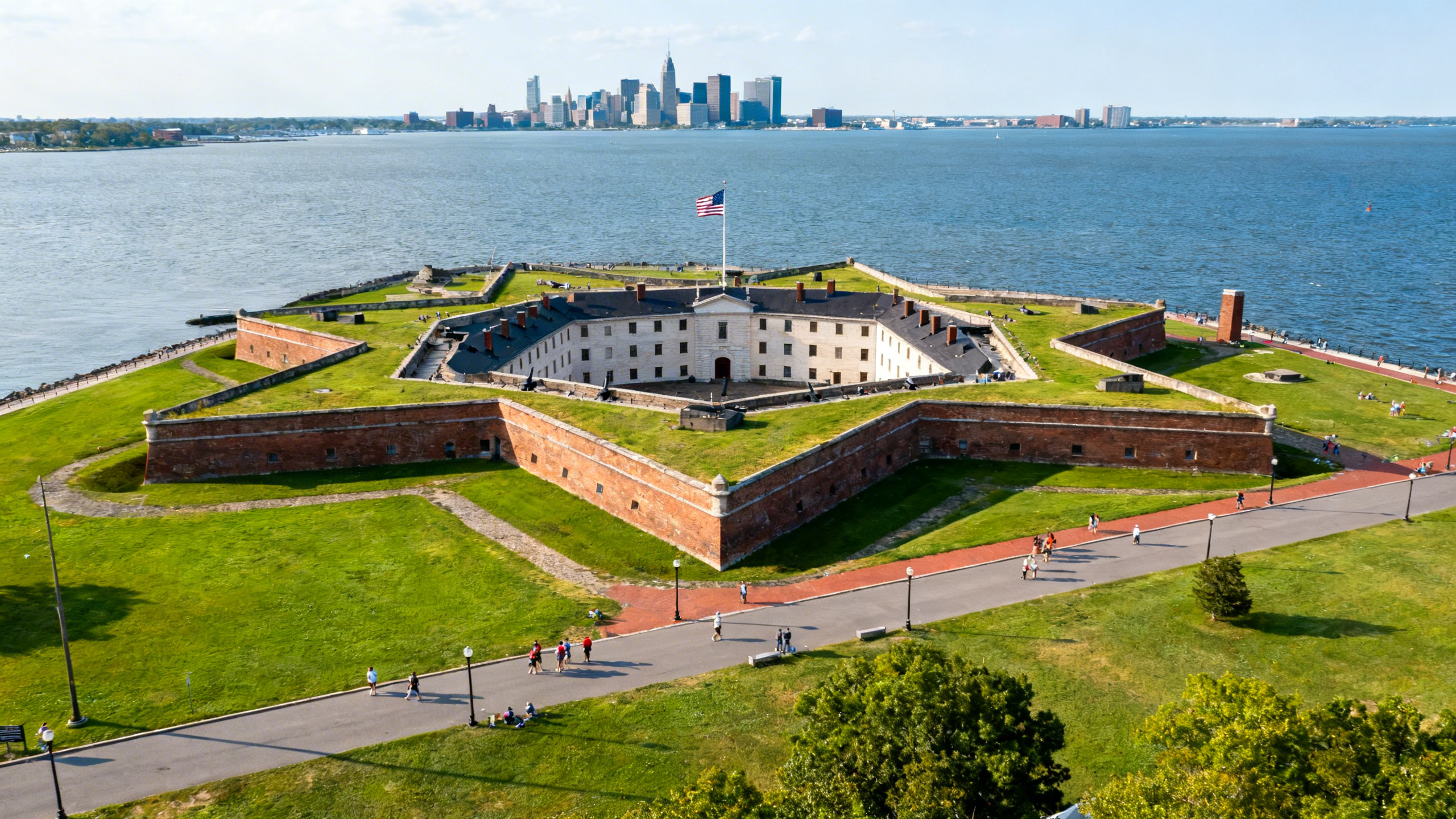
Famous as the defense site during the War of 1812 that inspired the Star-Spangled Banner, this fort presents living history programs and museum exhibits. The waterfront setting in Baltimore provides great photo opportunities. Events in 2026 celebrate the anthem’s history with special tours. Weekday visits tend to be quieter and more relaxed. Admission includes access to a movie detailing the battle.
In 2026, these American monuments offer an exceptional way to connect with the nation’s history, culture, and natural beauty. Whether you’re interested in towering sculptures, battlefield stories, or unique geological sites, planning ahead with tickets and timing can make your visits smooth and memorable.
This article was written by Hunter and edited with AI assistance. The Daily Dive travel desk uses AI-assisted visuals and content that were reviewed and approved by our editors prior to publication.
© 2026 Daily Dive