
One of the easiest ways to cut costs and reduce plastic on a trip is to drink from the tap. In these countries, municipal treatment standards are high, routine testing is the norm, and refill culture is embraced from airports to neighborhood cafes. You will find public fountains, bottle filling stations, and restaurant staff who happily top you up. Even so, older building plumbing can sometimes affect taste, so a quick first sip is smart before you commit. When heading into remote areas, follow posted notices and use common sense if there has been recent flooding or infrastructure work. Pack a reusable bottle and enjoy the peace of mind that comes with world class tap water.
Iceland

Iceland’s tap water flows from glacial and spring sources and often reaches the faucet with minimal treatment. In Reykjavík, cold taps taste like bottled spring water and locals will tell you it is better than anything you can buy. Restaurants routinely serve it for free and hikers refill at trailhead spigots before setting out. You might notice a faint sulfur scent in some hot water lines due to geothermal systems, so pour your drinking water from the cold tap. Public pools and sports centers keep modern bottle fillers near the entrance. Even at the airport, you will find convenient stations to top off before flights.
Norway

Norwegian tap water is famously clean thanks to protected surface reservoirs and strict monitoring. Oslo’s system draws from forested catchments, and city fountains are clearly labeled for refills. Cafes provide water jugs on counters and nobody blinks if you ask for a top up. In mountain towns, taps can run especially cold and crisp, which makes refilling a small ritual before hikes. Trains often have potable water points in station halls to keep travelers supplied. If you are venturing to very remote cabins, check local notices during spring melt when turbidity can briefly rise.
Sweden

Sweden’s municipalities maintain high standards and publish regular water quality updates. Stockholm and Gothenburg both offer free refilling taps in popular parks and waterfront promenades. Hotel breakfast rooms usually set out chilled carafes with no surcharge, which helps you start the day hydrated. In winter, the water can taste exceptionally fresh due to lower temperatures across the network. If you stay in older buildings, let taps run briefly to clear any standing water for the best flavor. Ferries in the archipelago often post potable water signs near restrooms for quick top offs.
Finland

Finland’s tap water ranks among the purest in Europe, with minimal chlorine taste and consistent mineral balance. Helsinki’s public buildings and libraries usually offer bottle filling points you can use without asking. National park visitor centers encourage refilling before heading onto trails, and many shelters list nearby springs that are capped and safe. Saunas frequently keep jugs of tap water on benches, a small reminder of local trust in the system. Trains and long distance coaches stop at stations where restrooms have clearly marked potable taps. In lake country, respect posted signs and avoid drawing directly from open water unless explicitly treated.
Denmark

Copenhagen’s tap water is drawn primarily from protected groundwater and is safe to drink across the city. Restaurants will bring a pitcher if you request tap water and it is common to see diners share one at lunch. Refill posts are placed along harbor baths and cycle routes, which suits the city’s biking culture. The taste is slightly hard but very clean, and most visitors adapt in a day. Many offices and co working spaces post refill etiquette near sinks, and guests are welcome to use them. For remote coastal cottages, check any welcome notes for details on private wells after heavy rains.
Germany

Germany maintains robust treatment standards and transparent reporting across states. In Berlin and Munich you can safely drink from the tap, and tap water carafes are increasingly common in casual restaurants. Train stations and airports have labeled filling points, though they can be tucked near restrooms rather than on open concourses. Supermarkets sell inexpensive reusable bottles if you arrive empty handed. Rural guesthouses often post a note if water comes from a private well, but these are typically inspected and safe. If taste is a concern in older buildings, a brief flush improves it quickly.
Austria

Austrian tap water often comes straight from alpine sources with minimal processing. Vienna’s long distance mountain pipelines are a point of pride and the city promotes drinking fountains throughout central neighborhoods. Cafes and konditorei will refill bottles if you ask politely and return the cap dry. At ski resorts and summer trailheads, spigots are clearly marked and frequently used by locals. Many hotels leave a note in rooms encouraging guests to drink from the tap instead of buying plastic. In remote huts, potability is usually indicated, and staff can advise if boiling is needed after storms.
Switzerland

Switzerland’s city fountains are not just pretty, they are usually safe to drink unless marked otherwise. Zürich and Bern publish interactive maps showing hundreds of potable spouts near parks and tram stops. Restaurants commonly serve tap water upon request, sometimes with a small service fee that goes to charity or covers glassware. Mountain villages provide free indoor fillers near funiculars and cable cars, a thoughtful perk before a long walk. If you love a cold pour, Swiss taps rarely disappoint even in summer. Respect any red signs on fountains that indicate non potable water, particularly near farm hamlets.
Netherlands

Dutch tap water is soft, fresh, and reliably safe, with extensive testing across provinces. Amsterdam’s utilities encourage refilling, and you will find blue water drop symbols on street level fountains. Many coffee bars set a self service water station near the counter, a helpful habit during long walks between canals. Hotels and hostels often include pitcher filters purely for taste preferences, not for safety concerns. Trains and buses do not always have onboard taps, but stations keep restrooms modern and well stocked for quick fills. In coastal towns, utility companies maintain high standards despite salty surroundings, which visitors notice in the clean taste.
United Kingdom

Across England, Scotland, Wales, and Northern Ireland, mains water is treated and safe to drink. London’s network is extensive and while the flavor can vary by neighborhood, it is consistently safe. The Refill initiative partners with cafes and shops that welcome bottle refills, and you will see window stickers indicating participation. Museums and rail stations now install dedicated taps near restrooms to reduce plastic use. In rural inns, staff will gladly offer a fresh jug if you prefer chilled water with meals. During rare local pipe works, temporary advisory signs are posted quickly, so it is easy to stay informed.
Ireland

Ireland’s tap water has a clean profile in major cities and an especially pleasant taste in many western counties. Dublin Airport and Heuston Station provide modern filling points so you can avoid buying single use bottles. Pubs are relaxed about pouring a glass of tap water alongside your meal, and servers keep pitchers moving during busy evenings. Coastal walks often start near public restrooms with potable taps, which makes it simple to refill before you set out. B and Bs are known for leaving carafes in rooms, and the water is straight from the mains. If you are staying on a private well, hosts will let you know if any recent testing suggests caution.
Japan

Japan’s municipal water is safe to drink nationwide, and signage in parks and stations often includes English. Tokyo and Osaka residents happily drink from the tap, and hotels stock glasses rather than bottled water by default. Convenience stores sell compact reusable bottles, and attendants refill if you ask during quieter hours. In hot months, public buildings offer coolers that draw from municipal lines and are safe for travelers. Regional differences in mineral content can affect taste a bit, but quality is consistently high. When visiting very old ryokan with private sources, just ask and staff will advise if a kettle boil is recommended.
Singapore

Singapore’s tap water meets rigorous standards and is safe to drink at hotels, hawker centers, and malls. Many food courts have free standing water stations where locals fill cups between dishes. Changi Airport posts clear potable signs above sinks and bottle fillers, which helps you start or end trips without extra purchases. The country blends imported water, desalination, and reclaimed NEWater, all monitored continuously. Restaurants are accustomed to tap water requests and will bring glasses unprompted once you sit. Outdoor parks keep modern fountains near restrooms, a thoughtful touch in the tropical heat.
Canada

Canada’s cities deliver excellent tap water, and refill culture is strong in places like Vancouver, Toronto, and Montréal. Airports and transit hubs have bottle filling stations with counters that show plastic bottles saved. Parks include seasonal fountains and many libraries offer indoor taps if winter closures affect outdoor fixtures. In national parks and remote areas, follow posted boil notices after storms or during seasonal maintenance. Restaurants expect you to ask for tap water and will keep glasses full without upselling. If you are staying at a lakeside cabin with a private intake, hosts typically provide clear guidance on filtration and boiling.
New Zealand

New Zealand’s urban tap water is safe and tastes clean, with minimal chlorine notes compared to some countries. Auckland and Wellington post public fillers along waterfront promenades and popular running routes. Cafes and fish and chip shops will refill bottles while you wait for your order, a small kindness travelers appreciate. Trailheads often have potable taps at visitor centers, though hut systems in the backcountry may require boiling. Many holiday parks provide kitchen blocks with filtered mains water for guests. If you are road tripping, top up in towns rather than relying on campground taps at unserviced sites.
Australia

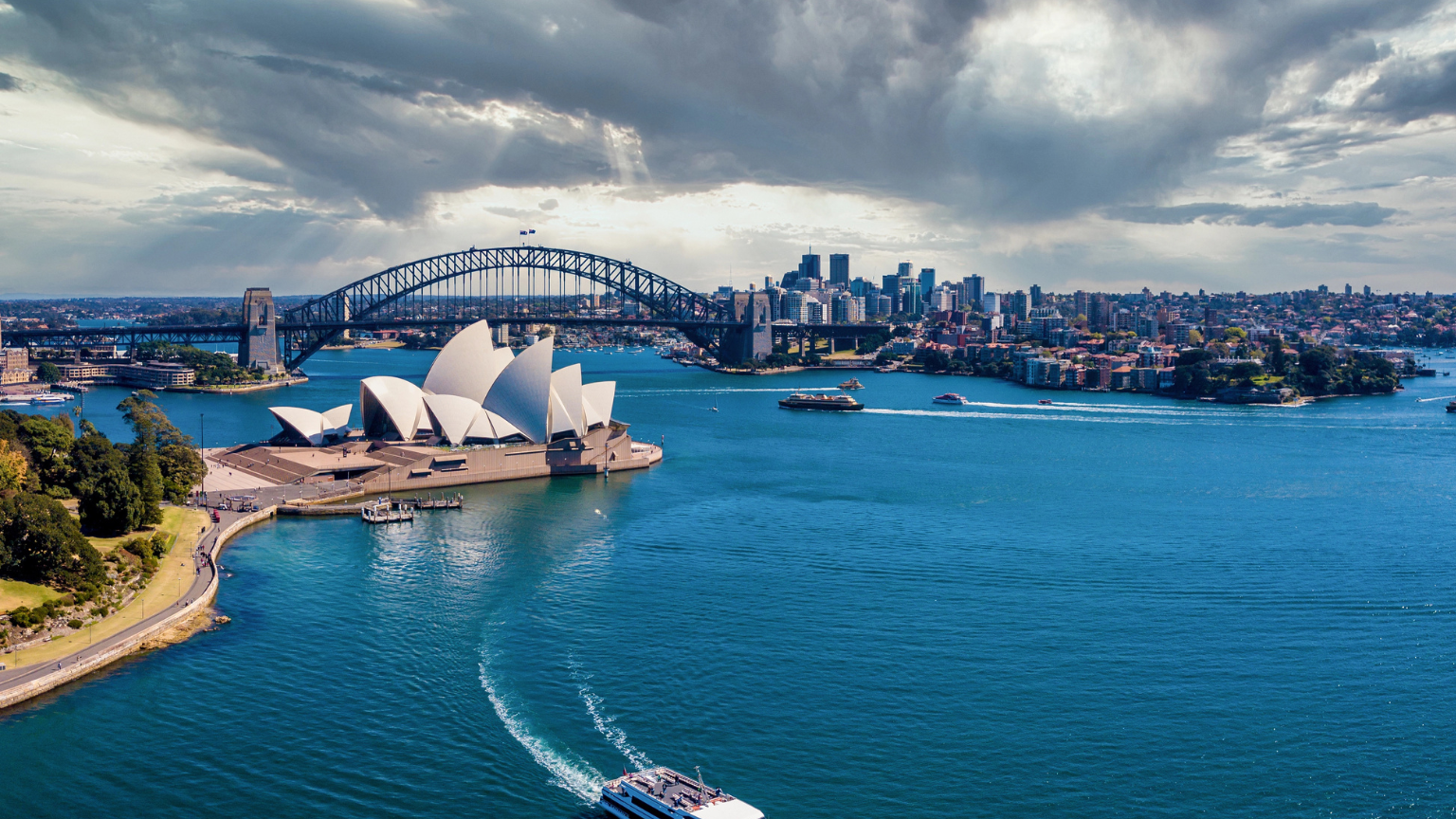
Australian cities maintain high standards and publish water quality dashboards that are easy to read. Sydney, Melbourne, and Brisbane airports have multiple refill points past security so you can carry on an empty bottle and fill later. Beach promenades often include bubblers and bottle fillers, a lifesaver on hot afternoons. Restaurants bring jugs of tap water automatically, and servers are quick with refills. In the Outback and very remote communities, carry extra water and follow local advice about potability. Citywide, trust the tap and skip the plastic without hesitation.
This article was written by Hunter and edited with AI Assistance